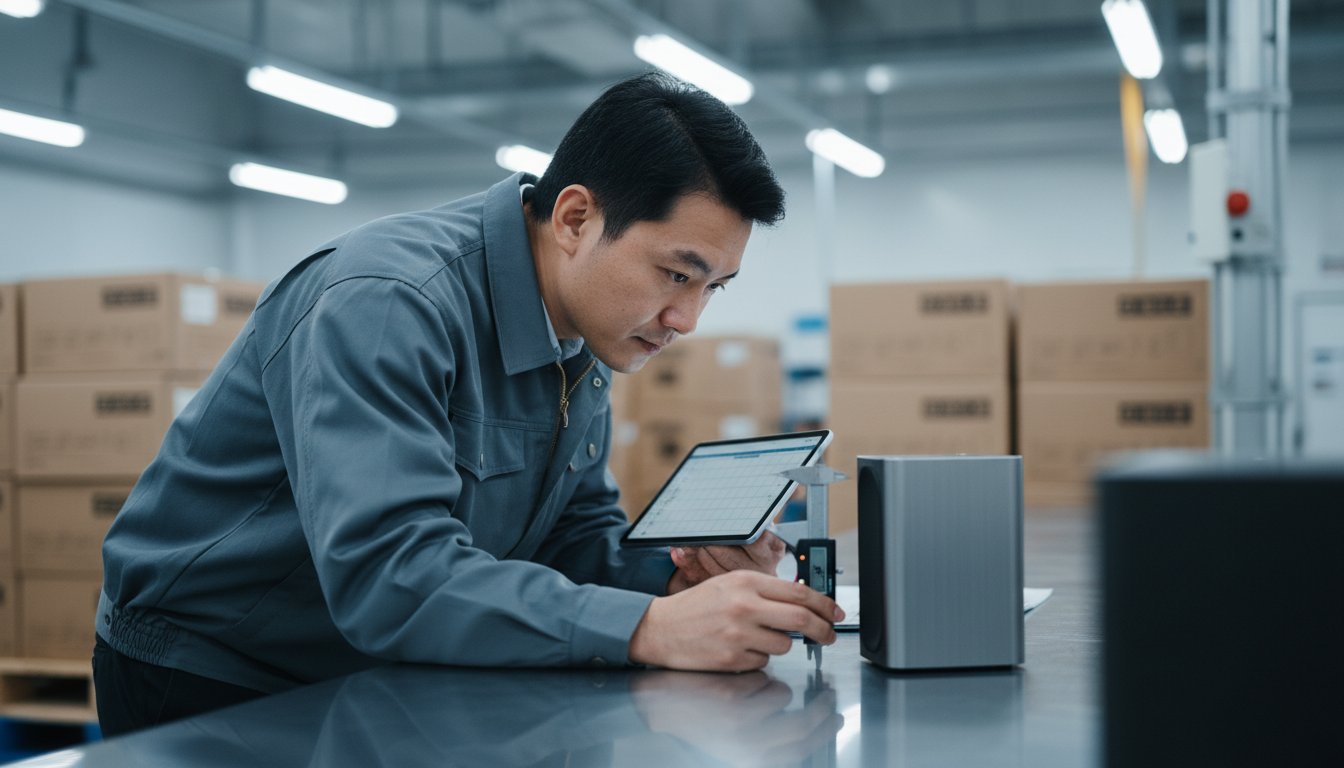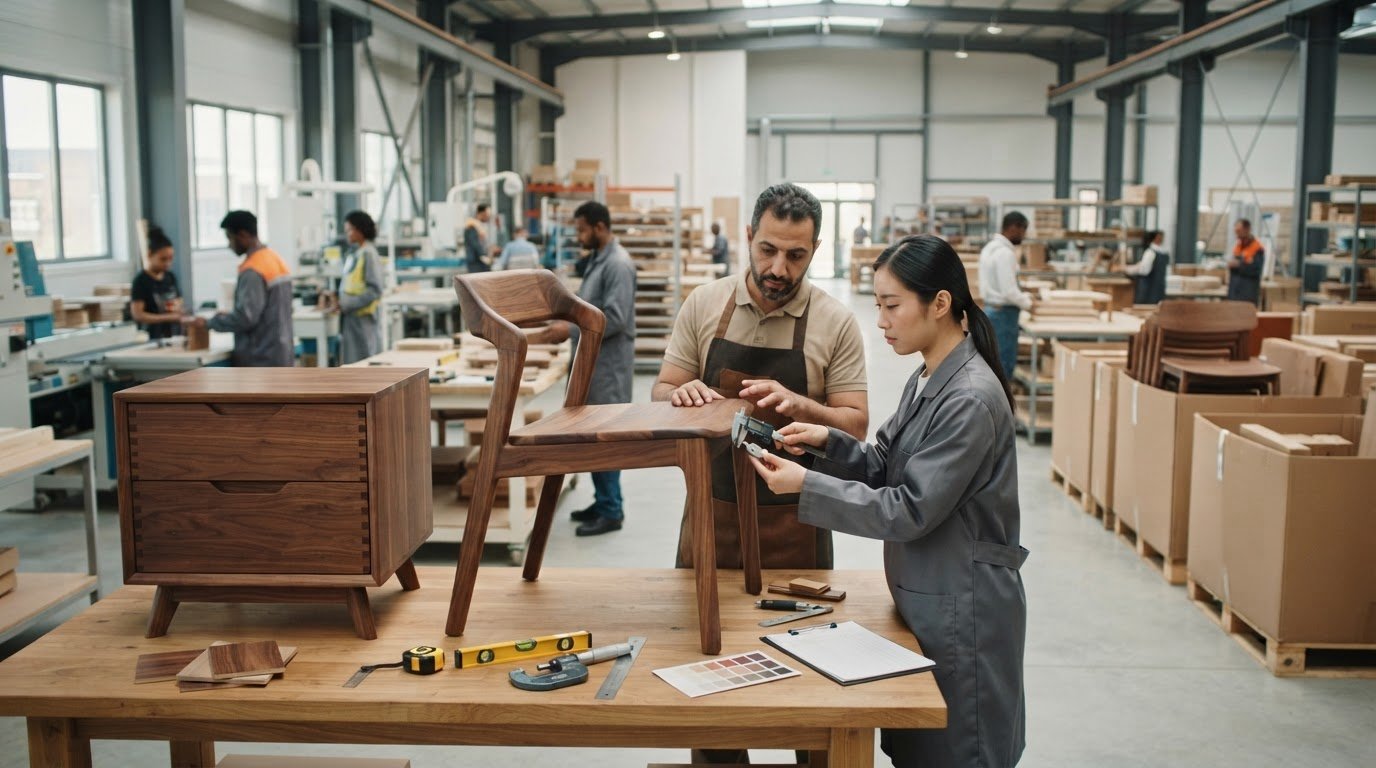
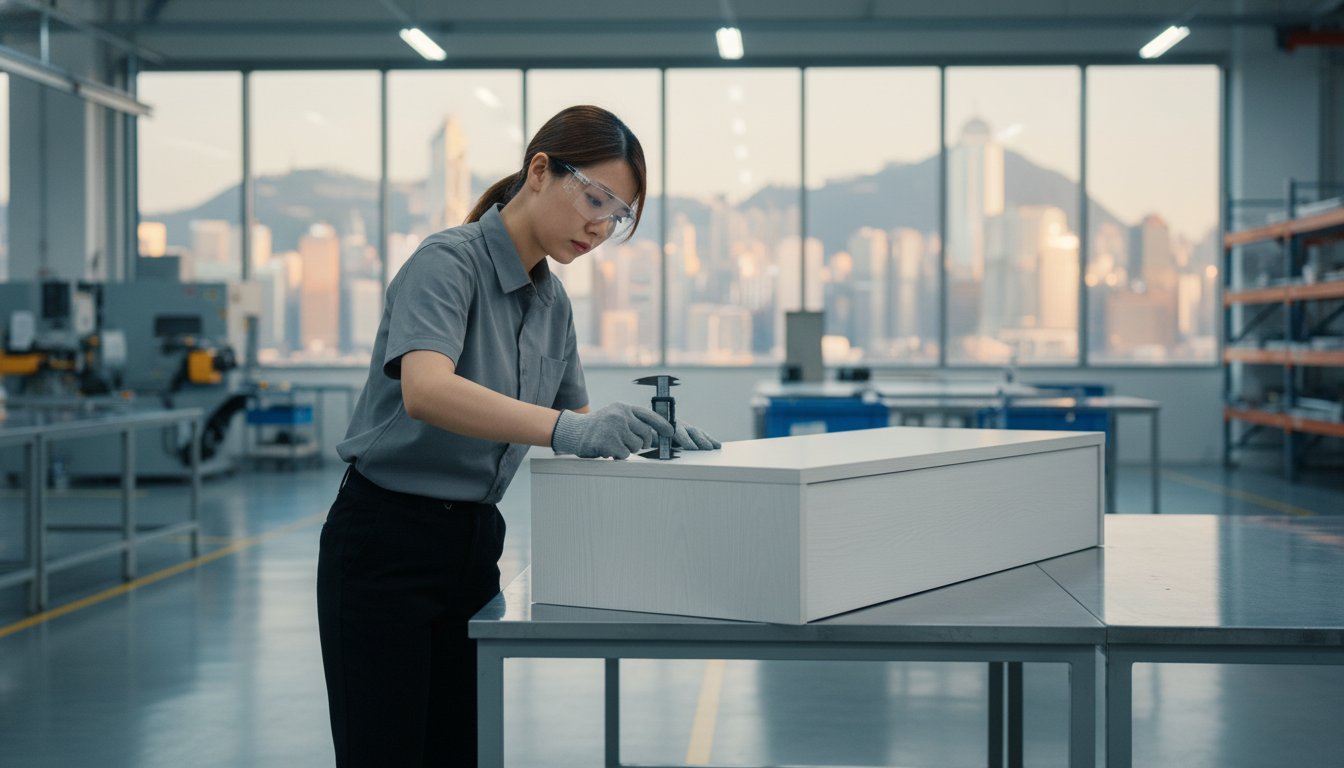
What happens to your profit margins when a container arrives at your warehouse and 22% of the shipment consists of unsellable defects? For importers dealing with furniture, tools, or home electronics, this scenario is a common reality that often leads to devastating product recalls and a tarnished brand reputation. You've likely felt the frustration of communication barriers with manufacturers in Asia, where your specific requirements seem to get lost in translation. Implementing a rigorous quality inspection for hard goods is not just an added step; it's the essential barrier between a successful launch and a financial catastrophe.
You shouldn't have to gamble with your capital or your customers' trust. Drawing on over 25 years of experience in Asian quality management, we know that one day of inspection can save months of trouble. You deserve total transparency before your goods ever leave the factory floor. In this guide, you'll learn how to secure your supply chain and prevent costly defects with professional on-site quality inspections for hard goods. We'll walk through the process of verifying safety standards and ensuring zero-defect shipments, giving you the confidence to release the final payment without hesitation.
Key Takeaways
- Avoid costly surprises by understanding why professional quality inspection for hard goods is the only reliable alternative to factory-led quality control.
- Identify the essential on-site evaluation steps, including workmanship and quantity checks, that stop defects before your shipment sails.
- Determine the most effective inspection timing for your project by comparing the strategic benefits of Pre-Shipment (PSI) and During Production (DuPro) services.
- Establish clear "pass or fail" benchmarks using Acceptable Quality Limits (AQL) to ensure your durable goods meet rigorous safety and assembly standards.
- Leverage the advantage of European management on the ground in Asia to receive transparent, detailed reporting within 24 hours of your inspection.
Table of Contents
-
What is Quality Inspection for Hard Goods and Why is it Critical?
-
The Anatomy of a Hard Goods Inspection: What Happens On-Site?
What is Quality Inspection for Hard Goods and Why is it Critical?
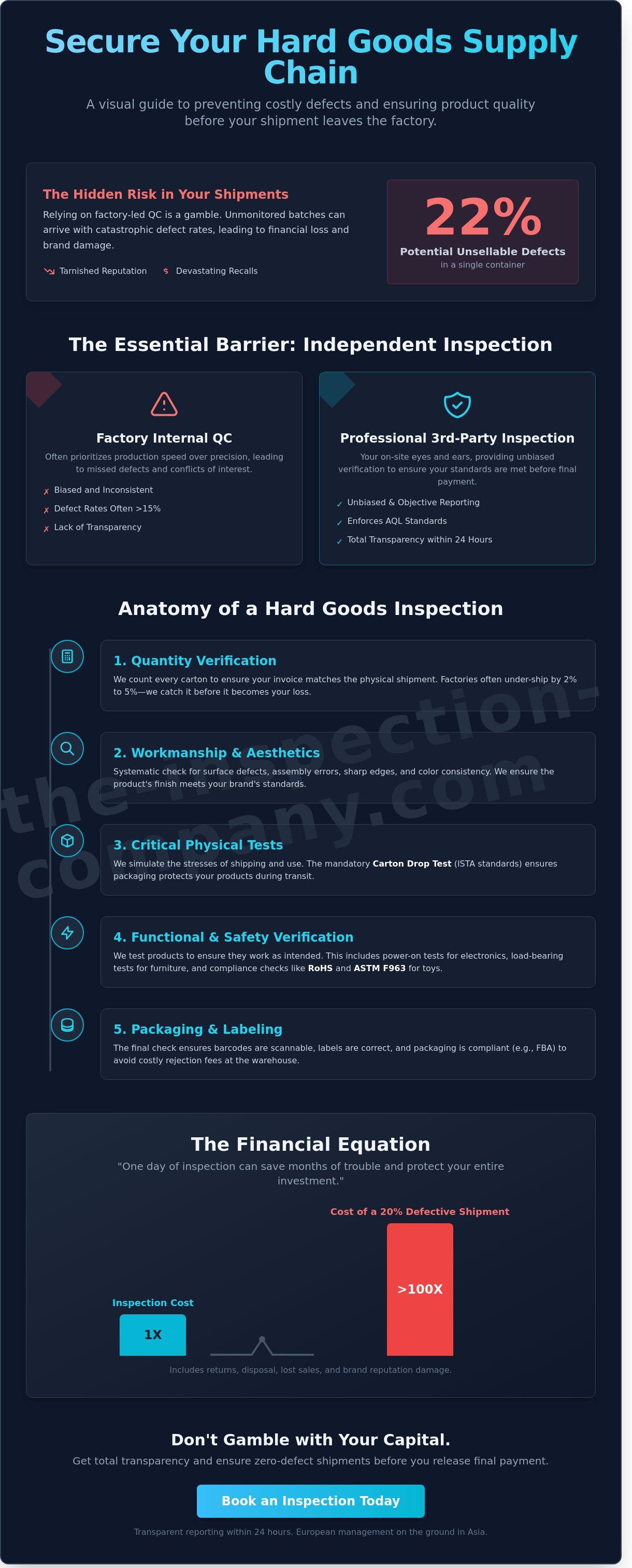
In international trade, hard goods encompass durable products designed for long-term use. This category includes items like wooden furniture, plastic toys, consumer electronics, and stainless steel kitchenware. Unlike perishable items, these products must withstand repeated use and rigorous safety standards. Implementing a robust quality inspection for hard goods isn't just a procedural step; it's a critical safeguard against manufacturing errors. Relying solely on a factory's internal quality control often leads to costly surprises. Many internal teams prioritize production speed over precision, which results in defect rates exceeding 15% in unmonitored batches.
An independent Inspection serves as your financial insurance. It protects your final balance payment and ensures your brand reputation remains intact by stopping substandard goods before they leave the warehouse. Professional quality inspection for hard goods provides the third-party verification necessary to hold suppliers accountable in a global market where distance often obscures visibility.
Hard Goods vs. Soft Goods: Key Differences in QC
Soft goods like textiles focus heavily on aesthetics and stitching. Hard goods require specialized mechanical and functional testing. For instance, a toy must pass "pull tests" to ensure small parts don't detach, while a chair requires load-bearing assessments. Durability and safety compliance are non-negotiable in the durable goods sector. You aren't just checking for scratches; you're verifying that the product functions safely for years.
The Financial Impact of Skipping Inspection
The ROI on inspection is clear. One day of inspection can save months of legal and logistical trouble. If a shipment of 5,000 units arrives with a 20% defect rate, the cost of returns and disposal can exceed the original production value. Understanding what does pre shipment mean acts as the final gatekeeper for quality. This single day of verification prevents the financial drain of shipping defective products across the ocean.
The Anatomy of a Hard Goods Inspection: What Happens On-Site?
A professional quality inspection for hard goods isn't a cursory glance at a few boxes. It's a systematic deconstruction of the shipment's integrity. Our inspectors begin with quantity verification. Factories often under-ship by 2% to 5% due to production errors or inventory mismanagement. We count every carton to ensure your invoice matches the physical reality. Next, we scrutinize workmanship. This involves checking for surface defects, sharp edges, or assembly errors that could lead to consumer returns or liability claims.
Critical Physical Tests for Durable Products
Hard goods must survive more than just the retail shelf; they must survive the journey. The Carton Drop Test is a mandatory protocol where we drop sample cartons from specific heights based on ISTA standards. This simulates the impact of rough handling during international transit. If the packaging fails, the product inside is at risk. Clients can monitor these results instantly through our quality platform, which provides real-time data and photographic evidence directly from the factory floor.
Functional and Safety Verification
Functionality is non-negotiable. For electronics, we perform 100% power-on tests on the selected sample size to identify dead-on-arrival units. Furniture undergoes load-bearing tests to verify stability and joint strength. Safety compliance is the final hurdle. We ensure products are compliant with rohs directive to prevent hazardous substance issues. For children's products, we reference the ASTM F963 Toy Safety Standard to check for small parts or sharp points. These rigorous checks during a quality inspection for hard goods stop problems before your shipment sails.
Packaging and labeling are the last lines of defense. We verify FBA compliance and transit-ready protection to avoid costly warehouse rejection fees. If you're concerned about your current production run, you can book an inspection today to secure your investment and protect your brand reputation.
How to Implement an Effective Hard Goods Quality Strategy
Implementing a robust quality inspection for hard goods requires a shift from reactive troubleshooting to proactive risk management. You can't rely on a factory's internal QC because their incentives often differ from your own. A successful strategy rests on three pillars: timing, clear standards, and objective reporting. One day of inspection can save months of trouble if you apply these protocols correctly.
Choosing the Right Inspection Service
Timing determines your leverage. For new product launches or major design changes, a first article inspection (FAI) is essential. It verifies the factory's tooling and materials before mass production begins, preventing 100% of the batch from being manufactured incorrectly. Once production hits the 80% completion mark, a pre-shipment inspection (PSI) acts as your final quality gate. This is the last chance to stop defective furniture, electronics, or mechanical tools from leaving the port.
Defining Your Quality Standards with AQL
Objective data removes the guesswork from "pass" or "fail" decisions. Professional inspectors use aql (Acceptable Quality Limit) tables based on ISO 2859-1 standards. These tables dictate exactly how many units to sample based on your total order size. Hard goods require specific defect classifications to ensure safety and functionality:
-
Critical defects: 0% tolerance. These include safety hazards like sharp metal burrs, lead paint, or exposed wiring.
-
Major defects: Usually set at 1.5% or 2.5%. These involve structural failures or functional errors that make the product unusable.
-
Minor defects: Typically 4.0%. These are cosmetic issues, such as slight paint scuffs or logo misalignment, that don't impact performance.
Your inspection checklist must be absolute. Don't leave room for factory interpretation. If a chair must support 120kg, specify the weight and the duration of the load test. When you review the final report, look for high-resolution photo evidence of every test performed. Clear images of packaging, drop tests, and measurement checks provide the transparency needed to approve a shipment with confidence. We stop problems before your shipment sails by ensuring every finding is backed by visual proof.
Secure your supply chain today by booking a professional quality inspection for hard goods.
Why Expert On-the-Ground Inspection is Your Best Defense
Professional quality inspection for hard goods is the only way to mitigate the high stakes of international trade. Our European management team applies strict Western standards to local production environments across Asia. This bridge prevents the quality fade that often impacts 30% of long-term manufacturing partnerships. With over 700 inspectors ready to deploy, we offer a scalable solution for businesses of any size. A thorough quality inspection for hard goods ensures that technical specifications are met before the cargo is sealed. You receive a comprehensive report within 24 hours of the site visit. This rapid turnaround prevents logistics bottlenecks and keeps your supply chain moving. One day of inspection can save months of trouble.
Our approach combines several critical advantages to protect your investment:
-
European Management: High-level oversight that understands your quality expectations.
-
Local Expertise: On-the-ground presence in every major Asian manufacturing hub.
-
Rapid Reporting: Detailed digital insights delivered within 24 hours of the inspection.
-
Scalability: The ability to handle one-off shipments or high-volume monthly orders.
Securing Your Supply Chain in Asia
The factory's self-reporting is rarely enough to protect your brand. Using our china inspection service provides the independent verification needed to avoid costly surprises. We've seen that third-party audits reduce the risk of receiving non-compliant goods by 45% compared to factory-only checks. It's about maintaining control over thousands of miles. We act as your eyes and ears, ensuring that our 25 years of experience translates into a defect-free shipment every time. We stop problems before your shipment sails.
Next Steps: Booking Your First Inspection
Move beyond basic transactions. Adopting a mastered supplier management process turns a chaotic supply chain into a predictable asset. Avoid the nightmare of a total product recall by catching errors at the source. View our full range of quality control services to secure your next container. Our ISO 9001 certified process ensures every bolt, joint, and finish meets your specifications. Don't let your reputation rest on a factory's promise when you can have verified facts.
Secure Your Supply Chain with Professional Oversight
Success in international trade depends on more than just finding a supplier; it requires active risk management. Effective quality inspection for hard goods ensures that your products meet safety standards and functional requirements before they leave the factory floor. By identifying defects early through on-site audits and rigorous testing, you protect your brand from the financial fallout of mass recalls or customer dissatisfaction. One day of inspection can save months of trouble.
The Inspection Company provides the transparency you need to trade with confidence. With 25 years of experience and European management, our team applies Western quality standards to every project. As an ISO 9001 certified firm and Sedex member, we maintain the highest levels of professional integrity. You'll receive a detailed report within 24 hours of the site visit, giving you the data required to make informed shipping decisions. Don't leave your investment to chance when you can have eyes on the ground.
**Stop problems before your shipment sails; Book your inspection now **
Take control of your manufacturing process today and ensure every shipment arrives exactly as expected.
Frequently Asked Questions
What is the difference between hard goods and soft goods in quality control?
Hard goods are durable items like furniture, electronics, or tools, while soft goods are textiles like clothing and bedding. In quality control, hard goods require physical testing for structural integrity and mechanical safety. For instance, a quality inspection for hard goods like a bicycle involves checking torque levels on bolts, while soft goods QC focuses on seam strength and fabric GSM. This distinction ensures the right testing equipment is used on-site.
How much does a hard goods inspection typically cost?
Industry pricing for third-party inspections usually follows a "per man-day" model rather than a fixed product price. Standard industry reports show that global agencies quote between $200 and $300 per man-day for on-site services in Asian manufacturing hubs. This fee covers the inspector’s time to check a specific sample size, such as 80 units for a 500-piece order under AQL Level II standards. It's an investment that prevents costly surprises.
Can I perform a quality inspection myself remotely?
You can't effectively perform a comprehensive inspection yourself because you lack physical access to the factory floor. While video calls provide a glimpse of the facility, they don't allow for hands-on tests like the 1-meter carton drop test or moisture content checks. An independent inspector acts as your eyes and ears on the ground. They stop problems before your shipment sails, providing security that a remote call cannot match.
What happens if the factory fails the quality inspection?
If a factory fails the inspection, you must hold the shipment and demand a corrective action plan immediately. Data from industry benchmarks indicates that 15% of initial inspections result in a "fail" or "pending" status due to major defects. You should require the supplier to sort the entire lot and replace faulty units before paying the final 70% balance on your purchase order. This prevents you from receiving unsellable inventory.
How long does it take to receive an inspection report for hard goods?
You'll typically receive the final report within 24 hours of the inspector leaving the factory. Most professional firms provide a summary on the same day, followed by a full report containing 50 to 100 detailed photos of the quality inspection for hard goods. This fast turnaround ensures your shipping schedule isn't delayed while you review the critical findings. It gives you the facts needed to make an informed "ship" or "don't ship" decision.