Container Loading Inspection

Container Loading Inspection in China, Vietnam, India and across Asia

Verify what actually goes into the container — before it's sealed and gone.

  • 685+ Asia-based inspectors on-site for every container loading
  • Container and seal numbers recorded with photographic evidence
  • Report ready within 24hrs after inspection — approve or halt the shipment before it leaves
Container Loading Inspection
On the ground in 25+ countries across Asia & beyond

Why a Container Loading Inspection Matters

Passing a Pre-Shipment Inspection does not mean the process is complete. A Container Loading Inspection helps verify that the correct goods are loaded in the correct quantity, handled properly, and sealed in the designated container.

Verifies correct items before loading

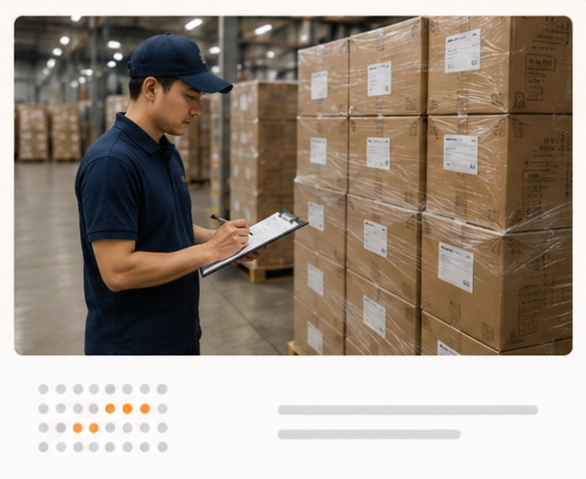
The inspector visually checks the cargo before loading to verify the product type, quantity, packaging condition, and condition of the assigned container.

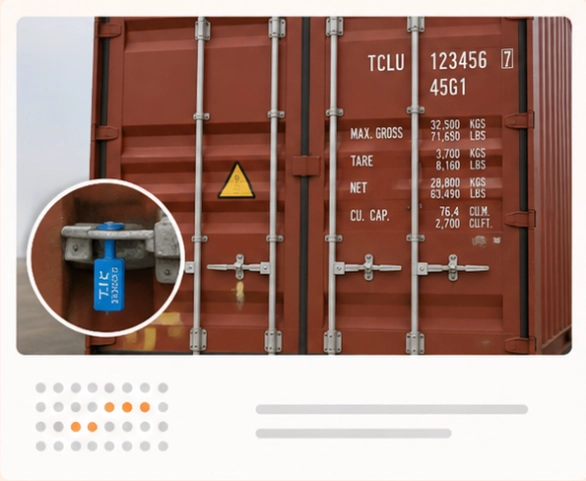
Records container and seal numbers

The container number and seal number are recorded in the CLI report, and the loading process is supervised on-site according to the client's requirements.

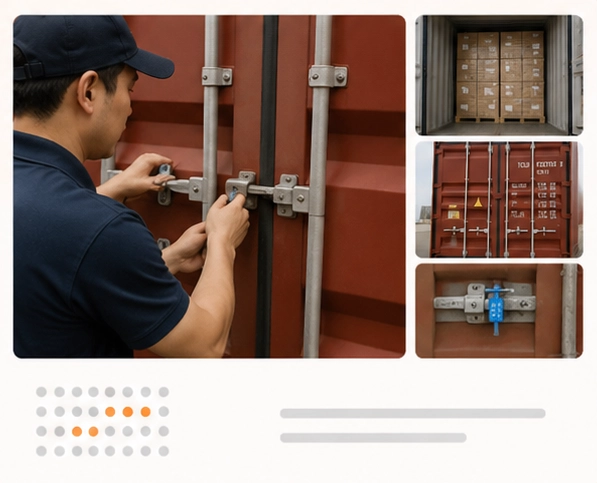
Witnesses the container sealed

The inspector witnesses the closing and sealing of the container and takes photographic evidence of the cargo, packaging, container doors, and applied seal.

Checked against shipping standards

Verifies packaging integrity, container cleanliness, product condition, and documentation accuracy in line with international shipping standards.
What Steps Does The Inspection Company Follow During a Container Loading Inspection?

A structured 8-step process to verify the container and its contents are correctly and safely loaded before departure.

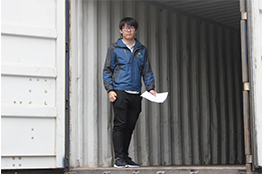
  1. Step 01: Container Condition Checked Before Loading
    Step 01 Container Condition Checked Before Loading

    The inspector checks for visible holes, cracks, damaged seals, or other conditions that may allow water or moisture to enter the container.

    1
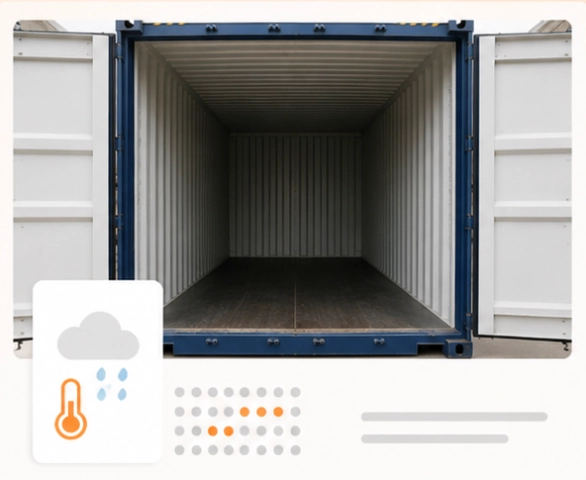
  2. Step 02: Weather and warehouse condition reported
    Step 02 Weather and warehouse condition reported

    The inspector records the weather conditions and relevant warehouse or loading-area conditions that could affect the cargo during loading.

    2
  3. Step 03: Quantity verified against packing list
    Step 03 Quantity verified against packing list

    Check and confirm the total available quantity in comparison with the packing list.

    3
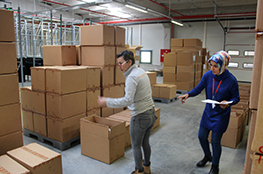
  4. Step 04: Random sample verification
    Step 04 Random sample verification

    Random cartons or packages are selected before loading to verify the product identity, assortment, labeling, packaging, and visible condition of the goods inside.

    4
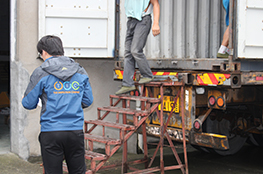
  5. Step 05: Loading overseen in person
    Step 05 Loading overseen in person

    TIC staff oversees all handling in person to ensure that goods are safe, secure, and that the containers are sealed in accordance with C-TPAT and Euro regulations.

    5
  6. Step 06: Continuous monitoring until departure
    Step 06 Continuous monitoring until departure

    The inspector remains on-site during the agreed loading period and monitors the cargo until loading is completed and the container is sealed.

    6
  7. Step 07: Immediate Notification of Critical Loading Issues
    Step 07 Immediate Notification of Critical Loading Issues

    The client is notified promptly if serious discrepancies are identified during loading, such as incorrect goods, major quantity differences, damaged packaging, unsuitable container conditions, or loading practices that may create a significant risk.

    7
  8. Step 08: Detailed photo report provided
    Step 08 Detailed photo report provided

    Thorough reports with photos are provided for your review.

    8

What every Container Loading Inspection delivers

Comprehensive documentation and evidence at the final stage before dispatch — so the right products, in the right quantity, leave the factory in a clean, secure and properly sealed container.

01

Container Condition Check

Before loading begins, our auditors inspect the containers to ensure each one is clean and weatherproof — a full evaluation for damages, wet and moisture, bad smell, or dirt — with the weather and warehouse condition reported as well.

Container Condition Check
02

Pre-Loading Visual Inspection

Before the cargo get loaded into the container, the inspector will make the visual inspection of the cargos to make sure its the correct items with correct quantities. The condition of the packing of the cargo and the condition of containers are inspected.

Pre-Loading Visual Inspection
03

Container & Seal Recording

The container number and seal number are recorded in the CLI report. The inspector supervises the loading process and checks whether the cargo is loaded according to the client's documented requirements, where applicable.

Container & Seal Recording
04

Sealing Witnessed On-Site

The inspector witnesses the closing and sealing of the container. Photographs are taken of the cargo, packaging, container doors, container number, applied seal, and seal number.

Sealing Witnessed On-Site
Frequently Asked Questions

Everything you need to know about Container Loading Inspection

Common questions from importers scheduling their first Container Loading Inspection

What is a Container Loading Inspection (CLI)?

A Container Loading Inspection (CLI) is a vital quality control procedure conducted at the final stage of production — during the loading of goods into shipping containers. The inspection ensures that the right products are being shipped in the right quantity and packed properly to avoid any damage or loss during transit.

During a CLI, inspectors verify packaging integrity, container cleanliness, product condition, and the accuracy of documentation. They also supervise the actual loading process to ensure that the goods are handled correctly and in accordance with international shipping standards.
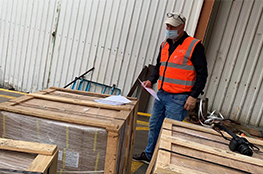
Whether you're shipping consumer goods, industrial components, or fragile products, a CLI provides assurance that everything has been handled and loaded correctly before the container is sealed and dispatched.

Why do you need a Container Loading Inspection?

A Container Loading Inspection is critical for several reasons:

  • Verify Correct Products: Help verify that the loaded goods match the available purchase order and packing list in terms of product identity, model, markings, and quantity.
  • Protect Against Damage: Inspectors make sure that goods are packed securely to withstand international transit and that containers are clean, dry, and free from damage.
  • Prevent Shipping Mistakes: Reduce the risk of incorrect or incomplete shipments caused by loading mistakes, quantity discrepancies, or product mix-ups.
  • Compliance and Documentation: Inspectors record seal numbers, container numbers, and take photos for official records.
  • Peace of Mind: Receive independent evidence of the loading condition before the shipment leaves the factory, helping reduce the risk of unexpected loading or documentation issues.

By investing in a CLI, you're not just checking a box — you're safeguarding your goods, your brand reputation, and your customer satisfaction.

What happens after a Container Loading Inspection is completed?

Once the Container Loading Inspection is finished, TIC provides a comprehensive inspection report which includes:

  • Photographic evidence of the loading process, packaging condition, container seals, and cargo placement.
  • Verification of quantity and product type loaded compared to the packing list.
  • Inspector's notes on any discrepancies or concerns.
  • Seal and container numbers for tracking and security purposes.
  • Confirmation of container closure and final sealing.

Serious issues identified during loading can be communicated promptly where agreed. The final report is then provided with the complete findings and photographic evidence within 24 hrs after the inspection is done. It provides a final independent record of the cargo and loading condition before the sealed container leaves the loading site.

What is included in a Container Loading Inspection?
A Container Loading Inspection (CLI) includes checking product quantity, packaging integrity, labeling, container condition, loading process, and sealing. Inspectors also document container and seal numbers, and provide photographic evidence.
Why is a Container Loading Inspection important?
A CLI helps prevent shipping errors, ensures the right products are loaded, and safeguards goods during transit. It’s especially important for high-value or time-sensitive shipments to reduce risks of damage or loss.
When should I schedule a Container Loading Inspection?
A CLI should be booked in advance and scheduled for the confirmed loading date. The supplier should have the cargo, packing list, container, loading team, and loading equipment ready when the inspector arrives.
Who benefits from a Container Loading Inspection?
Importers, exporters, retailers, and manufacturers all benefit from CLIs. It provides peace of mind that the shipment is handled professionally, reducing liability and protecting customer satisfaction.
What happens if container loading is delayed?
The supplier should confirm the loading time before the inspection. Waiting time, late container arrival, loading delays, or loading that continues beyond the booked inspection time may require additional inspection hours or an additional man-day.
Can TIC guarantee the container seal after loading?
The report records the seal applied in the inspector's presence. TIC cannot control the container or seal after the inspector leaves the loading location.

Ready to secure your supply chain?

Our experts in Asia provide professional, fast-response solutions for your inspection and audit needs.

24h Reporting Certified Experts