During Production Inspection

During Production Inspection Services for Quality Control and Early Defect Detection

Catch defects and deviations early — before they reach the final product.

  • Recommended for first-time orders, new factories, or strict quality requirements
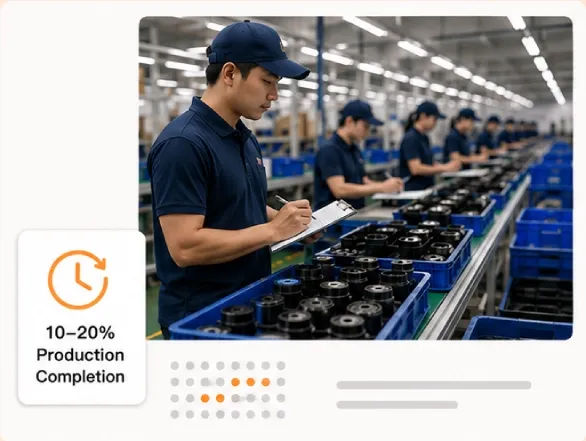
  • Takes place once 10-20% of production is complete
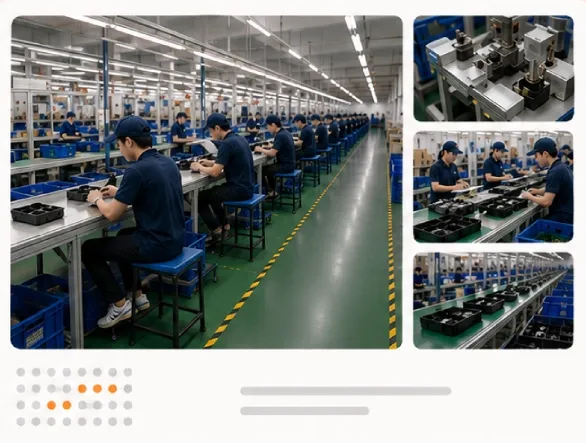
  • Gives you an up-close look at manufacturing, material use, and workflow
During Production Inspection Services for Quality Control and Early Defect Detection
On the ground in 25+ countries across Asia & beyond

Why a During Production Inspection Matters

DUPRO catches defects while production is still underway—early enough to fix without derailing the whole order.

Best for new factories and big orders

Recommended when ordering a product for the first time, working with a new factory, or placing a large-quantity order with strict quality requirements.

Catches defects while they're still fixable

Finds and addresses defects or deviations at an early stage of production, before they end up baked into the final product.

Timed at 10–20% production completion

Takes place once 10–20% of production is done, giving an up-close look at the manufacturing process, material use, and workflow.

Protects your timeline and your standards

Helps assess whether current production quality is aligned with the approved requirements and highlights corrective actions for the remaining production.

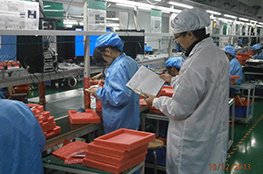
What steps does TIC follow during a DUPRO inspection?

A structured 5-step process to monitor production progress and catch quality issues while there is still time to fix them.

  1. Step 01: Arrives once production is underway
    Step 01 Arrives once production is underway

    Our inspector visits the factory after production has started and sufficient quantities are available for inspection.

    1
  2. Step 02: Monitors production and QC
    Step 02 Monitors production and QC

    The inspector reviews the manufacturing process, in-line quality controls, production workflow, and packing activities where applicable.

    2
  3. Step 03: Raw Materials and Components Are Checked
    Step 03 Raw Materials and Components Are Checked

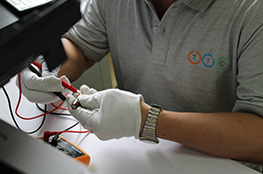
    The inspector reviews the available raw materials, components, and handling processes used for the inspected order. Relevant materials are compared with the approved specifications and reference samples.

    3
  4. Step 04: Random sample verification
    Step 04 Random sample verification

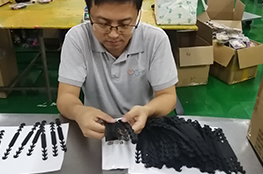
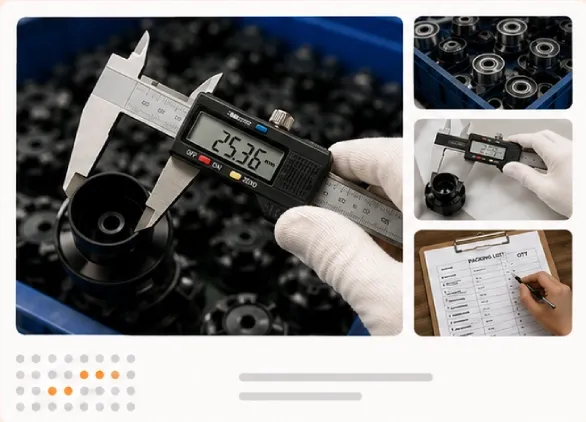
    Random samples are selected from available semi-finished and finished products. The samples are checked against the client's approved specifications, reference samples, and inspection checklist.

    4
  5. Step 05: Production status reported
    Step 05 Production status reported

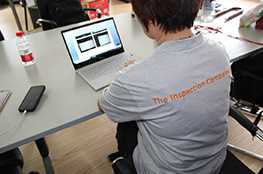
    The inspection findings, production status, identified defects, test results, and photographic evidence are documented in a detailed report. This gives the client a clear overview of production progress and current quality conditions.

    5

What every inspection delivers

Comprehensive documentation and evidence to help you decide whether to move forward, make adjustments, or halt production.

01

During Production Inspection

Carried out once 10–20% of production is complete — catching defects early, monitoring materials, workflow, and QC steps, and verifying output against your specifications while there's still time to correct it.

During Production Inspection
02

Visual Evidence

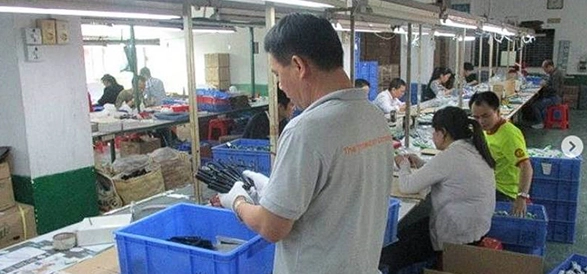
Time-stamped photographs of the production process at various stages, giving you a clear, general overview of the situation and condition on the line.

Visual Evidence
03

Measurements & Spec Verification

Randomly picked samples from semi-finished or finished products — key measurements, materials, and workmanship checked against your product specifications, each marked pass or fail.

Measurements & Spec Verification
04

DUPRO Inspection Summary

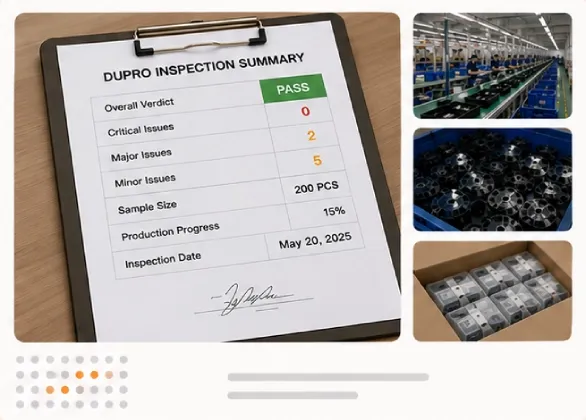
A clear assessment of the inspected production status, available quantities, identified defects, and required corrective actions — classified by severity (critical, major, minor) under TIC's standard ANSI/ASQC Z1.4 methodology. Where applicable, available finished products are sampled according to an agreed inspection level based on the quantity available at the time of inspection, so you know exactly what needs attention before further investments are made.

DUPRO Inspection Summary
Frequently Asked Questions

Everything You Need to Know About During Production Inspection

Common questions from importers scheduling a During Production Inspection (DUPRO)

What is a During Production Inspection (DUPRO)?

A During Production Inspection (DUPRO) is a quality control check that occurs while production is in progress, typically when 10-20% of the production has been completed. This type of inspection is vital when working with a new supplier or a product with stringent quality requirements.

DUPRO helps to catch issues early, giving you an opportunity to correct any defects or deviations in materials or production processes before they affect the entire order. It also helps ensure that timelines are met and quality standards are maintained throughout the production process.

For companies producing large volumes or dealing with high-value products, DUPRO is a proactive measure to prevent costly mistakes that could arise later in the production cycle.

Why is During Production Inspection Important?

A During Production Inspection is crucial for:

  • Early Detection of Issues: Spot problems such as material defects, quality discrepancies, or process inefficiencies before they affect the whole batch.
  • Monitoring Production Processes: Ensure that manufacturing is happening according to your specifications and timelines, preventing delays.
  • Reducing Risk: By monitoring the first 10-20% of production, you can take corrective action immediately, reducing the risk of poor-quality products.
  • Ensuring Compliance: With detailed reports, you can verify that the factory is adhering to agreed-upon standards and production protocols.
  • Building Supplier Trust: Continuous checks build a more transparent, collaborative relationship between you and your supplier, ensuring they meet your quality expectations.

DUPRO minimizes the chances of receiving non-compliant products, making it an invaluable step for ensuring product quality and protecting your investment.

What Happens After a During Production Inspection?

After the During Production Inspection is conducted, TIC will provide you with a detailed inspection report. This includes:

  • Photographs of the production process at various stages.
  • Analysis of any discrepancies between the production output and your specifications.
  • Recommendations for corrective actions, if necessary.
  • A report on the current production status, allowing you to track progress and anticipate any potential delays.

This report serves as a vital tool to decide whether to move forward, make adjustments, or halt production to correct issues before further investments are made.

What is the best time to schedule a During Production Inspection?
The best time for a During Production Inspection (DUPRO) is when around 10-20% of the production is complete. This allows enough time to monitor the production process but early enough to address any issues before the full batch is produced.
How does TIC conduct a During Production Inspection?
TIC's inspector monitors the production line, inspecting the semi-finished products, materials, quality control processes, and production workflow. Random samples are checked, and the status is documented to provide a full report on the production's progress.
Why should I conduct a DUPRO inspection?
DUPRO helps to catch issues early, saving you from costly mistakes later in the production cycle. It provides assurance that your production is on track, reducing risks of defects, delays, and non-compliance.

Ready to secure your supply chain?

Our experts in Asia provide professional, fast-response solutions for your inspection and audit needs.

24h Reporting Certified Experts