The moment your factory flips the switch on mass production, you've either secured your profit margin or signed off on a series of expensive mistakes. Many importers treat the final briefing as a formality, but a poorly executed pre-production meeting with supplier management is often the root cause of shipment rejections and costly re-work delays. You've likely felt that nagging anxiety as production begins, wondering if technical nuances were lost in translation or if the factory truly understands your quality thresholds.
It's a valid concern; misalignment at this stage can be devastating, especially with the 10% global surcharge on U.S. imports and the elimination of de minimis thresholds raising the financial stakes for every unit shipped. This 2026 guide provides a clear roadmap to master the pre-production meeting with your supplier. You'll learn how to extract firm commitments on quality, navigate the upcoming ISO 9001:2026 revisions, and ensure your production run is flawless from day one. We'll break down the essential agenda items and risk-mitigation strategies that transform factory management into a reliable partner, ensuring your standards are met before you ever need to schedule a Pre-Shipment Inspection or During Production Inspection.
Key Takeaways
- Understand why the PPM is your final opportunity to align factory expectations and prevent systemic manufacturing errors before they become permanent.
- Discover the technical framework for a high-impact pre-production meeting with supplier teams, including Golden Sample verification and raw material audits.
- Identify which key factory stakeholders must be present to ensure technical briefings and quality standards aren't lost in translation.
- Learn to bridge the gap between initial prototyping and mass production by validating the current Bill of Materials against on-site components.
- Secure a proactive roadmap for future quality control steps, including the strategic scheduling of your Pre-Shipment Inspection.
What is a Pre-Production Meeting (PPM) and Why is it Critical?
A pre-production meeting with supplier teams isn't a casual briefing; it's the final gate before your capital is committed to raw materials and labor. At its core, the PPM is a strategic alignment session. It ensures that every stakeholder, from the factory owner to the line supervisor, shares a unified understanding of your technical specifications and quality thresholds. Effective pre-production planning transforms abstract requirements into a concrete execution plan. Without this session, you're essentially gambling that the factory's interpretation of "quality" matches your own.
It's vital to distinguish this meeting from a First Article Inspection (FAI). While an FAI examines the very first units off the line to verify process capability, the PPM happens before those units are even manufactured. The PPM focuses on the "how" and "why," whereas the FAI focuses on the "what." Think of the PPM as the point of no return. Once the assembly line starts moving, correcting a systemic defect becomes exponentially more expensive. A single misunderstanding about a tolerance level or a finishing technique can result in thousands of unsellable units.
Beyond the technicalities, this meeting sets a serious tone. It signals to factory management that you are a meticulous partner who prioritizes quality over speed. This proactive communication builds a sense of accountability. It makes it clear that shortcuts won't be tolerated and that you have a structured process for verification. This psychological alignment is often just as important as the technical briefing itself.
PPM vs. Pre-Production Inspection: Knowing the Difference
Many importers confuse the meeting with a Pre-Production Inspection (PPI). The difference is functional: the meeting is about planning and alignment, while the PPI is a physical verification of raw materials, tooling, and machinery. For high-stakes orders or new product launches, you need both. The meeting ensures they know what to do; the inspection ensures they have the correct, non-defective components on the floor to actually do it.
The ROI of a Pre-Production Meeting
The financial logic is undeniable. Investing a few hours in a pre-production meeting with supplier management can prevent the total loss of a production run. Consider the cost of 10,000 defective units arriving at your warehouse versus the cost of a proactive briefing. Early alignment eliminates mid-production stops, reduces the need for expensive re-work, and protects your brand from the fallout of shipment rejections. It is a preventative investment that forestalls much larger financial losses.
The Essential PPM Agenda: A Technical Framework for Success
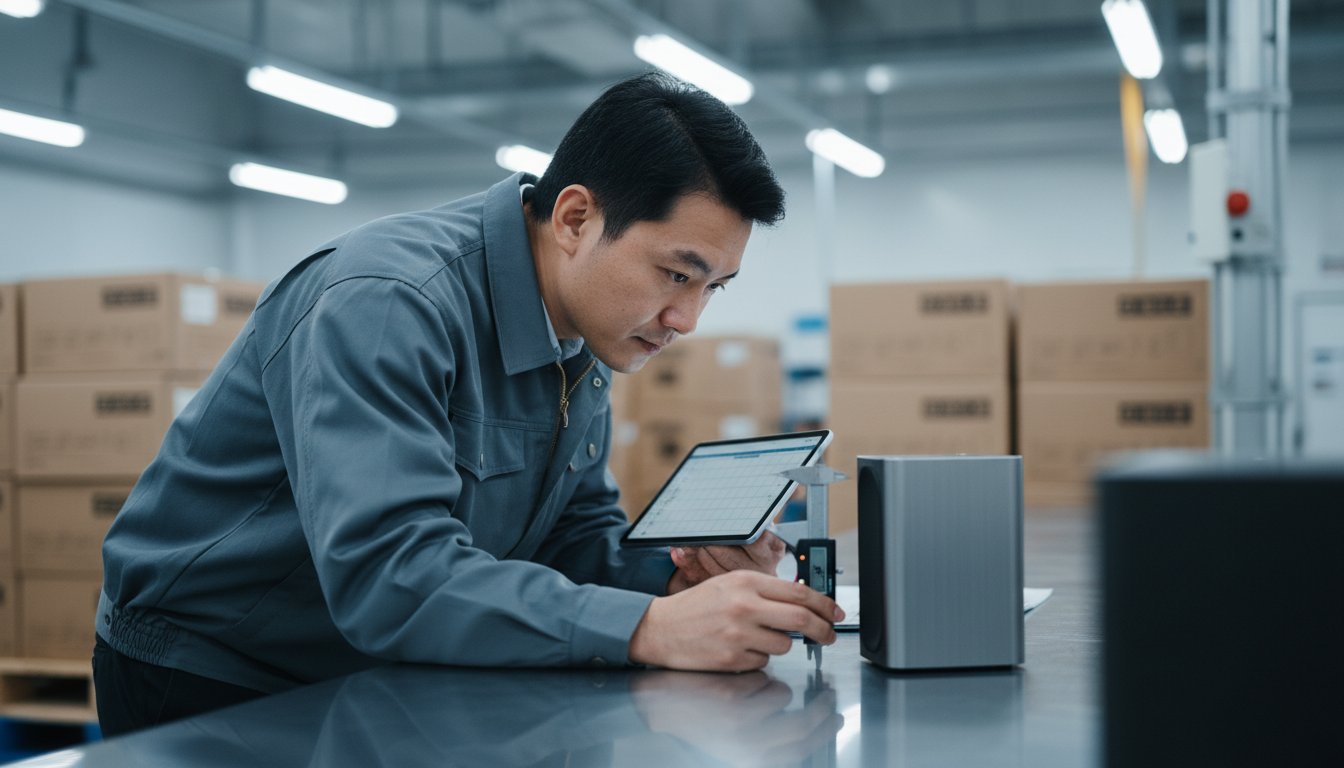
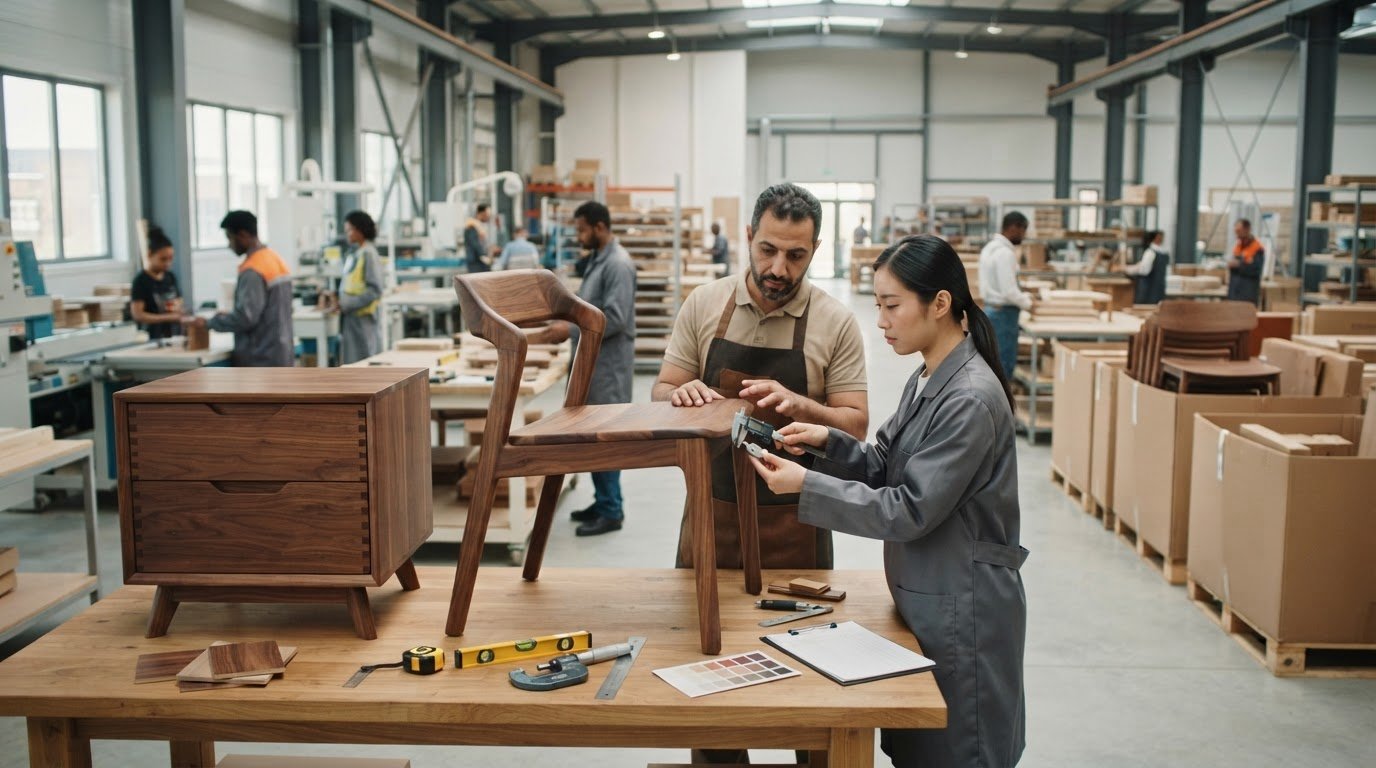
A successful pre-production meeting with supplier teams must move beyond generalities. You need a technical framework that translates your quality manual into factory-floor actions. Start by comparing your "Golden Sample" against the current Bill of Materials (BOM). It's common for factories to suggest material substitutions at the last minute to offset rising costs, such as the 10% global surcharge on U.S. imports effective February 2026. Verify that every sub-component currently on the factory floor matches the approved specifications. If the physical stock doesn't match the BOM, production should not proceed.
Next, define your Critical to Quality (CTQ) parameters. These are the specific measurements or functional traits that the factory must monitor hourly. If you don't define these clearly, the factory will default to their own internal standards, which may not align with your market's expectations. Establish clear milestone dates for during production inspections to catch errors while they're still correctable. This proactive scheduling prevents the discovery of systemic defects only after the entire batch is finished.
Technical Review of Tooling and Equipment
Production delays often stem from equipment failure or poor maintenance. During the meeting, demand proof that all molds, jigs, and testing equipment are calibrated for your specific order. Identify any bottleneck machines. If your production relies on a single specialized piece of equipment, a breakdown there stops your entire supply chain. Understanding these risks early allows you to consult with experts on contingency planning before the first unit is made.
Establishing the Quality Control Plan (QCP)
The QCP is your defensive line. Finalizing this plan during the pre-production meeting with supplier representatives ensures everyone agrees on the Acceptable Quality Limit (AQL) standards for the batch. Don't leave this to the factory's discretion. Specify the exact sampling size for internal checks and the frequency of QC reporting. You must also reach a consensus on the definition of critical, major, and minor defects to avoid disputes during the final inspection.
Stakeholders and Logistics: Who Should Attend Your PPM?
A pre-production meeting with supplier teams is only as effective as the authority of the people in the room. You must move past the sales department and engage directly with the individuals responsible for the physical production. At a minimum, your attendance list should include the factory's Production Manager and the Head of Quality Control. The Production Manager controls the labor and line scheduling, while the Head of QC is responsible for enforcing your specific standards. Without these two stakeholders, any technical agreement you reach lacks the operational muscle to be implemented on the factory floor.
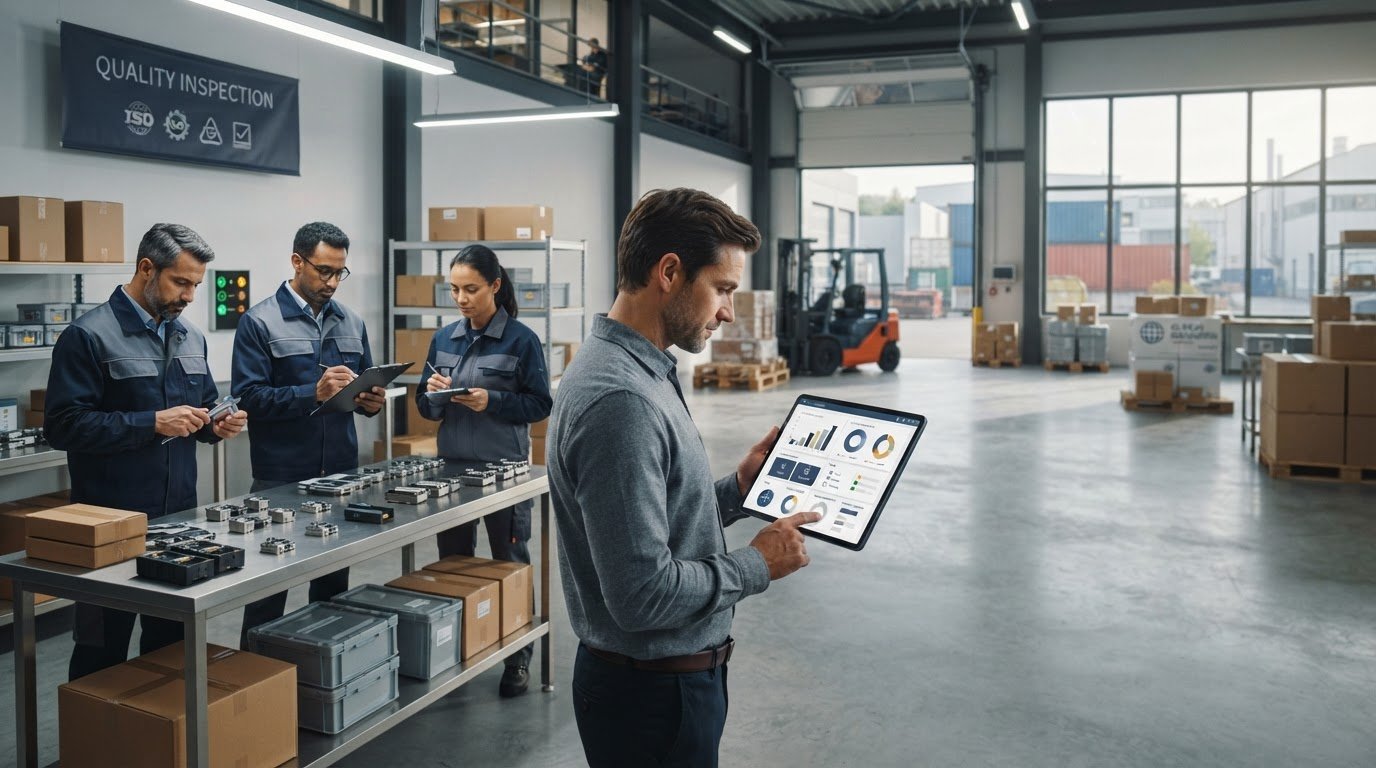
Your role as the importer isn't to be a technical expert, but to be the primary driver of the conversation. Focus on asking "what if" questions regarding potential failures. However, the most critical attendee is an independent TIC company technician. Their presence changes the dynamic of the meeting. They provide an unbiased perspective that factory management cannot offer. They identify red flags in the factory's responses that an untrained eye might miss. Once the session concludes, ensure every point is documented in a formal PPM Report. This signed document serves as your operational reference and a legal safeguard if disputes arise during production.
The Role of the QA Technician in the Meeting
A qualified QA technician acts as your eyes and ears on the ground. In technical sectors like consumer electronics or hardware, they verify specific assembly points and testing protocols that require specialized knowledge. More importantly, they bridge the cultural and language gap. They translate complex requirements into the local language to ensure that "yes" actually means the factory understands the instruction. This prevents the "Yes-man" syndrome, where factory staff agree to impossible standards just to avoid friction or "losing face."
Handling Remote and Hybrid Meetings in 2026
In 2026, proximity is no longer a barrier to effective oversight. High-definition video feeds allow you to inspect raw materials and line setups in real-time from across the globe. Modern digital quality platforms facilitate immediate sign-off on meeting minutes and samples. This transparency ensures that the results of your pre-production meeting with supplier management are locked in instantly. If you need assistance coordinating these high-stakes sessions, you can contact our team to provide on-site technical support and professional representation.
From Meeting to Mass Production: Securing the Results
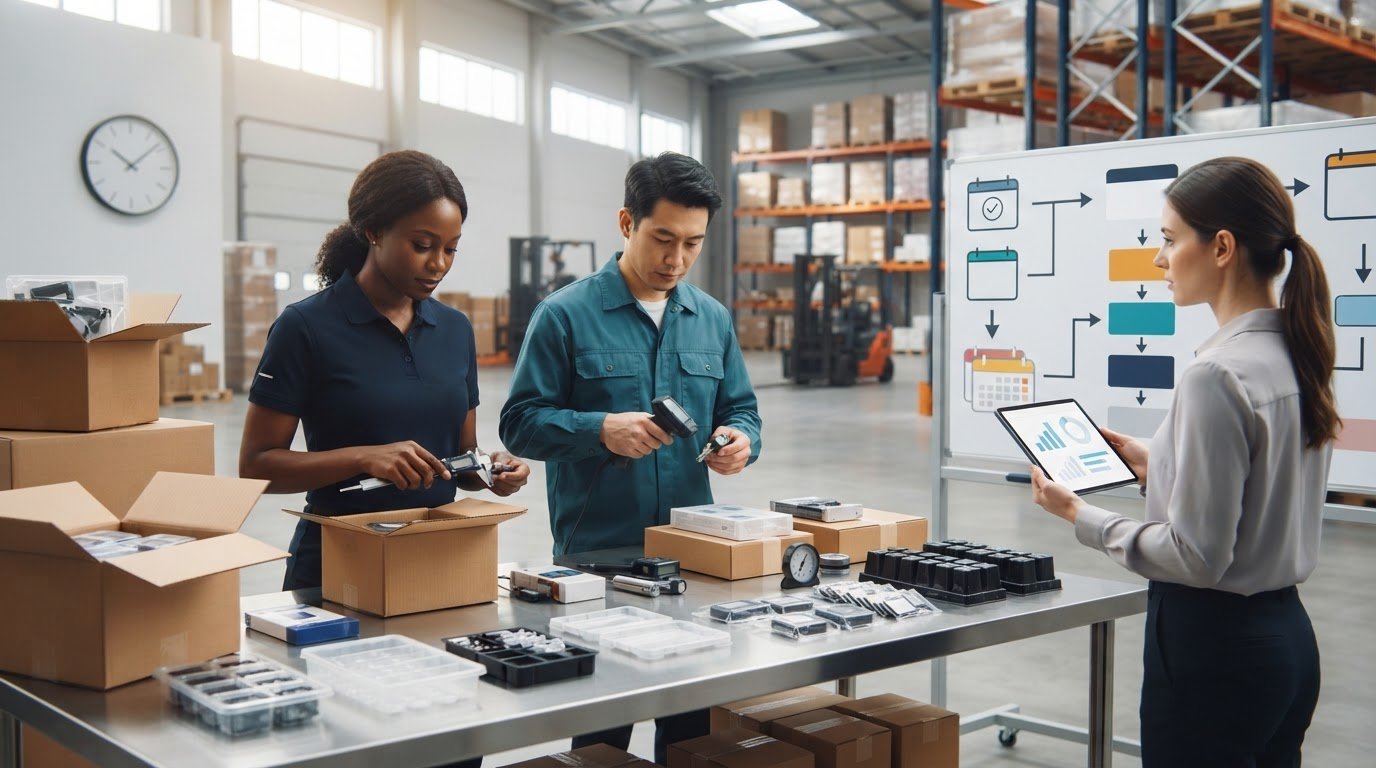
The conclusion of your pre-production meeting with supplier management shouldn't lead directly to a "set it and forget it" mindset. Instead, the transition to mass production requires active oversight to ensure every agreement is honored. Use the technical findings from your session to establish a precise schedule for your pre-shipment inspection. If the meeting highlighted specific risks in the assembly process, you may need to increase the frequency of reporting during the first 10% of the production run to verify that the factory has successfully scaled the pilot process.
Identify and act on red flags immediately. If the factory management appeared evasive during the briefing or couldn't provide calibration certificates for critical machinery, pause the order. It's far better to delay production by a few days to resolve technical ambiguities than to face a total shipment rejection and the subsequent loss of market share. A well-executed pre-production meeting with supplier teams is a preventative investment that forestalls major financial losses by catching errors before they're replicated across thousands of units. In a 2026 trade environment where import surcharges and duty costs are higher, you cannot afford to ship defective inventory.
Monitoring Compliance Post-Meeting
The PPM report you created is your most powerful tool for accountability. You should integrate the specific quality standards agreed upon during the meeting into any future factory audits. Don't rely solely on scheduled visits. Unannounced spot checks are essential to verify that the factory is actually using the approved raw materials and following the hourly QC protocols you established. Consistency is the only way to mitigate the risk of "quality fade" that often occurs during long, multi-week production cycles.
Your Next Steps for a Risk-Free Production Run
Before giving the final "green light," verify that you have a signed copy of the PPM minutes and that the factory has received the final, approved BOM. Confirm that all testing equipment is operational and that the production timeline accounts for the milestone dates you discussed. The pre-production meeting with supplier teams is the foundational step in a comprehensive supplier management process.
Contact The Inspection Company to secure your next pre-production meeting and ensure your manufacturing run starts with total alignment and professional oversight.
Protect Your Capital with Strategic Production Oversight
Mastering the pre-production meeting with supplier teams is no longer optional in a 2026 trade landscape defined by increased surcharges and stricter quality standards. You've learned how to align your factory's management, verify raw materials, and establish technical accountability before the first unit is ever assembled. This proactive approach ensures that your specifications aren't just suggestions but are treated as mandatory requirements. By identifying red flags early, you prevent systemic defects that lead to costly re-work and shipment rejections.
The Inspection Company provides the localized expertise and European management oversight necessary to secure your high-stakes operations. With over 700 inspectors across Asia and detailed reports delivered within 24 hours, we act as your dedicated eyes and ears on the factory floor. Don't leave your quality to chance. Secure your production run; book a professional PPM consultation today. Your path to a flawless manufacturing run starts with a single, well-managed meeting.
Frequently Asked Questions
Is a pre-production meeting the same as a pre-production inspection?
No, these are distinct procedural stages in quality management. A pre-production meeting with supplier teams focuses on strategic alignment and technical briefing, while a Pre-Production Inspection is a physical examination of raw materials and machinery. The meeting ensures the factory understands your quality standards, whereas the inspection verifies they have the correct components on-site to execute the order.
How long does a typical pre-production meeting with a supplier take?
A standard pre-production meeting with supplier management usually requires two to four hours of focused technical discussion. This duration varies based on product complexity and the factory's previous experience with your specifications. If you're reviewing a complex Bill of Materials or new tooling for consumer electronics, the session may extend to a full day to ensure every Critical to Quality parameter is fully understood.
What should I do if the supplier refuses to hold a pre-production meeting?
A refusal is a significant operational red flag that suggests a lack of transparency or management control. If a factory declines this alignment session, it's often because they intend to utilize unauthorized material substitutions or lack confidence in their own quality protocols. You should consider a formal Factory Audit or pause production until a third-party representative can verify their readiness.
Can a pre-production meeting be done remotely via video call?
Yes, remote sessions are highly effective when managed through high-definition video platforms and digital quality management tools. While on-site presence is ideal for physical sample verification, digital platforms allow you to review the production line and raw material stocks from any location. Utilizing a third-party QA technician on the ground during the call provides the necessary localized oversight to ensure factory responses are accurate.
Which industries benefit most from a structured pre-production meeting?
Industries with complex assembly requirements or strict regulatory standards derive the highest ROI from a structured pre-production meeting with supplier teams. This includes consumer electronics, automotive components, medical devices, and high-end textiles. In these sectors, a single misunderstanding regarding tolerances or material grades can lead to systemic defects and total shipment rejection, making early alignment a critical risk-mitigation step.