
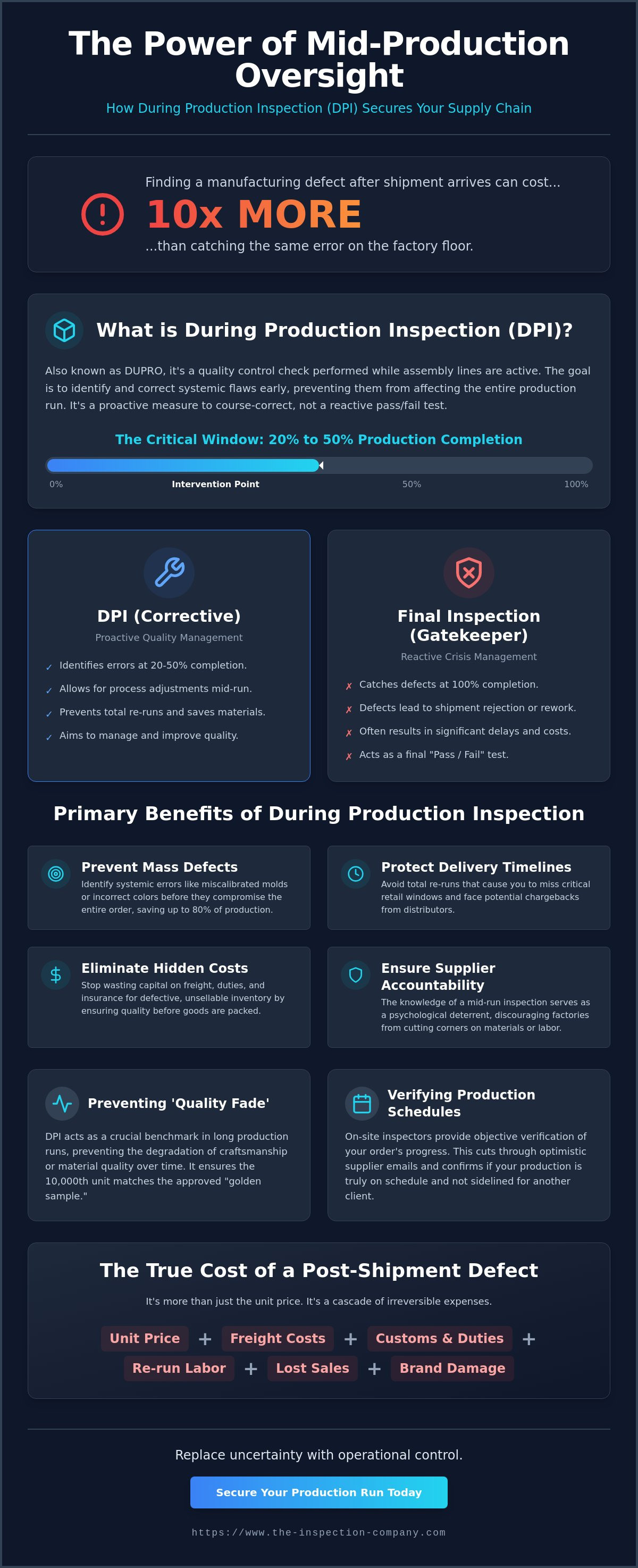
Finding a manufacturing defect after your shipment arrives doesn't just cost you the unit price; it often costs ten times more than catching that same error while goods are still on the factory floor. Most experienced importers accept that some risk is inevitable in international sourcing. However, waiting until the final container is packed to verify quality is a gamble your margins can't afford. You've likely felt the frustration of production delays caused by total re-runs or the sting of wasted shipping costs on defective inventory. Understanding the strategic benefits of during production inspection is the most effective way to replace that uncertainty with operational control.
This article explores how mid-production oversight prevents mass defects, secures your delivery timelines, and eliminates the hidden costs of international trade. It's a shift from reactive quality control to a proactive model of prevention. You'll discover a framework to hold suppliers accountable mid-run and gain real-time visibility into the factory floor. We will outline how this specific intervention ensures zero-defect shipments and protects your brand reputation from the fallout of substandard manufacturing. By the end of this guide, you'll have the tools to secure your supply chain against the most common causes of financial loss.
Key Takeaways
- Learn why the 20% to 50% production stage is the critical window for identifying systematic manufacturing errors before they compromise your entire order.
- Understand the core benefits of during production inspection, specifically how it prevents costly total re-runs and secures your essential retail delivery windows.
- Discover how to integrate mid-production oversight into your Purchase Order terms to establish a clear framework for factory accountability.
- Calculate the true ROI of quality management by evaluating the "Cost of Failure," including freight, customs, and customer acquisition losses.
What is During Production Inspection (DPI)?
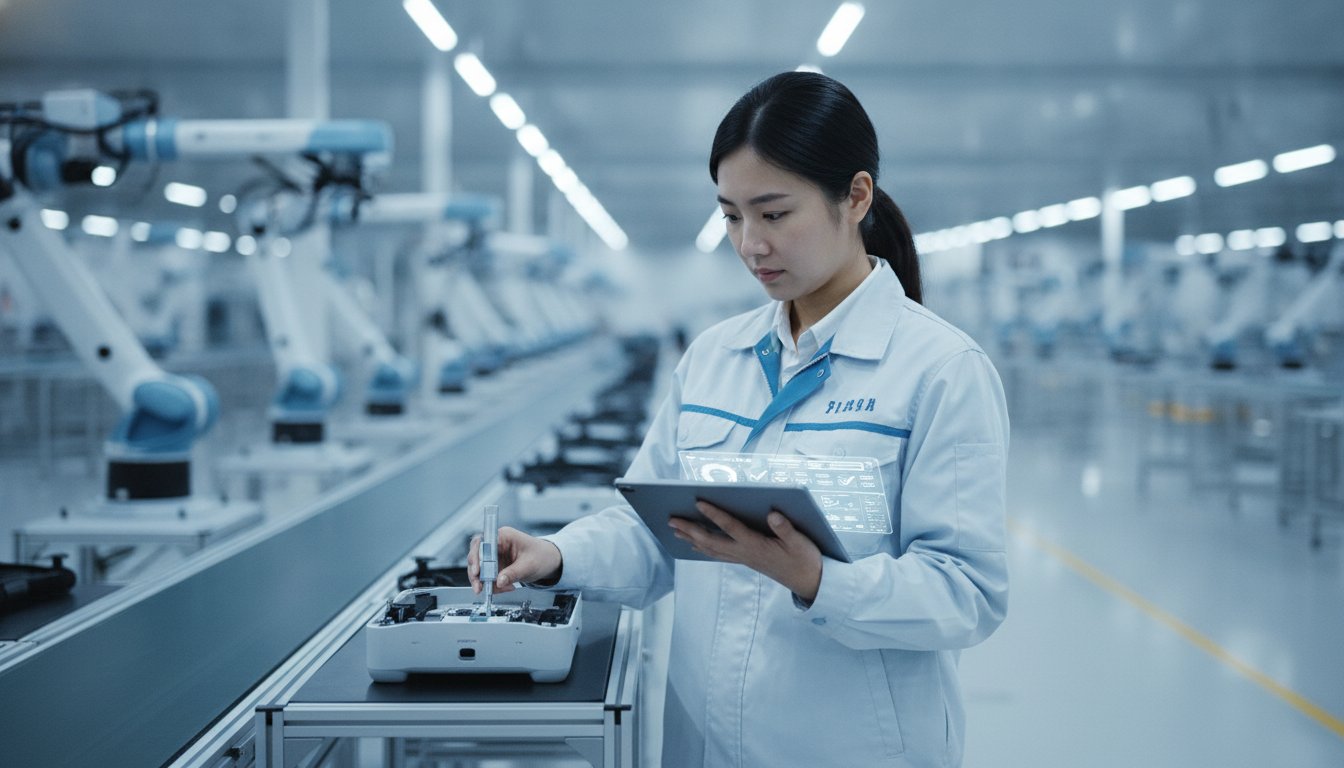
During Production Inspection, frequently referred to in the industry as DUPRO, is a critical quality control measure conducted when approximately 20% to 50% of an order is completed. Unlike a Pre-Production Inspection that focuses on raw materials, or a Pre-Shipment Inspection that evaluates finished goods, DPI occurs while the assembly lines are active. The primary objective is to identify and rectify systematic defects before they propagate through the entire batch. For mass-produced consumer goods, this stage represents the "point of no return." One of the core benefits of during production inspection is the ability to course-correct without discarding the entire production run. A formal Inspection at this juncture provides a transparent view of the factory's adherence to your specifications.
The Difference Between DPI and Final Random Inspection
The fundamental distinction lies in the intent of the check. Pre-Shipment Inspection acts as a gatekeeper; it's a "pass or fail" scenario where discovery of a defect usually leads to a shipment rejection and significant delays. In contrast, DPI is corrective. Catching a mounting issue at 20% completion allows the factory to adjust their processes or rework the small initial batch. If you wait until 100% completion, you're no longer managing quality; you're managing a crisis. This early intervention is why many global brands prioritize mid-run checks to maintain supply chain stability.
Key Components of a Mid-Production Report
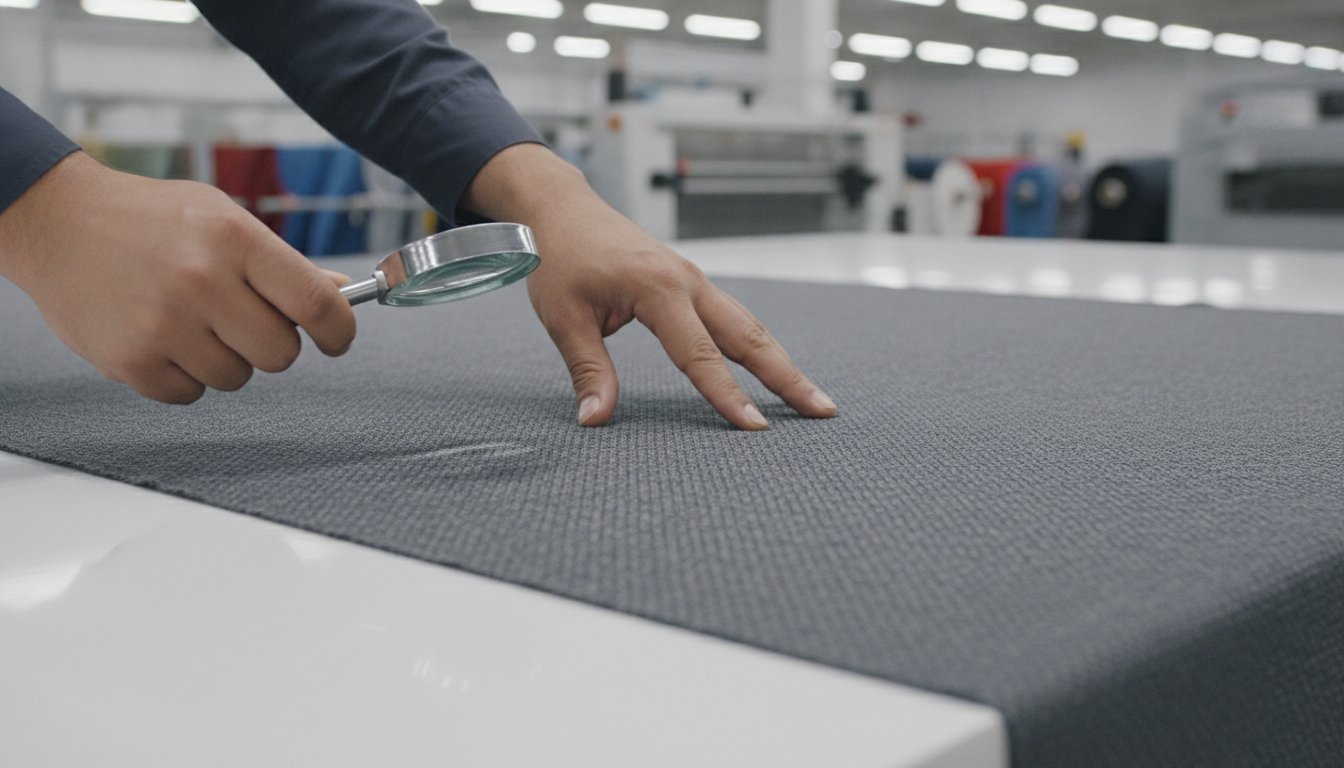
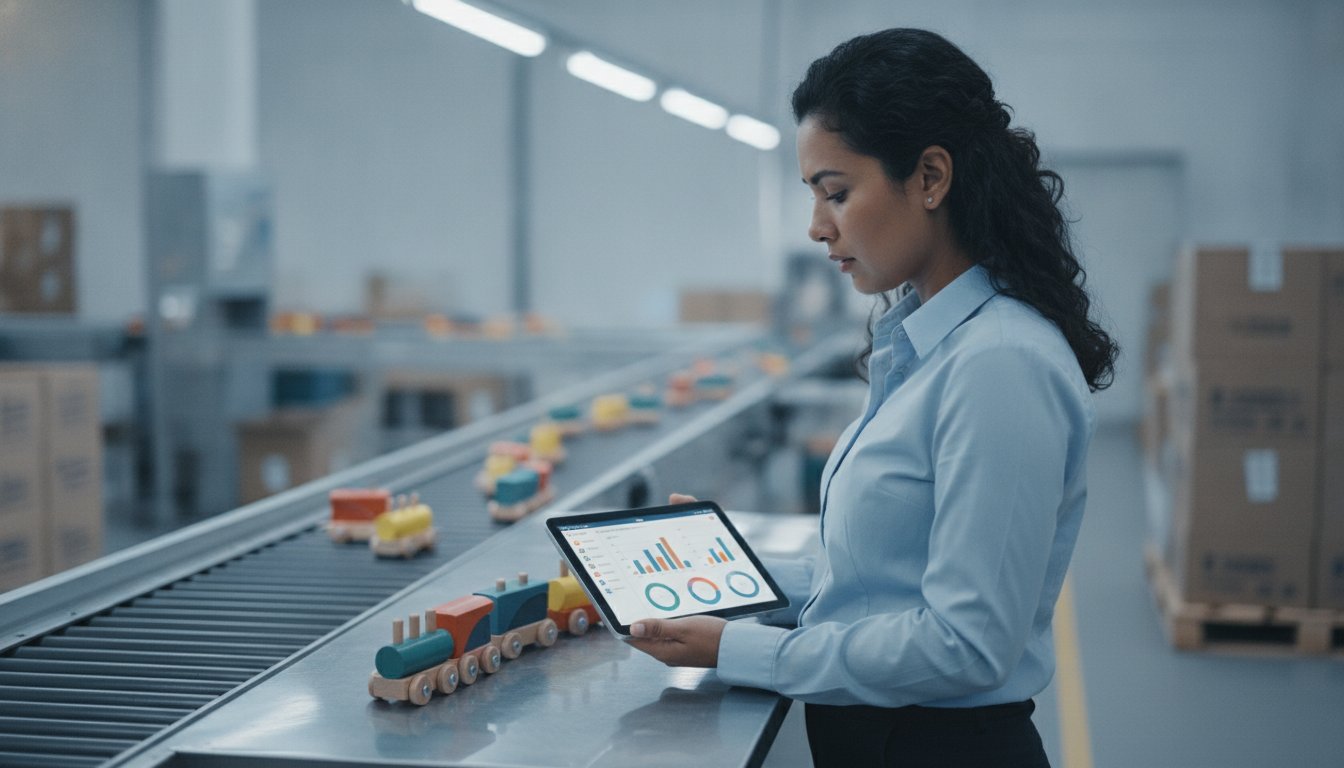
To be effective, a professional inspection report must provide granular data. This includes high-resolution photos of the line, defect classifications (critical, major, and minor), and a verified production status. We define production status as the confirmed percentage of finished versus unfinished goods currently on the factory floor. This ensures the supplier is meeting your timeline and hasn't fallen behind. Understanding these benefits of during production inspection allows you to maintain leverage over the manufacturing process while minimizing the risk of total batch failure.
The Primary Benefits of During Production Inspection
The core value of a mid-run check lies in its ability to halt a disaster before it scales. When systematic errors occur, such as a miscalibrated mold or an incorrect color mix, they don't just affect one unit. They compromise the entire shipment. One of the primary benefits of during production inspection is the immediate identification of these mass defects. This allows the factory to stop the line, recalibrate, and save the remaining 80% of the order before the damage becomes irreversible.
Timeline protection is equally vital for maintaining your market position. If you discover a critical failure only after production ends, you're faced with a total re-run. This typically means missing your retail window and facing potential chargebacks from distributors. By intervening early, you secure your schedule and mitigate costs. Paying for freight, duties, and insurance on defective goods is a financial drain. Catching errors early ensures you aren't wasting capital on unsellable inventory.
Supplier accountability is a psychological deterrent. When factory management knows an inspector will arrive mid-run, they're less likely to cut corners on labor or materials. Establishing this level of transparency is one of the most significant benefits of during production inspection.
Preventing 'Quality Fade' in Long Production Runs
Quality fade is a persistent risk where craftsmanship or material quality degrades as a large order progresses. A factory might use the approved materials for the first 1,000 units but switch to cheaper alternatives for the next 9,000 to increase their margins. DPI acts as a benchmark. It ensures the 10,000th unit matches your golden sample, maintaining brand consistency throughout the entire run.
Verifying Production Schedules and Capacity
Suppliers often provide optimistic updates via email that don't reflect the reality of the factory floor. On-site inspectors provide an objective verification of capacity. They confirm if your order is actually on the assembly line or if it's been sidelined for another client. This level of transparency is essential when sourcing from Asia to manage supplier communication effectively. If you have concerns about your current run, you can request a professional assessment to regain control of your timeline.
Integrating DPI into a Modern Supply Chain Strategy
To maximize the benefits of during production inspection, you must embed these requirements directly into your Purchase Order (PO) terms. Don't leave quality to chance or factory discretion. Specify that a successful During Production Inspection is a prerequisite for subsequent milestone payments. This creates a contractual obligation for the supplier to meet your specific Acceptable Quality Limit (AQL) standards while the line is still active. When these terms are clear from the start, the factory understands that quality is a non-negotiable part of the production schedule.
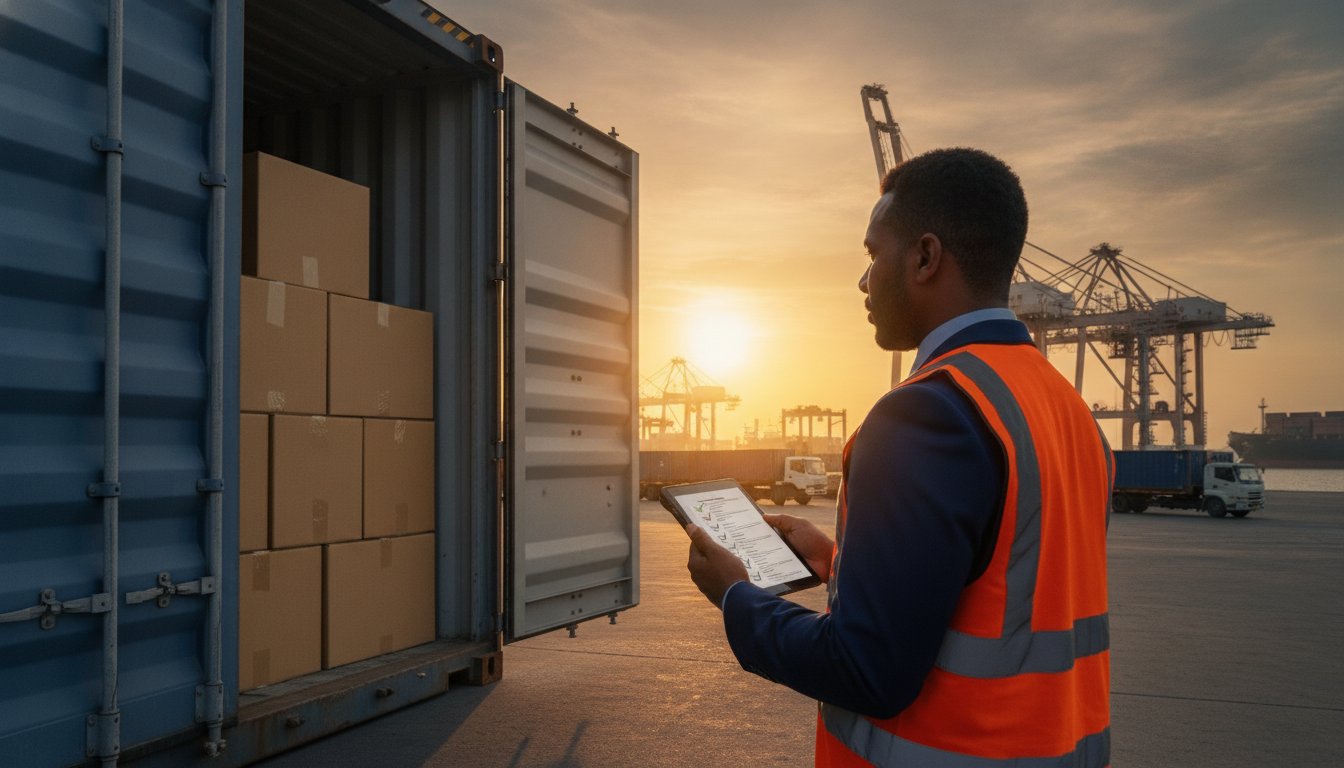
A common mistake in international trade is treating various quality checks as isolated events. In a sophisticated supply chain, DPI findings serve as the foundation for the final Container Loading Inspection. By linking these stages, you ensure that only goods from a verified, corrected batch are ever permitted to enter the shipping container. This creates a closed-loop system of accountability. If a factory fails to meet mid-run standards, they have the immediate opportunity to fix issues before the final gatekeeping stage, ensuring that your logistics costs aren't wasted on defective inventory.
DPI for Amazon FBA and E-commerce Sellers
E-commerce success depends on strict adherence to platform-specific requirements. For sellers, an Amazon FBA Inspection conducted mid-production allows you to verify labeling, barcoding, and poly-bagging specifications before thousands of units are sealed. Correcting a labeling error at the 30% mark is a minor adjustment. Doing it after the order is packed and ready for dispatch is a logistical nightmare that often leads to warehouse rejections and account health issues. One of the strategic benefits of during production inspection is this granular control over packaging compliance.
The Role of Third-Party Inspection Companies
Relying on factory self-reports is a high-stakes gamble that rarely pays off. Independent 3rd party inspection companies provide the objective, unbiased data necessary for informed decision-making. A local presence in manufacturing hubs allows for rapid deployment and a deeper understanding of regional factory culture. This localized expertise ensures your interests are protected by professionals who aren't on the factory's payroll. To secure your next production run and eliminate supply chain friction, consult with our quality management experts today.
The ROI of Professional Mid-Production Oversight
Calculating the true return on investment for quality management requires looking beyond the immediate service fee. You must account for the "Cost of Failure." This compounded loss includes the base product cost, non-refundable ocean freight, customs duties, and the wasted Customer Acquisition Cost (CAC) associated with every returned item. When a defect reaches the customer, your financial loss is often total. One of the most measurable benefits of during production inspection is its role as a high-yield insurance policy. Preventing even a 5% defect rate on a high-value shipment pays for the inspection many times over by stopping the production of unsellable goods.
Detailed reporting also serves as your primary defense in commercial disputes. If a manufacturer fails to meet the agreed-upon specifications, you need objective, third-party evidence to trigger indemnity clauses or insurance claims. Without this documentation, you have little leverage to demand reworks or refunds once the final payment is released. Moving from reactive damage control to proactive quality assurance transforms your supply chain from a source of anxiety into a predictable, scalable asset. You stop being a passive recipient of whatever the factory ships and start being an active manager of your production standards.
Building Long-Term Supplier Partnerships
Consistent oversight does more than catch errors; it fosters a culture of quality at your partner factories. When factory management understands that their output is monitored mid-run, they naturally prioritize your orders and maintain higher craftsmanship standards. This transparency is a cornerstone of a healthy Supplier Management Process. Over time, this reduces the need for constant corrections and builds a more reliable manufacturing foundation for your brand's growth.
Next Steps: Securing Your 2026 Production
To secure your upcoming production runs, you simply need to provide your inspection partner with your technical specifications, Purchase Order details, and factory contact information. We recommend scheduling the visit as soon as the factory confirms the production start date. This ensures our team is on-site at the optimal 20% to 50% completion window. During Production Inspection is the most effective tool for timeline and quality security in international trade.
Take Control of Your 2026 Supply Chain
Securing your international sourcing operations requires a move away from reactive damage control. By implementing mid-production oversight, you ensure that systematic defects are corrected before they compromise your entire order. This proactive approach protects your retail windows and eliminates the wasted capital of shipping defective goods. It's no longer enough to hope for the best at the container loading stage; real-time visibility is the only way to guarantee that your specifications are met from the first unit to the last. Understanding the strategic benefits of during production inspection is the first step toward a more resilient and predictable manufacturing process.
Our team provides the localized expertise needed to manage these high-stakes operations. With over 700 certified inspectors across Asia and a European management structure, we maintain international quality standards on every factory floor. You'll receive detailed reports with high-resolution photos delivered within 24 hours of the inspection. This rapid transparency allows you to make informed decisions without delaying your production schedule. Secure your production run and prevent costly defects; contact our experts today to safeguard your margins and ensure a zero-defect shipment.
Frequently Asked Questions
What is the difference between DPI and Pre-Shipment Inspection?
The primary difference lies in the timing and the objective of the quality check. While a Pre-Shipment Inspection acts as a final gatekeeper for finished goods, a During Production Inspection occurs when only 20% to 50% of the order is complete. This earlier intervention allows you to identify and fix systematic errors before the entire batch is finished. It transforms quality management from a "pass or fail" scenario into a corrective process.
When is the best time to schedule a During Production Inspection?
You should schedule this service when the factory has completed between 20% and 50% of your total order. This specific window is critical because it's early enough to rework defective units without restarting the entire production run. It also ensures the assembly line is fully operational. This allows inspectors to verify the factory is maintaining the craftsmanship of the initial golden sample throughout the mass production phase.
Can a During Production Inspection prevent shipping delays?
Yes, this process is one of the most effective ways to secure your delivery timeline. By catching defects mid-run, you avoid the total re-run scenario that occurs if failures are only discovered at the final stage. One of the key benefits of during production inspection is that it provides an early warning system. This allows for immediate corrections, ensuring your shipment stays on track for its scheduled departure.
How much does a professional production inspection cost?
The total cost depends on the location of the factory, the complexity of your product, and the number of man-days required to complete the check. Most third-party agencies charge a flat rate per inspector per day. While this represents an upfront investment, it acts as a preventative measure against the much higher costs of shipping defective goods, customs storage fees, and the loss of customer trust.
Is DPI necessary if I already have a trusted supplier?
Even the most reliable suppliers can experience internal issues like staff turnover, equipment calibration errors, or quality fade over long production runs. Trust is a valuable component of a partnership, but objective verification is essential for risk mitigation. Implementing a mid-production check ensures your supplier remains accountable to your standards for every single order, regardless of your past history with the factory management.