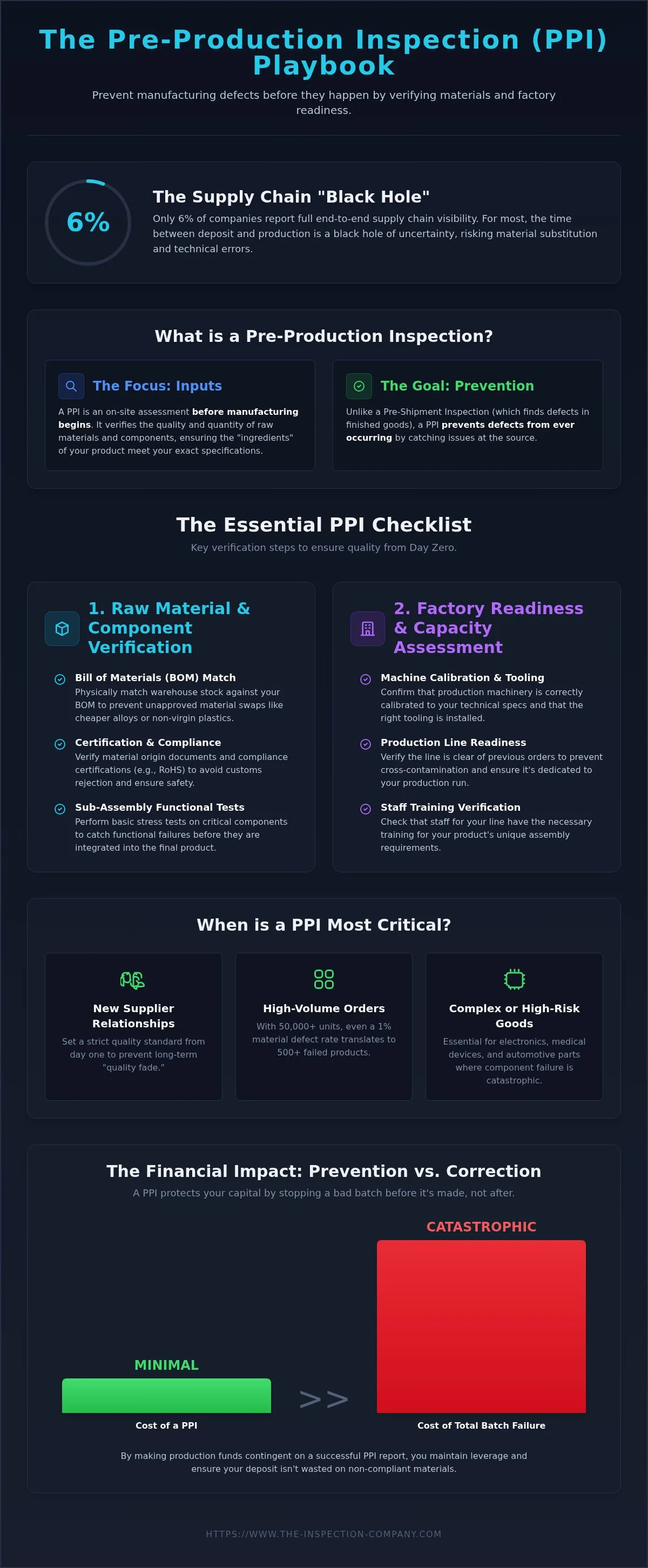
Only 6% of companies report having full end-to-end visibility of their supply chains in 2026. For most brands, the period between sending a deposit and receiving the first mass-production sample is a black hole of uncertainty. You've likely worried about a supplier substituting cheaper materials to pad their margins or a factory using uncalibrated machinery that ruins your entire batch. It's a valid concern because technical misunderstandings often lead to total failure before a single unit is finished. Implementing a rigorous pre-production inspection is the only way to close these visibility gaps before they become expensive liabilities.
This article explains how a pre-production inspection identifies material risks and verifies factory readiness to ensure your 2026 manufacturing run starts with zero defects. We'll look at how to secure your raw material quality, confirm the production line is actually prepared for your specs, and gain the peace of mind needed to release your next payment milestone with confidence. By the end, you'll know how to mitigate operational friction before the first machine starts running.
Key Takeaways
- A pre-production inspection allows you to verify raw materials and factory readiness before manufacturing begins, shifting your focus from fixing defects to preventing them.
- Match physical stock against your Bill of Materials (BOM) and conduct functional tests on sub-assemblies to ensure the factory is using the exact components you paid for.
- Schedule an inspection for new supplier relationships or complex goods to establish a strict quality standard and prevent long-term "quality fade."
- Utilize a network of 700+ local inspectors to receive detailed reports within 24 hours, giving you the data needed to make "Go/No-Go" decisions in real-time.
What is a Pre-Production Inspection (PPI)?
A pre-production inspection (PPI) is an on-site assessment performed before manufacturing begins to verify raw materials, components, and factory readiness. Within the broader framework of Quality control, this stage is unique because it focuses on the ingredients rather than the finished product. While a pre-shipment inspection identifies defects in finished goods, a PPI allows you to correct issues before any value is added to the materials. A pre-production inspection serves as the ultimate safeguard against material substitution and technical misunderstanding that could otherwise jeopardize an entire manufacturing cycle.
Many factories engage in material swapping, where they replace approved components with cheaper alternatives to increase their margins. This input-focused philosophy ensures that the foundation of your product meets the required specifications. A PPI technician typically verifies:
- Physical stock against the Bill of Materials (BOM)
- Raw material certification and origin documents
- Correctness of technical specifications for sub-assemblies
- Machine calibration and factory line readiness
PPI vs. First Article Inspection (FAI)
While both are essential, they serve different functions. FAI focuses on the first units off the line to confirm the manufacturing process is correct. In contrast, PPI examines the raw materials waiting to be used. For complex electronics or high-precision industrial parts, you'll need both to ensure that high-quality inputs are matched with a validated production process. It's the difference between checking the clay and checking the first pot.
The Financial Case for Pre-Production Checks
Stopping a production run at 0% completion is significantly cheaper than discovering a total batch failure at 100%. A PPI acts as a critical milestone for protecting your capital. By making the release of production funds contingent on a successful report, you maintain leverage over the supplier. This prevents the bad batch scenario where your deposit is already spent on materials that don't meet your technical specifications.
The Essential Pre-Production Inspection Checklist
Manufacturing 67% of products as "extremely complex" in 2026 requires more than just a final check. A pre-production inspection validates that the factory isn't hiding lower-quality bulk materials behind a perfect "Golden Sample." This process ensures the transition from prototype to mass production doesn't sacrifice quality for speed. It's about verifying the raw inputs before they become costly finished-product mistakes. By auditing the warehouse before the first machine starts, you eliminate the risk of the factory cutting corners to save on material costs.
Verifying Raw Materials and Components
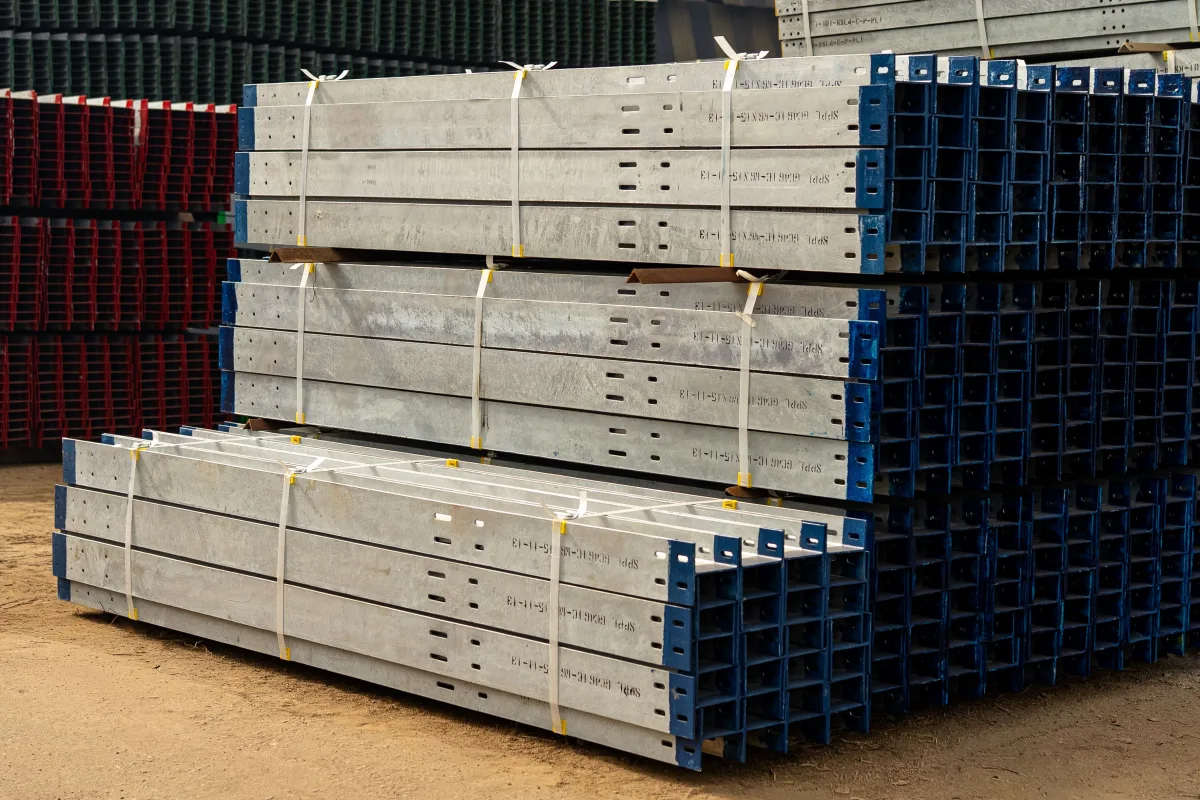
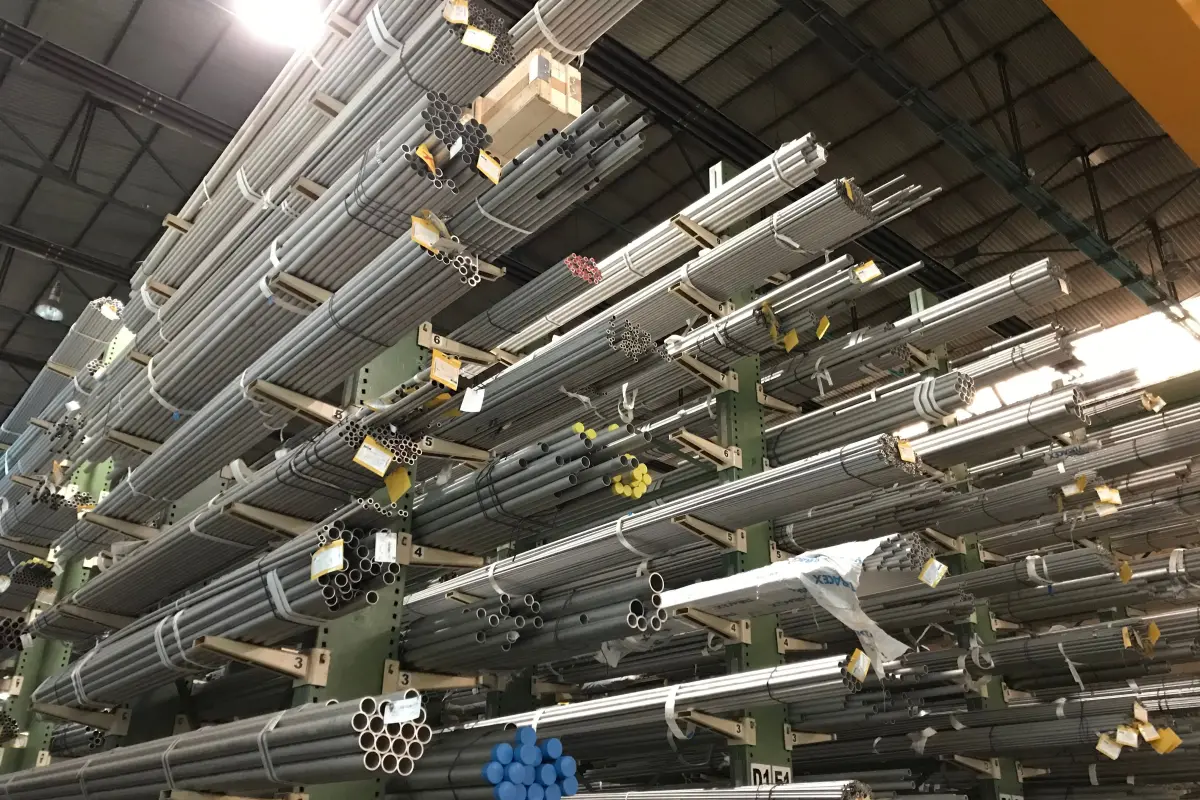
Inspectors match the physical stock in the warehouse against your Bill of Materials (BOM). This step prevents common material swaps, such as substituting high-grade alloys with cheaper, brittle recycled metals or using non-virgin plastics. We also verify RoHS compliance to ensure your goods won't be rejected at international customs due to hazardous substances. Basic stress tests on critical sub-assemblies are performed during this stage to catch functional failures before they're buried deep within the finished product.
Assessing Factory Readiness and Capacity
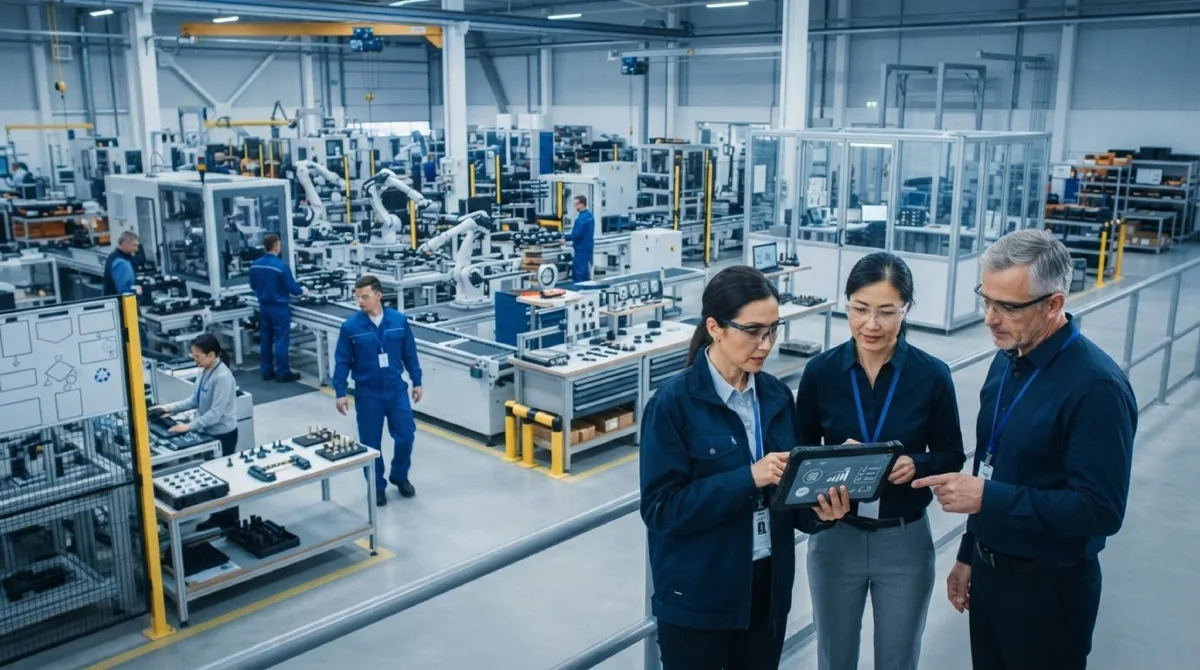
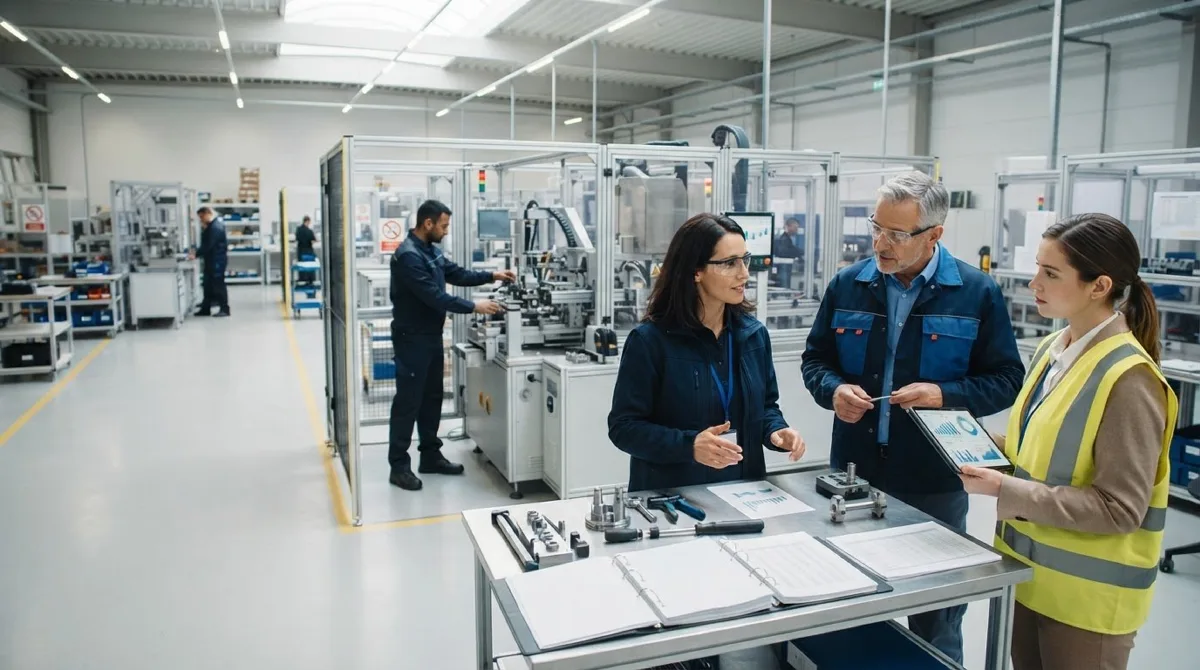
Is the production line actually ready for your order? A thorough audit confirms that specific tooling is installed and machinery is calibrated to your technical specs. We verify that the line is clear of previous orders to prevent cross-contamination or mixed batches. Our inspectors also check that the staff on your specific line have received the necessary training to handle your product's unique assembly requirements. Ensuring these operational details are handled now prevents friction during the production cycle. If you're concerned about your supplier's current state of readiness, you can speak with our regional experts to arrange a site visit. This proactive approach is the core of a successful pre-production inspection strategy.
When Should You Schedule a PPI?
A pre-production inspection is most critical when establishing new supplier relationships. You must set a quality floor from day one to prevent future misunderstandings. High-volume orders also demand this level of scrutiny. If you're producing 50,000 units, even a 1% defect rate in raw materials translates to 500 failed products and thousands of lost dollars. Complex goods like electronics, medical devices, and automotive parts require this material-level verification because a single substandard component can lead to catastrophic field failures and costly recalls.
The 2026 shift toward sourcing in Vietnam, India, and Thailand introduces a steep learning curve for many importers. These emerging hubs often lack the mature quality ecosystems found in more established manufacturing regions. Conducting a pre-production inspection in these locations identifies whether a factory truly understands your technical specs before they waste your capital. It bridges the gap between your international standards and their local operational reality, ensuring your first run in a new region isn't your last.
The Risk of 'Quality Fade' in Long-Term Partnerships
Trusted suppliers aren't immune to errors or cost-cutting pressures. Over time, factories may switch component sub-vendors to lower their own overhead. A PPI ensures the materials remain consistent with the standards established during your initial factory audit. It acts as a recurring health check for your supply chain, confirming that "business as usual" still meets your requirements.
Managing Tight Deadlines and New Product Launches
New product launches leave zero room for error. A PPI identifies "bottleneck" materials that are missing or substandard before they delay your entire marketing schedule. Catching a material shortage early allows for corrective action without pushing back your launch date. Ready to secure your production? Contact TIC for a pre-production quote and gain the eyes and ears you need on the factory floor.
Actionable Insights: Interpreting Your PPI Report
Receiving a pre-production inspection report is your final opportunity to pivot before mass production begins. We deliver these detailed reports within 24 hours, allowing you to make critical Go/No-Go decisions in real-time. This speed prevents factory downtime while ensuring you don't compromise on quality. Our European management team translates complex technical findings into clear business risks, bridging the cultural and technical gap between your office and the factory floor.
You'll need to distinguish between Major and Minor discrepancies within the report. A Major discrepancy, such as a material swap involving non-compliant alloys or uncertified plastics, requires immediate rejection of the batch. A Minor discrepancy might involve slight aesthetic variations in raw components that don't affect the final product's integrity or safety. Understanding these nuances helps you manage your supplier without causing unnecessary delays.
How to Handle a 'Failed' Pre-Production Inspection
A failed report isn't a dead end; it's a powerful negotiation tool. You should demand a Corrective Action Plan (CAP) that forces the factory to replace substandard materials at their own expense before the line starts. Re-inspections are vital here to verify that the factory has actually followed through on the agreed changes. This disciplined approach ensures the supplier management process remains focused on your original specifications.
The TIC Quality Platform: Real-Time Transparency
Our digital platform provides instant access to high-resolution photos and testing data from any device. You'll see exactly what our inspectors see in the warehouse, providing total transparency into the factory's readiness. This data-driven oversight gives you the confidence needed to release the next payment milestone. If you're ready to protect your investment with professional oversight, speak with our European management team today to secure your 2026 production run.
Securing the Foundation of Your 2026 Supply Chain
A successful manufacturing run isn't a matter of luck; it's the result of rigorous oversight. By implementing a pre-production inspection, you eliminate the threat of material substitution and ensure your factory is truly prepared to meet your technical specifications. This proactive approach turns your quality control strategy into a preventative investment rather than a reactive expense. You'll gain the transparency needed to release deposits and start production with absolute confidence.
The Inspection Company provides the local presence required to safeguard your interests across Asia. With European management overseeing a network of 700+ local inspectors, we act as your eyes and ears on the factory floor. Our detailed reports are delivered within 24 hours, giving you the data required to prevent costly operational friction before it begins. Don't leave your product quality to chance or trust alone.
Secure Your 2026 Production Run - Contact Our Inspection Experts
Your brand's reputation depends on the integrity of your materials. We're here to help you protect it.
Frequently Asked Questions
What is the main difference between a PPI and a during-production inspection?
A pre-production inspection focuses on the "inputs" like raw materials and factory readiness before assembly begins. In contrast, a during-production inspection occurs when about 20% to 50% of the goods are finished. While the PPI prevents defects from the start, the during-production check identifies issues in the actual manufacturing process. Both stages are essential for maintaining quality standards throughout the entire production cycle.
How long does a pre-production inspection usually take?
A standard inspection typically takes one man-day to complete on-site at the factory. The exact duration depends on the complexity of your Bill of Materials and the volume of raw materials that need verification. Once our inspector completes the site visit, you'll receive a comprehensive report with high-resolution photos within 24 hours. This rapid turnaround ensures your production timeline isn't delayed by the quality control process.
Can a PPI detect if a factory is using 'B-grade' raw materials?
Yes, detecting material substitutions is a primary goal of this service. Our inspectors match physical stock against your approved samples and technical specifications to identify "B-grade" or recycled materials. We verify material certifications and perform basic stress tests on sub-assemblies. This level of scrutiny prevents factories from padding their margins by using cheaper, substandard components that would eventually lead to product failure or safety issues.
Is a pre-production inspection necessary for Amazon FBA sellers?
It's highly recommended for Amazon sellers who need to protect their account health and avoid costly rejections at fulfillment centers. A pre-production inspection ensures that the raw materials and components meet Amazon's strict quality standards before manufacturing starts. Catching errors early is much more cost-effective than dealing with negative reviews or "unsellable" inventory. We offer specialized Amazon FBA services to help sellers navigate these specific requirements.
What happens if the factory refuses to allow a PPI?
A factory's refusal to allow an on-site inspection is a major red flag that often indicates hidden quality issues or lack of readiness. You should maintain leverage by making the inspection a mandatory milestone for releasing your next payment. If a supplier resists transparency, it's often better to pause the order than to risk a total batch failure. Our European management team can help communicate these requirements to your supplier.