Pressure vessels and tanks are rarely off-the-shelf products. Each one is fabricated to a specific design, which means each one carries its own risks. A nozzle a few degrees out of position or a weld with hidden porosity can look perfectly fine on the shop floor, then turn into costly rework or a failed test once the vessel reaches site.
This guide is written for importers, EPC contractors and procurement teams buying vessels, storage tanks and heat exchangers from fabricators in China and the rest of Asia. It explains what an independent inspection covers, why each check matters, which defects most often cause trouble, and how to match the inspection stage to your fabrication schedule. For a summary of the service itself, see our pressure vessel and tank inspection services page.
Key Takeaways
- Every vessel is built one at a time, so each unit should be checked against your purchase order, the approved drawings, the referenced code and its test records.
- The most common problems are material that does not match its certificate, nozzles outside the drawing, weld defects, failed or poorly documented pressure tests, and damage in packing or loading.
- Problems with material, fit-up and welding are cheapest to fix before the vessel is tested and painted, so many buyers combine two or more inspection stages.
- An independent inspection gives you a photo-backed report within 24 hours of the inspection, so you can decide on payment and shipment with evidence in hand.
Why Vessels and Tanks Need Their Own Checks
With mass-produced goods, a sample from a batch tells you a lot about the rest. Pressure vessels and tanks do not work that way. They are built to a specific design, often in small numbers, and every unit can fail in its own way. A plate or forging may not match its certificate. A nozzle may be in the wrong orientation. A weld may need repair, a shell may be out of round, or a test may never have been properly witnessed.
The right question is therefore not whether the supplier is generally good, but whether this particular vessel matches what you ordered. That means checking it against four references:
- Your purchase order: the commercial and technical requirements you agreed with the fabricator.
- The approved drawings: the dimensions, nozzle positions and details the design depends on.
- The referenced code: the code named in your order, which sets what the vessel must meet.
- The test records: the evidence that welds, pressure tests and materials were handled as required.
Where the order requires it, the pressure test should also be witnessed. The best time to do all of this is at the fabrication shop, before the vessel is painted, preserved and shipped. After that point, fixing a fault means cutting into finished work, or paying for rework on site, far from the fabricator and often under schedule pressure.
Every Equipment Type Needs Its Own Checklist
A process column, a storage tank and a heat exchanger are designed differently and fail in different ways. A single generic checklist will miss things. Our inspectors work to the checklist that matches what you are actually buying.
Pressure Vessels
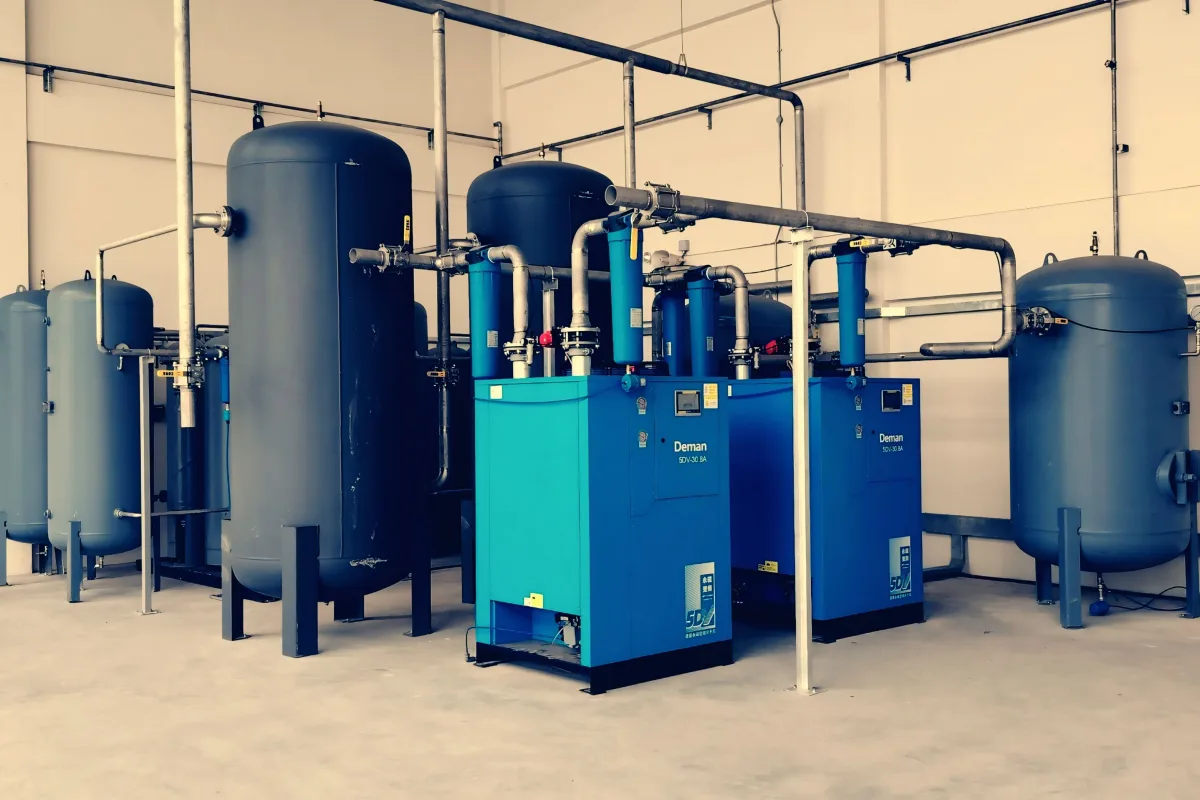
This group covers columns, reactors, separators, drums and air receivers. The focus is on shell and head material traceability, weld condition and NDT records, nozzle orientation and projection, and pressure test results.
Storage Tanks
For shop-fabricated storage tanks and tank components, the checks centre on plate thickness and dimensions, weld seams and leak testing, fittings, manways and accessories, and internal and external coating.
Heat Exchangers
For shell-and-tube and other heat exchanger types, inspectors look at tube, tubesheet and baffle condition, tube-to-tubesheet joints, shell-side and tube-side test results, and nozzle and support dimensions.
Skids, Supports and Accessories
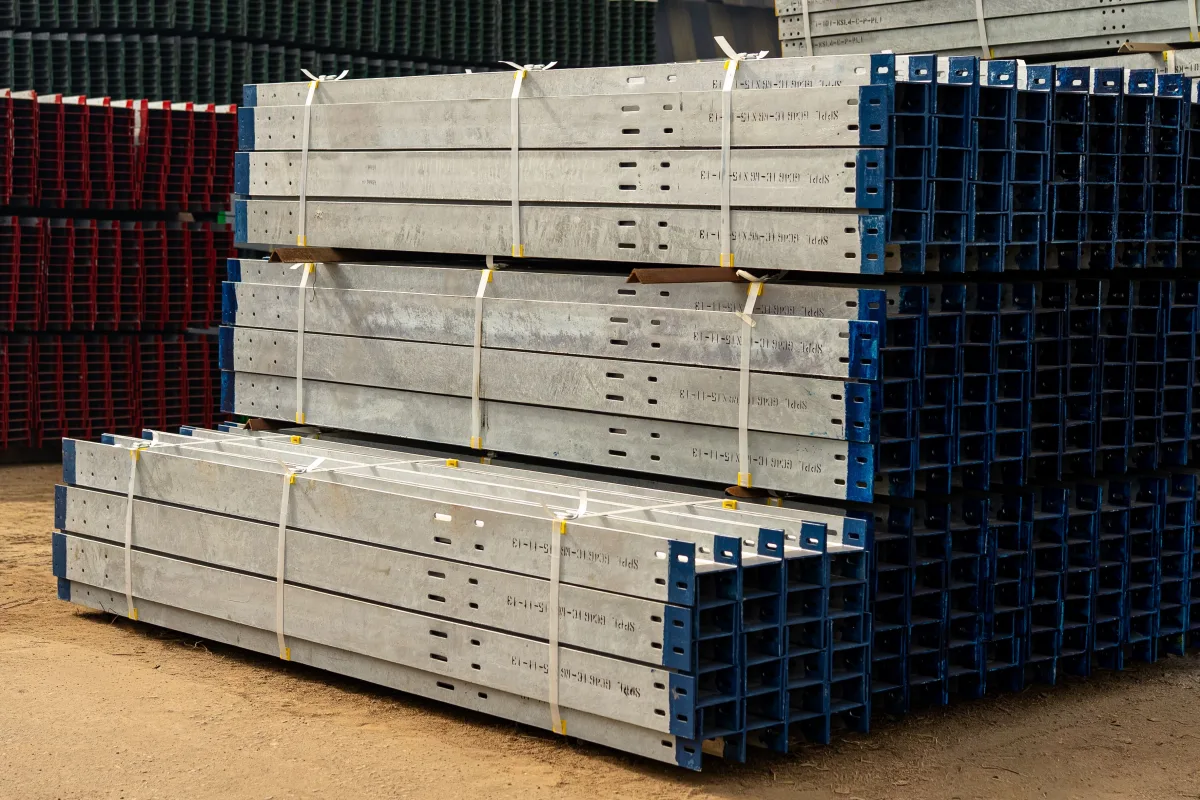
Saddles, skirts, ladders, platforms and other accessories are easy to overlook, yet they must fit on site. Checks cover dimensions against the drawing, lifting lugs and attachment welds, coating and corrosion protection, and marking, preservation and packing.
If you are not sure whether your equipment fits one of these groups, send the purchase order or drawings and we will confirm what can be covered.
What an Inspector Checks and Why It Matters
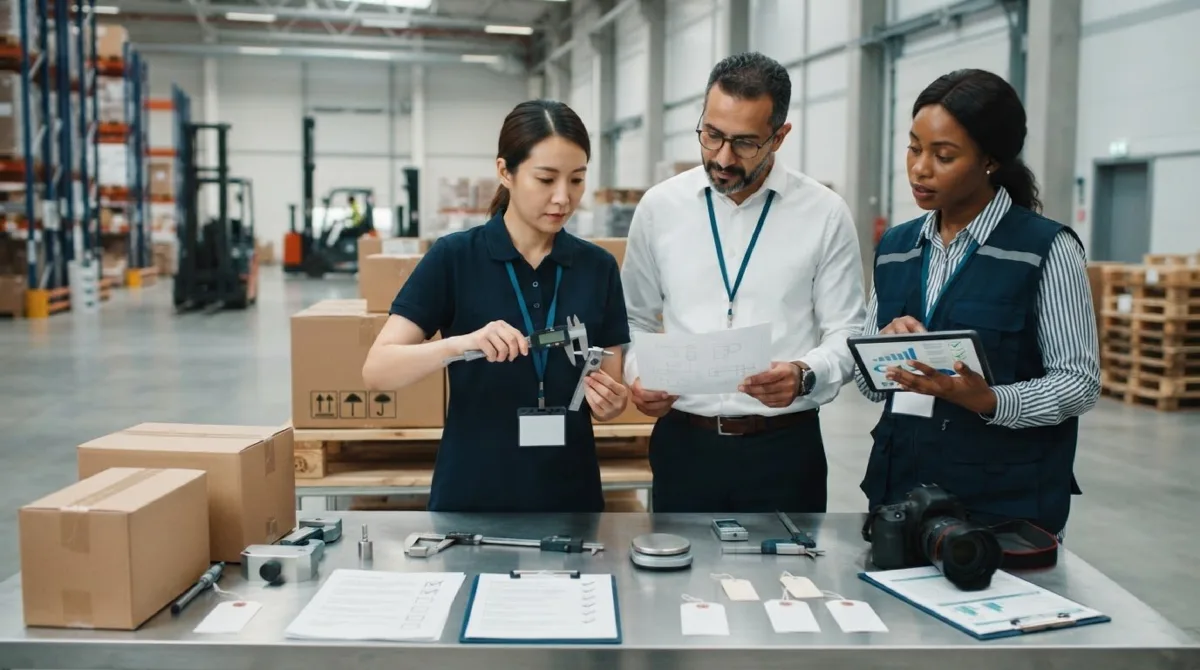
Every inspection is set up against your purchase order, the approved drawings and the referenced code. A typical pressure vessel and tank checklist covers the following points, and each one exists for a practical reason.
Material Verification
Plate and forging certificates are checked against heat numbers and the specified grade. This matters because material that does not match its certificate is a fundamental problem: you cannot see it by looking at a finished vessel, and it is rarely something a simple repair can fix.
Dimensions and Orientation
Shell diameter, length, nozzle orientation, projection and elevation are checked against the drawing. Piping and structure on site are built around those positions, so a nozzle outside the drawing can mean modified pipework or a vessel that does not fit its foundation.
Welding
The inspector checks visual weld condition, and reviews NDT reports and welding documents where required. Welds hold the pressure, and defects such as undercut, porosity or incomplete fusion can go unnoticed until a test or, worse, until the vessel is in service.
Pressure Testing
Where the order requires it, hydrostatic or pneumatic tests are witnessed, or the test records are reviewed. A test is only valuable if it is properly carried out and recorded. A test with no proper records leaves you with no evidence that the vessel did what the specification demands.
Shell Condition and Internal Cleanliness
Out-of-roundness, dents, arc strikes and surface damage are checked on the shell. Inside surfaces are checked for debris, spatter, scale and moisture before the vessel is closed. Anything left inside a closed vessel travels with it, and removing it later can be difficult.
Nameplate and Marking
Design data, serial number and required markings should be on every unit. Missing or incorrect nameplate data creates documentation problems that can hold up acceptance, even when the vessel itself is sound.
Coating, Preservation and Packing
Surface preparation, coating thickness, nozzle covers and transport saddles are checked. A vessel that passes every technical test can still arrive damaged if openings are uncovered or supports are inadequate for transport.
Whether you need a single final inspection or oversight across a full fabrication schedule, the checklist is built around your purchase order and the code it references.
Defects to Catch Before the Order Ships
These are the findings that most often turn into rework, failed site tests or delays when nobody looks before shipment:
- Plate or forging material that does not match the certificate.
- Nozzle orientation, projection or elevation outside the drawing.
- Weld defects such as undercut, porosity or incomplete fusion.
- Out-of-round shell, dents or arc strikes.
- A failed pressure test, or a test without proper records.
- Debris, spatter or moisture left inside the vessel.
- Coating that is too thin, damaged or applied on poor surface preparation.
- Missing or incorrect nameplate data.
- Open nozzles, missing covers or inadequate transport saddles.
Notice how many of these are invisible once the vessel is painted and packed. That is the case for inspecting at the shop. A finding made before shipment is a conversation with your supplier. The same finding made at your site is a delay, a dispute and a cost that is hard to recover.
Which Inspection Stage Do You Need?
Material, fit-up and welding problems are cheapest to fix before the vessel is tested and painted. Most buyers combine two or more of the following stages across a fabrication schedule.
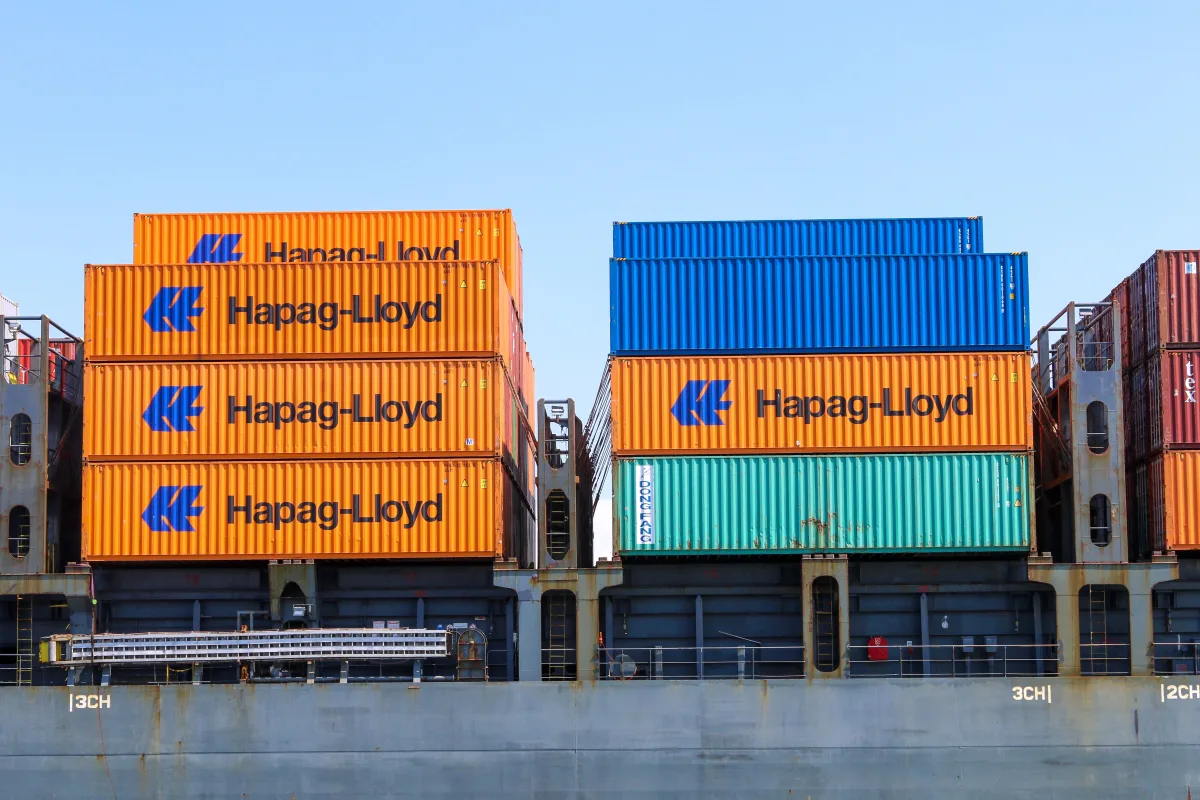
A simple way to choose is to ask where your biggest exposure lies. If the project depends on specific materials, start before production. If the fabricator is new to you, add a check during production. If you are about to release payment, the final check is essential. And if the equipment travels by container, loading supervision protects what you have already paid to inspect.
If you are working with a fabricator for the first time, a factory audit can also help you understand the supplier before you place the order.
How TIC Supports Vessel and Tank Buyers
The Inspection Company (TIC) was founded in 2007 with European management. Today we work with more than 700 professional inspectors across Asia, with service coverage in more than 25 countries. Tell us your factory location and we will confirm availability.
A few points are worth asking any inspection provider about, and here is how we answer them:
- Independence: TIC is an ISO/IEC 17020 accredited Type A inspection body, which means we are independent of the factories we inspect.
- Management systems: we are ISO 9001:2015 certified and ISO/IEC 27001 certified for information security, and we are a member of Sedex and CNAS.
- Integrity: inspectors sign an anti-bribery contract after every inspection.
- Reporting: we provide a quick report the same day as the inspection and the detailed photo-backed report within 24 hours.
- Sampling: where applicable, we work with ISO 2859 (AQL) sampling.
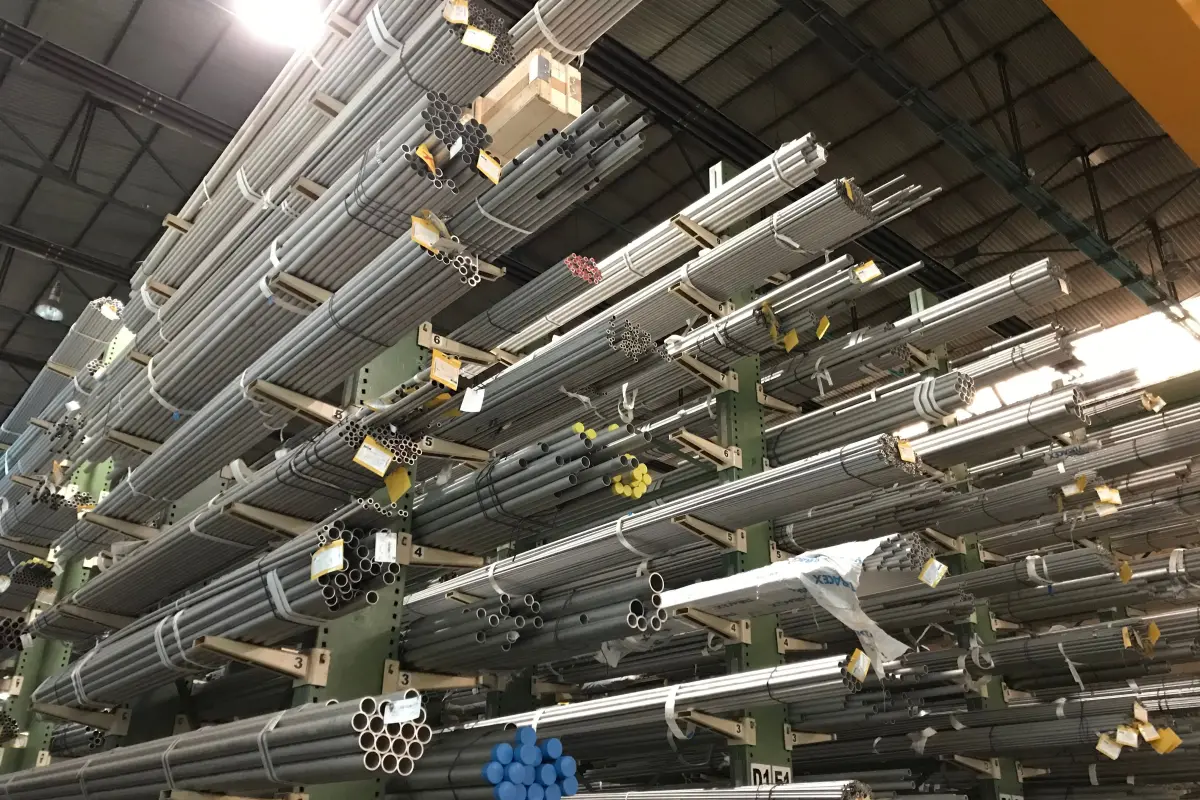
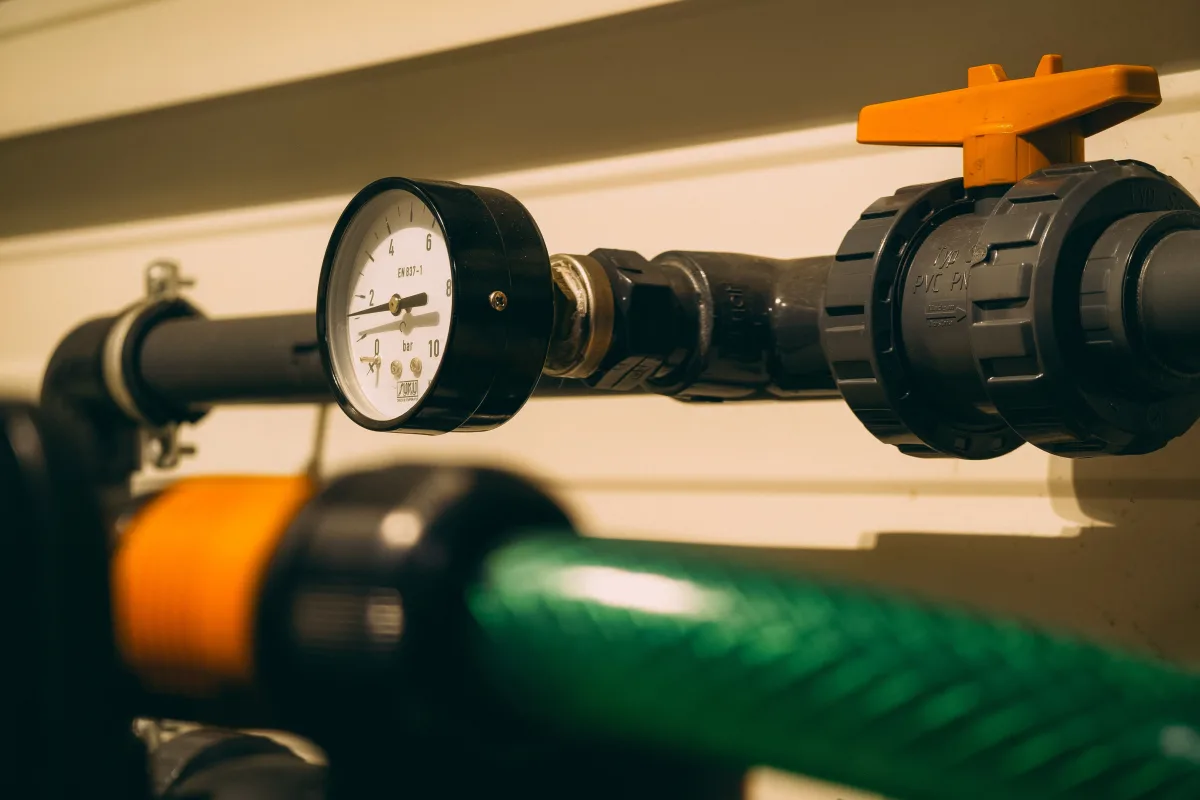
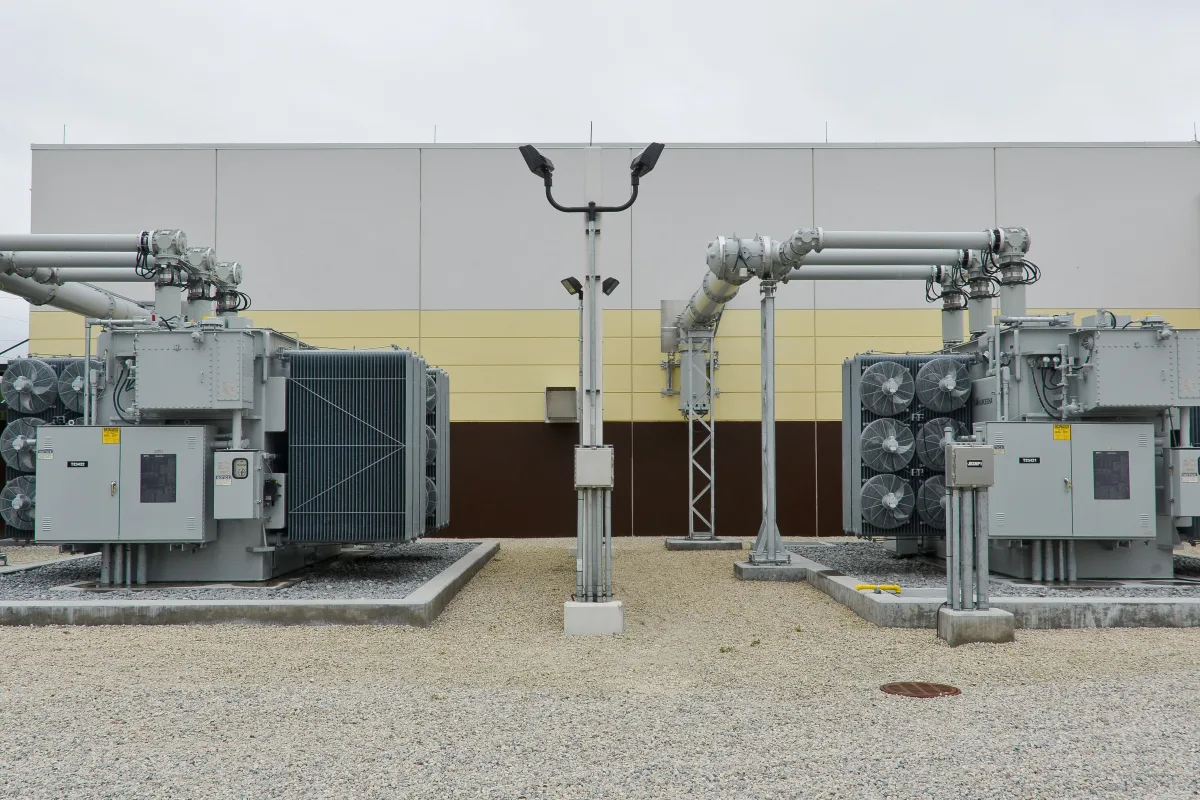
Pressure vessels and tanks sit within a wider group of energy and industrial equipment. If your order also includes pipes, fittings and flanges or valves and wellhead equipment, the same approach applies, and our oil, gas and power equipment inspection page gives the wider picture. For fabricated frames and supports, see steel structure inspection.
On cost, most inspections are priced per man-day and depend on equipment type, quantity and location. The best way to get a number is to ask for a quote.
Conclusion
Pressure vessels and tanks are built one at a time, and a problem that is invisible on the shop floor can become an expensive failure on site. Checking each unit against your purchase order, the approved drawings, the referenced code and its test records, and doing it before painting and shipping, is the most reliable way to keep that risk under control.
If you are planning an order, our team can tell you what it actually needs, from material verification to witnessed pressure tests and loading supervision. Learn more about our pressure vessel and tank inspection service, then get a free quote or contact our team to book your inspection.