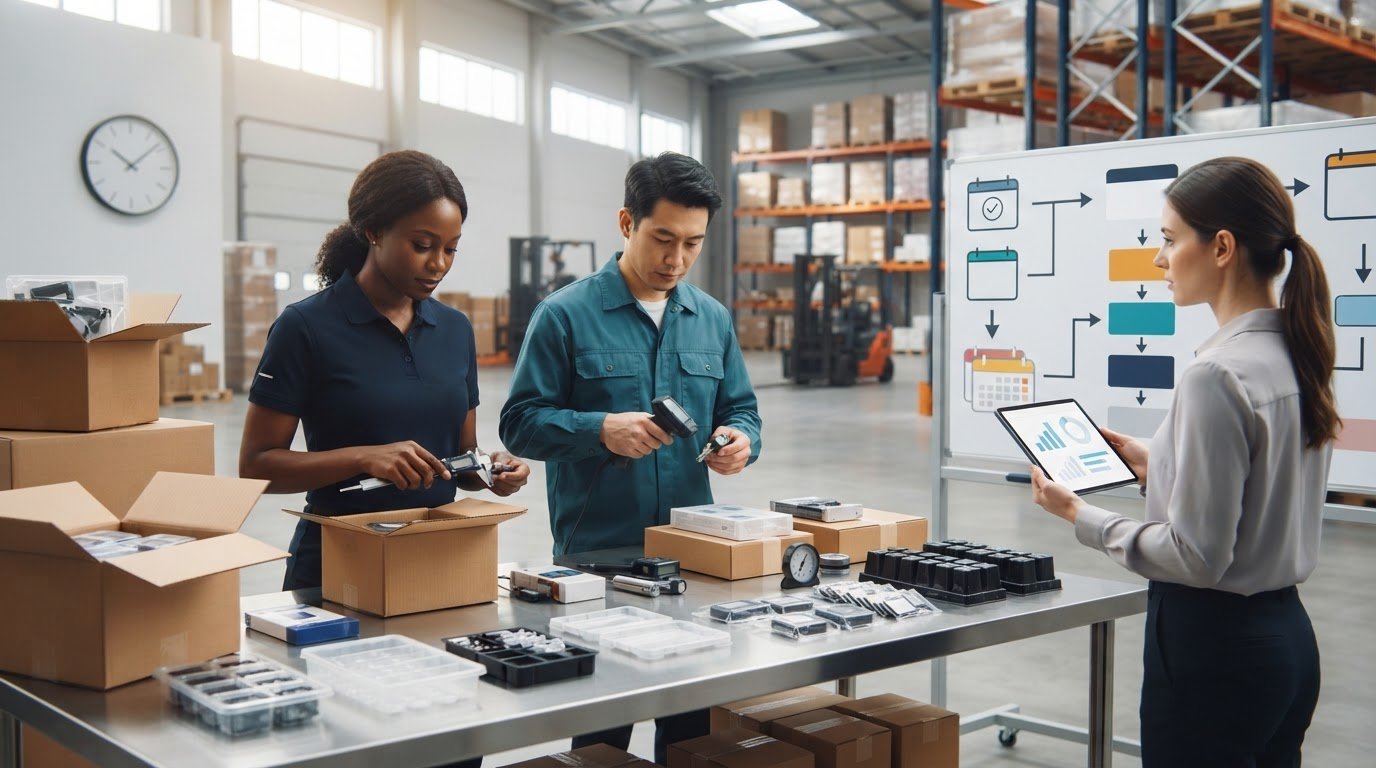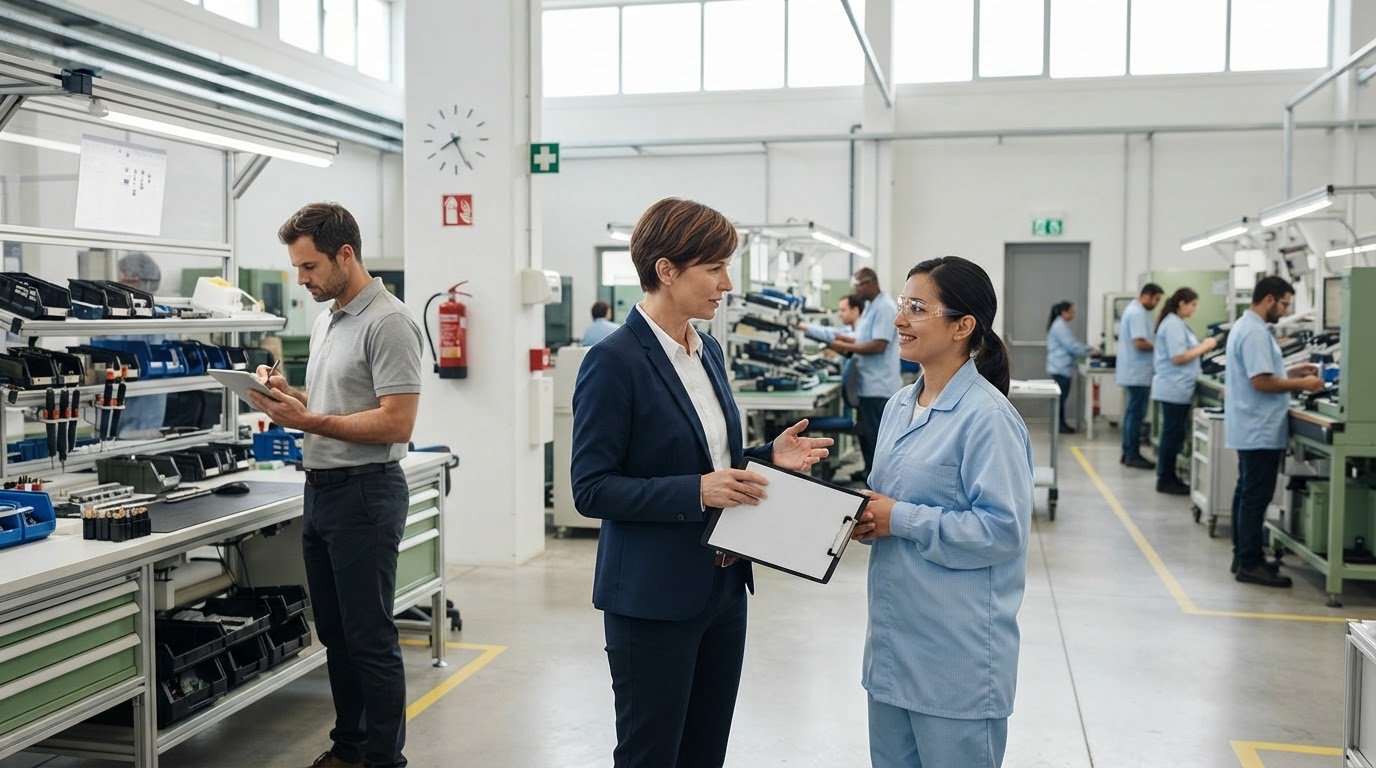
The most expensive mistake in manufacturing isn't a bad design; it's a mass-produced error that could've been caught in the very first unit. You've likely felt that knot in your stomach after sending a final deposit to an overseas factory, wondering if the thousands of units currently in transit actually match your engineering specifications. Miscommunication and production shortcuts are significant risks that lead to costly shipment delays and operational friction. Mastering the first article inspection process is the only way to replace that anxiety with verified proof of factory capability.
This guide provides the roadmap to eliminate manufacturing defects before mass production begins, ensuring your investment is protected. We'll examine the 2026 standards for AS9102 Revision B, the critical role of digital FAIR software, and the specific steps required to verify your supplier can deliver zero-defect results at scale. From understanding Form 1 accountability to managing ITAR-compliant data, you'll gain the transparency needed to move forward with total confidence.
Key Takeaways
- Understand why the first article inspection process is your primary defense against translation errors between CAD designs and physical production.
- Learn the methodical 5-step verification process, starting with a rigorous review of Bills of Materials (BOM) and technical drawings.
- Distinguish between proactive FAI and reactive Pre-Shipment Inspections to ensure quality is built into the product from the start.
- Identify why independent, third-party oversight is necessary to prevent factories from overlooking minor deviations that lead to mass-produced defects.
What is a First Article Inspection (FAI) and Why is it Critical?
The First Article Inspection (FAI) acts as the final sanity check before your capital is fully committed to a mass production run. It is the thorough verification of the first sample pulled from a new manufacturing cycle to ensure every dimension and feature aligns with your requirements. FAI is the formal verification that the manufacturing process can meet all engineering and design requirements. Without this step, you risk discovering "translation errors" between your digital CAD files and the physical factory floor only after thousands of defective units have already been produced.
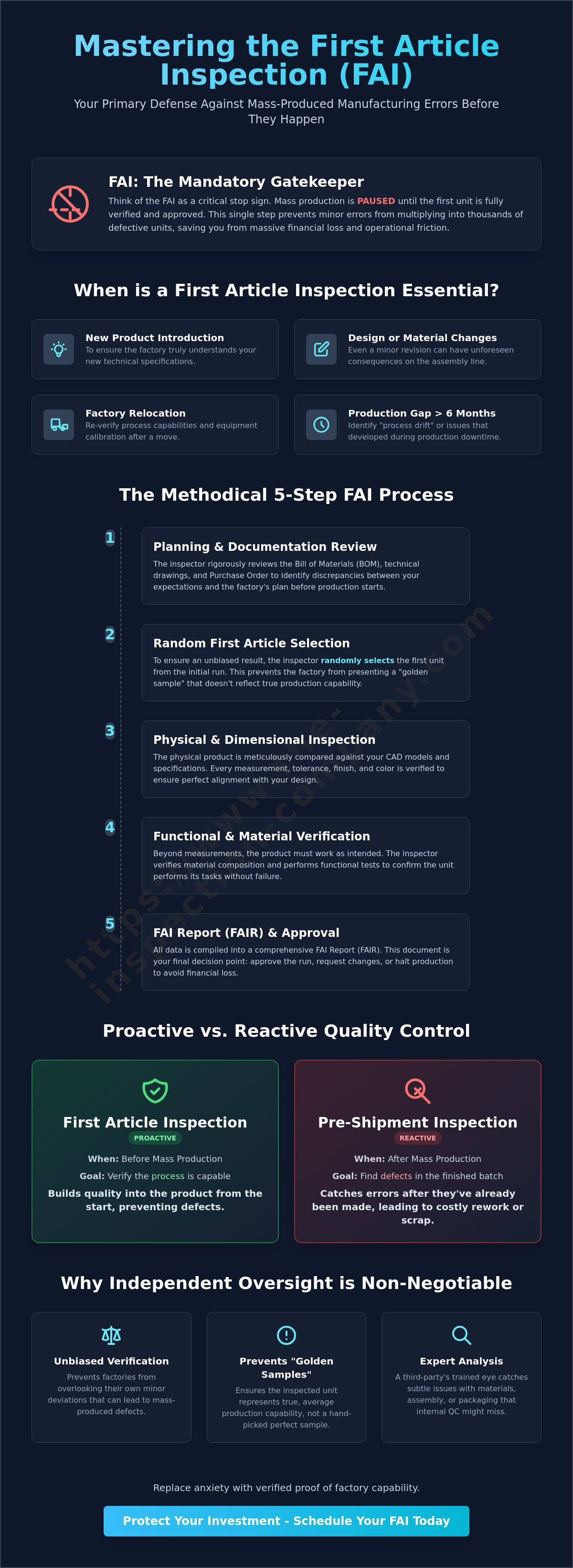
Think of the first article inspection process as a mandatory gatekeeper. Production must pause until the FAI report is fully reviewed and approved. This pause prevents the compounding of errors that lead to massive financial losses and operational friction. It's a proactive investment that provides the transparency needed to manage overseas suppliers with total confidence. By catching discrepancies early, you avoid the high stakes of shipment delays and the nightmare of a failed product launch.
When is a First Article Inspection Required?
Several critical triggers make an FAI essential for risk mitigation. You'll need one during a New Product Introduction (NPI) to ensure the factory truly understands your technical specifications. It's also required whenever there are design or material changes. Even a minor revision can have unforeseen consequences on the assembly line. Finally, a factory relocation or a production gap of six months or more necessitates a new inspection. This identifies "process drift" or equipment calibration issues that may have developed during the downtime.
The Difference Between FAI and PPAP
While both processes aim for quality, they serve different functions. The Production Part Approval Process (PPAP) is a rigorous, multi-step framework primarily used in the automotive industry to ensure supplier stability over time. In contrast, an FAI is a highly detailed check of a specific production run's initial output. For most manufacturing projects in Asia, the first article inspection process is the standard entry point. It's often integrated into a broader pre-production inspection strategy to ensure total compliance before the line moves at full speed.
The 5-Step First Article Inspection Process for Importers
Executing a rigorous first article inspection process requires a methodical, five-stage approach. This sequence ensures that your technical requirements aren't just understood but are physically achievable on the factory floor. Following these steps transforms the FAI from a simple checklist into a powerful risk-mitigation tool.
- Step 1: Planning and Documentation Review. The inspector reviews the Bill of Materials (BOM), technical drawings, and the Purchase Order. This identifies any discrepancies between your expectations and the factory's production plan before the machines start running.
- Step 2: Selection of the First Article. Independence is vital here. The inspector must randomly select the first unit from the initial production run. This prevents the factory from presenting a "golden sample" that doesn't reflect true production capabilities.
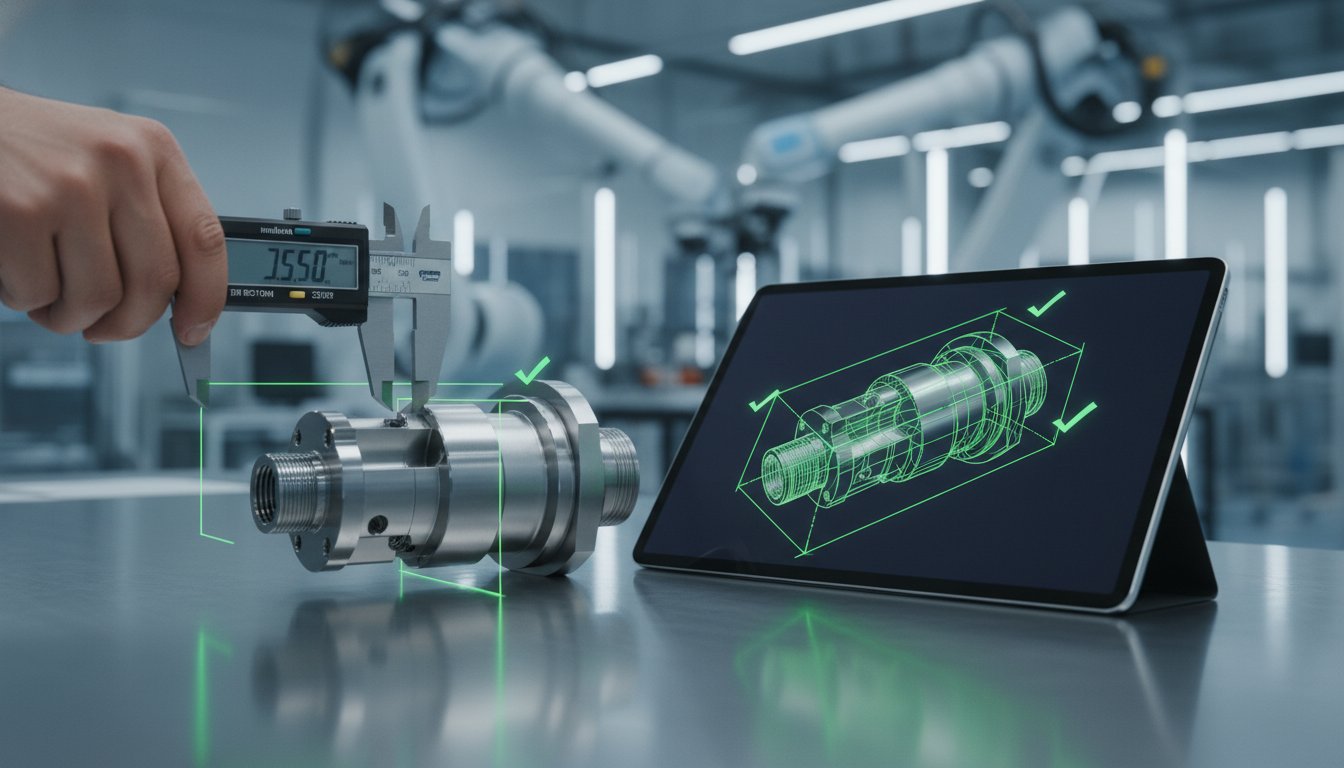
- Step 3: Physical Inspection and Dimensional Testing. The physical product is compared directly against your CAD models and specifications. This stage aligns with the standards for First Article Testing and Approval, ensuring every measurement falls within the allowed tolerances.
- Step 4: Functional and Material Verification. Beyond measurements, the product must work. The inspector verifies material composition and performs functional tests to confirm the unit performs its intended task without failure.
- Step 5: The FAI Report (FAIR) and Approval. All data is compiled into a comprehensive report. This document is the final decision point. You either approve the run, request specific changes, or halt production entirely to avoid financial loss.
Physical Verification: More Than Just Dimensions
A successful inspection looks beyond the calipers. We examine aesthetic finishes, color accuracy using Pantone standards, and assembly tolerances to ensure parts fit together seamlessly. For those utilizing an Amazon FBA inspection, this stage also includes a critical review of packaging and labeling. Incorrect barcodes or fragile packaging can lead to immediate rejections at the warehouse, causing unexpected errors and costly delays. If you're unsure about your current packaging compliance, you can consult with an expert to review your requirements.
Understanding the First Article Inspection Report (FAIR)
The FAIR is your primary source of transparency. It should include high-resolution photos, a detailed list of any non-conformances, and raw measurement data. When reviewing the report, you'll typically face three outcomes. A "Full Approval" means mass production can proceed. A "Conditional Approval" allows production to start only after specific minor issues are corrected. A "Full Rejection" indicates significant deviations, requiring a complete process overhaul and a second FAI to prevent a catastrophic production failure.
FAI vs. During Production and Pre-Shipment Inspections
The first article inspection process is your first line of defense in a comprehensive quality control strategy. While a Pre-Shipment Inspection (PSI) identifies issues at the end of the cycle, it's inherently reactive. By the time a PSI flags a defect, your capital is already tied up in finished goods. In contrast, an FAI is the proactive step that ensures the "DNA" of the production run is correct from the start. A During Production Inspection serves as the vital middle check to catch assembly errors or process drift before the order is completed.
Utilizing the SAE AS9102 FAI Standard gives you a globally recognized framework for this initial verification. Once the first article is approved, your strategy shifts to statistical monitoring. You can refer to our guide on AQL Explained to see how sampling sizes and acceptance levels evolve once the factory's capability is verified. This transition from 100% inspection of the first unit to sampled checks later in the run optimizes your quality budget while maintaining high standards.
Many businesses worry about the upfront cost of early inspections. However, an FAI is a preventative investment that forestalls much larger financial losses. It's always cheaper to pause a line and fix a tool than to deal with a rejected container at the port or a massive product recall. The goal is to spend a small amount now to avoid a catastrophic error later.
The ROI of Early Detection
Imagine a tooling error that affects a product's internal fit. Catching this during the first article inspection process costs very little. Discovering it in 10,000 finished units leads to total material loss and severe shipment delays. Beyond the direct financial impact, early detection is essential for protecting your brand reputation on platforms like Amazon and Walmart. High return rates and negative reviews from manufacturing defects can destroy a product's ranking and consumer trust overnight. Preventing these issues at the source is the only way to ensure long-term production success.
Don't leave your quality to chance. Contact our team to secure your production run today.
Why You Need an Independent Inspection Company for FAI in Asia
Relying on a factory to grade its own work is a fundamental risk that often leads to operational friction. In the high-stakes environment of international trade, a factory's priority is maintaining production speed; this creates a clear conflict of interest. They may overlook minor deviations in the first article inspection process to keep the line moving, assuming small errors won't impact the final shipment. An independent eye is the only way to ensure your technical specifications are met without compromise.
Our European management structure provides a distinct advantage by bridging the gap between Western quality expectations and the reality of Asian factory floors. We maintain an on-site presence in manufacturing hubs across China, Vietnam, and India, ensuring an expert is physically verifying your product at the source. You can learn more about us and our network of over 700 inspectors who provide the granular transparency needed to prevent financial loss and shipment delays.
Mitigating Risks in 2026 Global Sourcing
Geopolitical shifts and high factory turnover in 2026 make the first article inspection process more critical than ever. New staff or relocated facilities often lack the specific experience required for your complex assemblies. We solve this by centralizing all data through our Quality Platform. This tool allows you to track FAI results across multiple suppliers in real-time, providing a cohesive view of your global supply chain health and protecting your brand reputation.
Taking the Next Step
To secure your production run, you'll need to provide your 3rd party inspection company with a complete technical package. This package should include your Bill of Materials, approved CAD drawings, and specific Pantone references. Booking an FAI early ensures that any necessary tooling adjustments happen before the mass production line is fully engaged. Don't leave your final deposit to chance. Secure your production run today to eliminate defects and ensure a zero-defect delivery.
Secure Your Production Pipeline with Verified Quality
The first article inspection process is the only way to transform your engineering specifications into physical reality without the risk of mass-produced defects. By prioritizing this proactive verification, you eliminate the threat of translation errors and ensure your factory is truly capable of meeting your standards. Waiting until goods are at the port is a reactive gamble that often leads to financial loss and damaged reputations.
We bridge the gap between Western quality expectations and Asian manufacturing reality through our European management team based in Hong Kong. With a network of over 700 qualified inspectors across Asia, we provide the on-site presence necessary to protect your interests. You'll receive detailed, fact-based reports delivered within 24 hours of the inspection, giving you the transparency needed to release your final deposit with total peace of mind.
Don't leave your investment to chance in an increasingly complex global market. Secure your production run by booking a First Article Inspection today. We're here to ensure your manufacturing journey is a success from the very first unit.
Frequently Asked Questions
Is a First Article Inspection always required?
A First Article Inspection is essential during specific production milestones rather than every order. Critical triggers include new product introductions (NPI), changes in manufacturing location, or significant design revisions. Skipping this step during these high-stakes transitions increases the risk of mass-produced defects and costly shipment delays. It's a preventative investment that ensures your supplier understands the technical requirements before the line moves at full speed.
How long does a typical FAI take to complete?
Most on-site evaluations for the first article inspection process are completed within one full man-day at the factory. This specific timeline allows for a detailed review of documentation, dimensional testing, and functional verification against your CAD files. Complex assemblies or products with extremely tight tolerances may require additional man-days to ensure every characteristic matches the engineering specifications without error or operational friction.
Can I skip FAI if I already have a golden sample?
You shouldn't skip an FAI just because you possess a golden sample. Golden samples are frequently produced under "ideal" conditions or by hand in a laboratory setting, whereas the FAI verifies that the factory's mass-production machinery can replicate those results. It's the only way to prove the factory's actual manufacturing process is capable of delivering the quality you expect at a high volume.
What is the difference between FAI and a Pre-Production Inspection?
The primary difference lies in the timing and the specific object of the inspection. A Pre-Production Inspection focuses on raw materials and the factory's readiness before any units are manufactured. The first article inspection process occurs once the machines are running, verifying the first actual units pulled from the line to confirm the manufacturing process is correct. Both steps are vital for total risk mitigation.
What happens if the first article fails the inspection?
If the first article fails, the factory must halt production immediately to perform a root cause analysis. You should not release your final deposit or allow bulk production to continue until a corrective action plan is implemented. A second inspection is typically required to verify that the factory has addressed the non-conformances. This proactive approach prevents the financial loss associated with producing thousands of defective units.