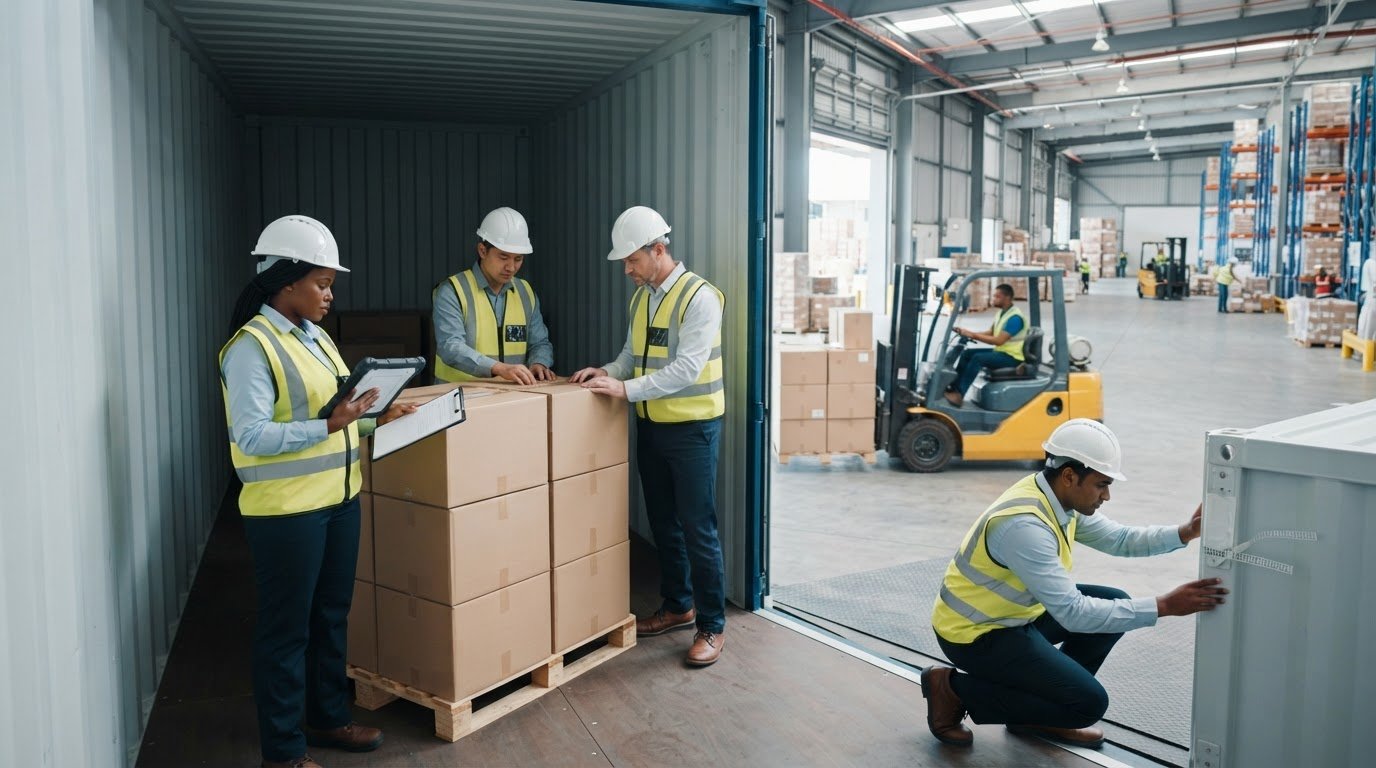
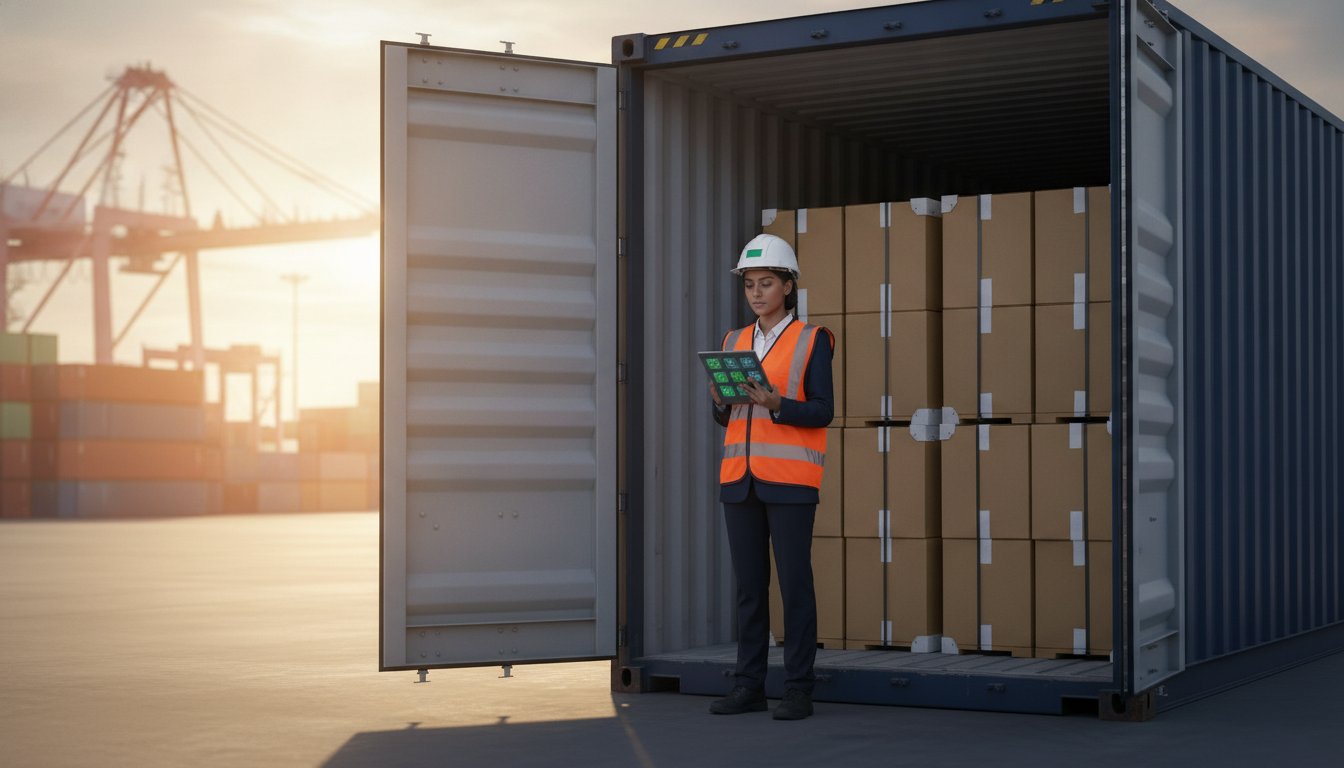
With transpacific shipping rates surging toward $13,000 per FEU in July 2026, can your bottom line really afford a rejected container or a shipment of damaged goods? It's a reality many importers face when the final stage of the supply chain is overlooked. You've invested significant capital into production, and it's exhausting to deal with customs delays or insurance claims caused by poor stowage. Implementing a professional container loading inspection checklist is your best defense against these avoidable operational frictions.
This guide will help you master the critical checkpoints required to secure your cargo and prevent theft or damage before the doors are sealed. You'll gain the confidence that your container seal is secure and your quantities are accurate. We will examine the mandatory 7-point container inspection, the latest ISO 17712:2013 seal standards, and the stowage strategies that lead to a significant reduction in product returns and insurance claims.
Key Takeaways
- Understand why Container Loading Inspection serves as your final barrier against quantity discrepancies and costly shipping errors.
- Implement the 7-point inspection technique to verify the structural integrity of the vessel and identify potential security risks.
- Utilize a professional container loading inspection checklist to cross-reference packing lists with actual cargo and prevent unauthorized product substitutions.
- Secure your investment by validating high-security bolt seals and ensuring all documentation matches the Bill of Lading exactly.
- Establish clear photo evidence protocols at various loading stages to provide a definitive record for insurance and liability protection.
What is a Container Loading Inspection (CLI) and Why Does it Matter?
A Container Loading Inspection (CLI) is the definitive step in a professional quality control strategy. It ensures that the specific goods you ordered are the ones actually placed into a secure vessel. This process acts as the final barrier between your supplier's warehouse and the high-risk environment of international transit. Without this oversight, you leave the physical integrity of your shipment to chance. A CLI provides the assurance that your products are packed to withstand the rigors of modern Containerization.
The financial consequences of skipping this step are significant. When a shipment arrives under-filled, or "short," insurance companies often reject claims if there's no proof of what was originally loaded. By utilizing a comprehensive container loading inspection checklist, you create a transparent record that protects your investment. This documentation is essential for resolving disputes and maintaining lean operations. In a market where shipping costs are volatile, a single loading error can result in thousands of dollars in lost inventory and administrative friction.
The Critical Difference: CLI vs. Pre-Shipment Inspection
It's a common misconception that a passed Pre-Shipment Inspection (PSI) guarantees a successful delivery. While a PSI confirms product quality, it doesn't account for what happens between the warehouse floor and the container doors. Factory staff might inadvertently or intentionally swap inspected cartons for inferior goods during the loading process. This is known as substitution risk, a frequent cause of unexpected quality issues upon arrival.
A CLI provides the missing link in your supply chain security. The inspector acts as a third-party witness, verifying that the exact batch of products approved during the PSI is the one that enters the container. They monitor the entire procedure until the doors are closed and the high-security seal is applied. This level of scrutiny ensures that the quantity, packaging, and loading patterns meet your specific requirements. It leaves no room for last-minute errors or theft. Using a container loading inspection checklist during this phase transforms a vulnerable moment into a controlled, verifiable event.
The 7-Point Container Inspection: Verifying the Vessel
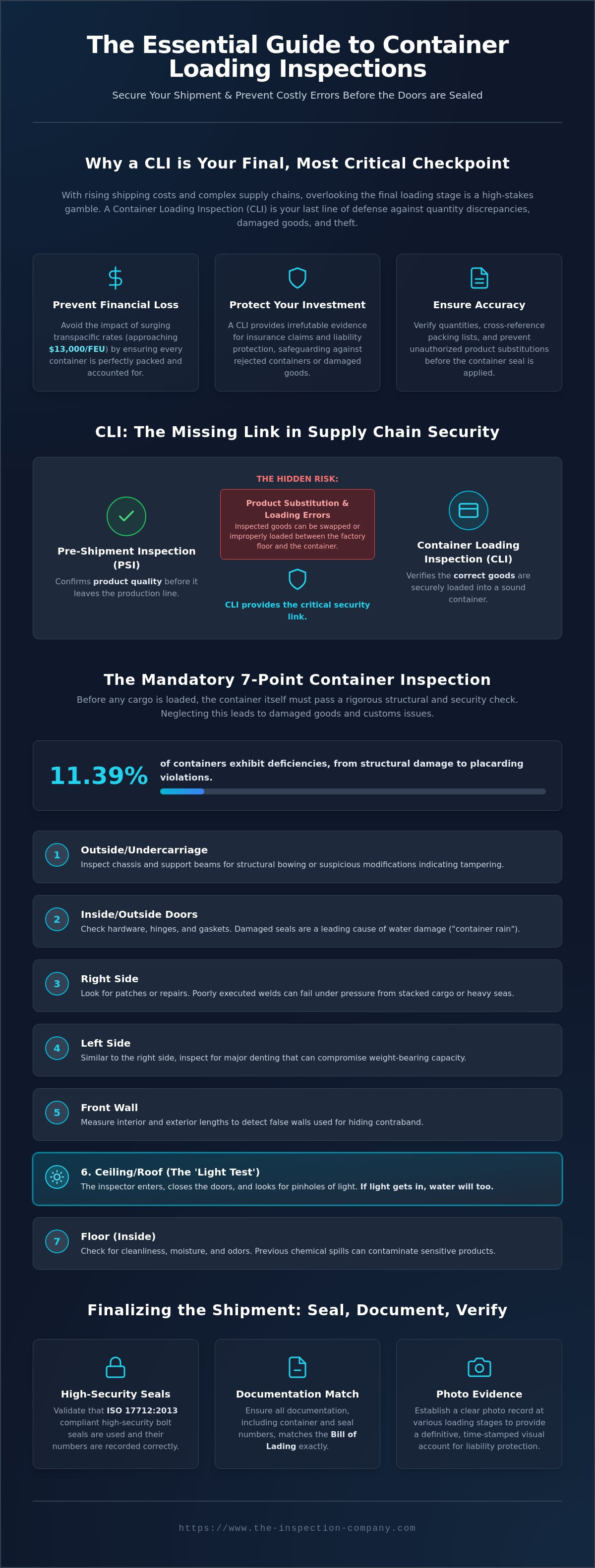
A shipping container is more than a simple steel box. It is the primary shield protecting your goods from the harsh conditions of a transoceanic voyage. In 2024, industry data revealed that 11.39% of containers showed deficiencies, ranging from structural damage to placarding violations. Neglecting the vessel's integrity can lead to catastrophic losses during transit. Integrating the 7-point technique into your container loading inspection checklist is the only way to verify that a container is fit for service before it's filled with your inventory.
Step-by-Step 7-Point Breakdown
This systematic approach ensures no part of the container is overlooked. It addresses both security risks, such as illegal compartments, and quality risks, such as moisture ingress. An inspector follows a logical path around and through the vessel to identify hidden weaknesses.
- 1. Outside/Undercarriage: Inspectors check the chassis and support beams for structural bowing or suspicious modifications that could indicate tampering.
- 2. Inside/Outside Doors: This includes checking the hardware, hinges, and gaskets. Damaged seals are a leading cause of water damage and "container rain."
- 3. Right Side: Look for patches or repairs. Poorly executed welds can fail under the pressure of stacked cargo or heavy seas.
- 4. Left Side: Similar to the right side, any major denting can compromise the container's structural weight-bearing capacity.
- 5. Front Wall: This area is frequently used for false walls. Inspectors measure interior and exterior lengths to ensure they match exactly.
- 6. Ceiling/Roof: This is where the 'Light Test' occurs. An inspector enters the container, closes the doors, and looks for any pinholes of light. If light gets in, seawater will too.
- 7. Floor (Inside): Inspectors check for cleanliness, moisture, and odors. Previous chemical spills or heavy scents can contaminate sensitive products like textiles or electronics.
Beyond the physical structure, verifying the CSC (Container Safety Convention) plate is non-negotiable. This plate acts as the container's passport, proving it's within its valid safety timeframe for international transport. If you're concerned about the quality of the vessels your suppliers are using, you can consult with our team to ensure your cargo is always loaded into compliant, high-grade containers.
The Core Checklist: Product, Quantity, and Packaging
While the vessel's integrity is vital, the internal arrangement of your cargo determines whether your goods survive the journey. Poor stowage and securing accounted for 47% of container deficiencies in 2024. This statistic highlights why your container loading inspection checklist must prioritize the physical handling of your inventory. An inspector's presence ensures that the quantity loaded matches your packing list exactly, preventing the "short shipments" that lead to administrative nightmares and financial loss.
During the process, the inspector performs a random carton selection for a final quality check. This is your last opportunity to verify that the factory hasn't swapped approved goods for inferior substitutes. Beyond quality, the loading sequence is critical. Heavier items must be placed at the bottom to maintain a low center of gravity and prevent the crushing of lighter cartons. To stop cargo from shifting during rough sea conditions, the inspector verifies the use of dunnage, such as air bags or timber bracing, which fills the voids between pallets.
Special Requirements: Amazon FBA and Palletization
For importers utilizing the Amazon FBA Service, compliance starts at the loading dock. Inspectors verify that every carton features the correct FNSKU labels and shipping marks required for seamless intake at fulfillment centers. Any error here results in expensive "prep fees" or rejected shipments at the destination port.
Palletized shipments require additional scrutiny regarding ISPM 15 regulations. The inspector checks for the mandatory fumigation stamps on wooden pallets to prevent customs rejections or mandatory quarantine. Finally, performing a carton drop test on-site ensures that the packaging is robust enough to handle the final-mile delivery. If you need to secure your next shipment against these common logistical failures, contact our technical team today to schedule a professional loading oversight.
Finalizing the Inspection: Seals and Documentation
The final moments of the loading process are the most critical for legal and financial protection. Once the doors close, the application of a high-security bolt seal becomes the point of no return. Your inspector must verify that the seal complies with the ISO 17712:2013 standard, which remains the current requirement for international freight as of July 2026. The recorded seal number serves as the definitive legal link between the loaded cargo and the shipping documents, making it the most critical data point for preventing unauthorized access or theft during transit.
Comprehensive photo documentation is a non-negotiable part of a professional container loading inspection checklist. Capturing the container when it's 1/4 full, 1/2 full, and completely full provides undeniable evidence of the loading quality and weight distribution discussed in earlier sections. These images, combined with a photo of the locked doors and the intact seal, create a transparent chain of custody. This evidence is vital if you ever need to file an insurance claim or dispute a shortage with your supplier after the vessel has departed.
The resulting CLI report should be reviewed thoroughly before you authorize the final balance payment. A high-quality report includes a detailed breakdown of carton counts, packaging conditions, and any deviations from the original specifications. Unlike generic services that often provide delayed feedback, a professional inspection delivers these insights within a 24-hour window. This speed allows you to halt a shipment at the factory gates if discrepancies are found, saving you from the extreme administrative friction of handling errors at the destination port.
The Value of Third-Party Supervision
Maintaining an on-site presence through The Inspection Company prevents factories from taking shortcuts when they think no one is watching. Our inspectors act as your eyes and ears on the ground, ensuring every procedural stage is followed to the letter. Through our digital quality platform, you can monitor loading progress in real-time, giving you total control over your supply chain from anywhere in the world.
Integrating these results into your broader Supplier Management Process ensures long-term reliability. By consistently documenting performance at the loading dock, you identify which suppliers prioritize your standards and which require closer supervision. This methodical approach transforms a routine logistical step into a powerful tool for risk mitigation and operational excellence.
Secure Your Supply Chain at the Final Barrier
Managing international logistics in 2026 requires a proactive approach to risk. By implementing a rigorous container loading inspection checklist, you eliminate the uncertainty that often occurs between the factory floor and the open sea. You've seen how structural integrity checks, quantity verification, and high-security seal protocols act as your final line of defense against financial loss and operational friction. These steps aren't just administrative tasks; they are essential investments in the safety of your inventory.
The Inspection Company (TIC) provides the expertise needed to manage these high-stakes moments. With our European management team and over 700 inspectors stationed across Asia, we ensure your standards are met at every loading dock. Our ISO 9001 certified quality management system guarantees reliability, while our detailed reports are delivered within 24 hours to keep your supply chain moving. Don't leave your cargo's safety to chance. Book your Container Loading Inspection with TIC and secure your shipment today. We are ready to help you maintain total control over your global operations.
Frequently Asked Questions
What is the 7-point container inspection technique?
The 7-point container inspection is the global industry standard for verifying the structural integrity and security of a shipping vessel. It requires a methodical walkthrough of seven specific areas: the undercarriage, the doors, the right side, the left side, the front wall, the ceiling, and the floor. This process identifies structural weaknesses, illegal compartments, or damage that could compromise your cargo during its high-stakes journey across the ocean.
Is a container loading inspection necessary if I already did a Pre-Shipment Inspection?
Yes, a Container Loading Inspection is essential even if a Pre-Shipment Inspection was successful. While a PSI confirms that your products meet quality standards, it doesn't account for risks during the loading phase. Using a professional container loading inspection checklist ensures that approved goods aren't swapped for inferior items and that the correct quantity is securely stowed to prevent damage or insurance disputes during transit.
What happens if the inspector finds a hole in the container roof?
If an inspector identifies a hole or pinlight during the roof check, the container is immediately rejected. Even a tiny opening leads to seawater ingress or "container rain," which causes catastrophic moisture damage to sensitive goods. The supplier or carrier must provide a replacement vessel that is completely weather-tight before the loading process continues. This prevents costly product returns and preserves your brand's reputation for quality.
How long does a typical container loading inspection take?
A typical container loading inspection takes between three and five hours to complete. This duration depends on the container's size, the complexity of the cargo, and the efficiency of the factory's loading team. The inspector remains on-site for the entire duration, from the initial 7-point check until the final high-security seal is applied to the doors. This presence ensures every step of the loading process is followed meticulously without shortcuts.
What is a high-security bolt seal, and why is it checked during CLI?
A high-security bolt seal is a heavy-duty mechanical device that must meet ISO 17712:2013 standards for freight containers. It's checked during a CLI to ensure it's applied correctly and that the unique identification number matches your Bill of Lading exactly. This seal acts as the primary deterrent against theft and provides a critical legal record of the container's integrity, ensuring the chain of custody remains unbroken from the factory to the destination.