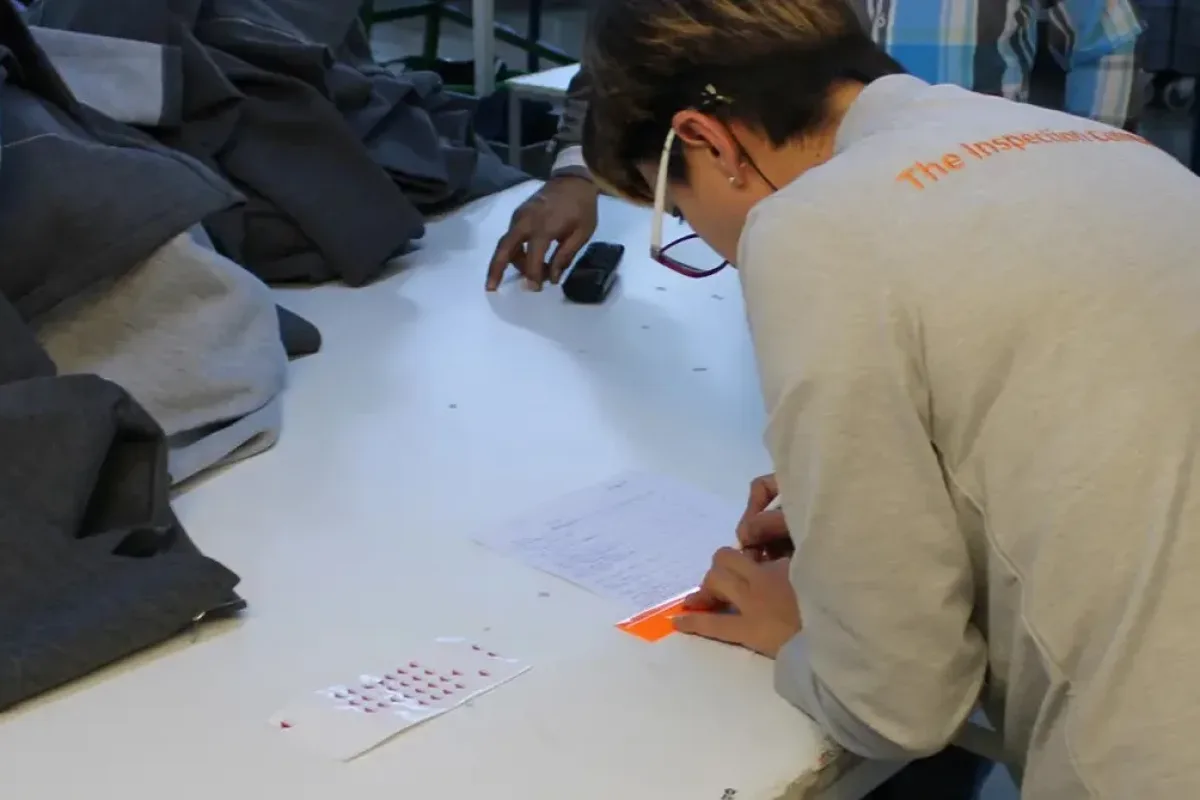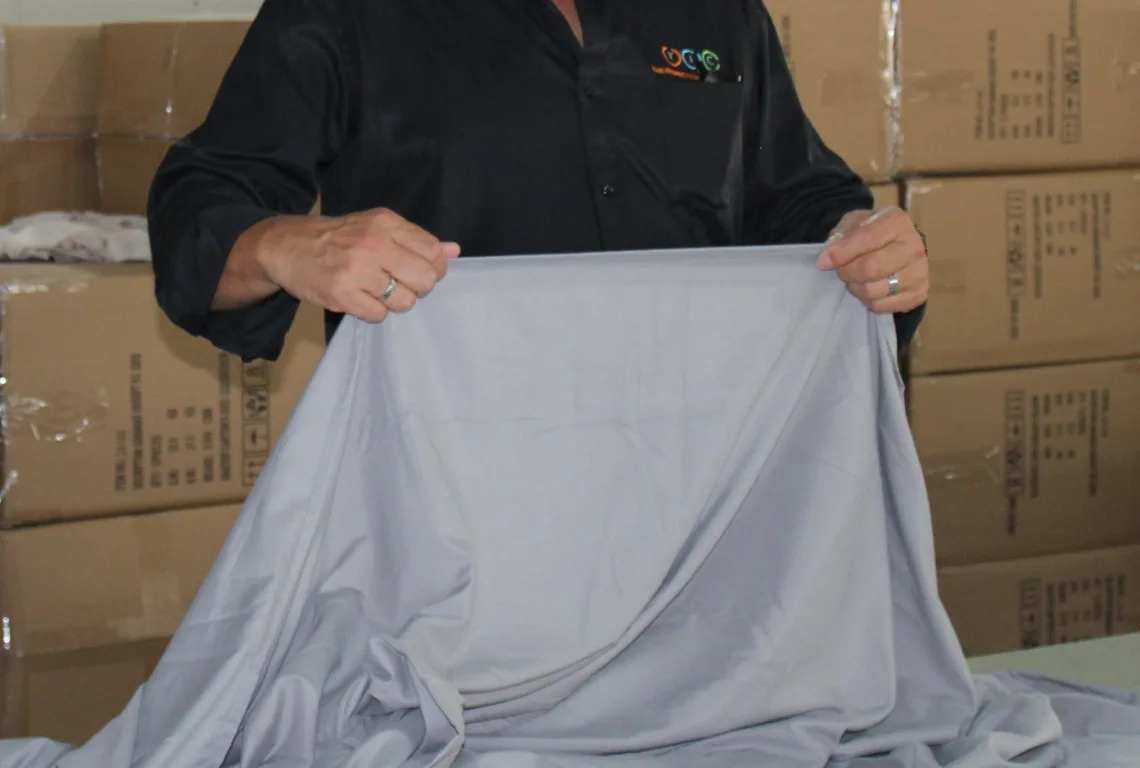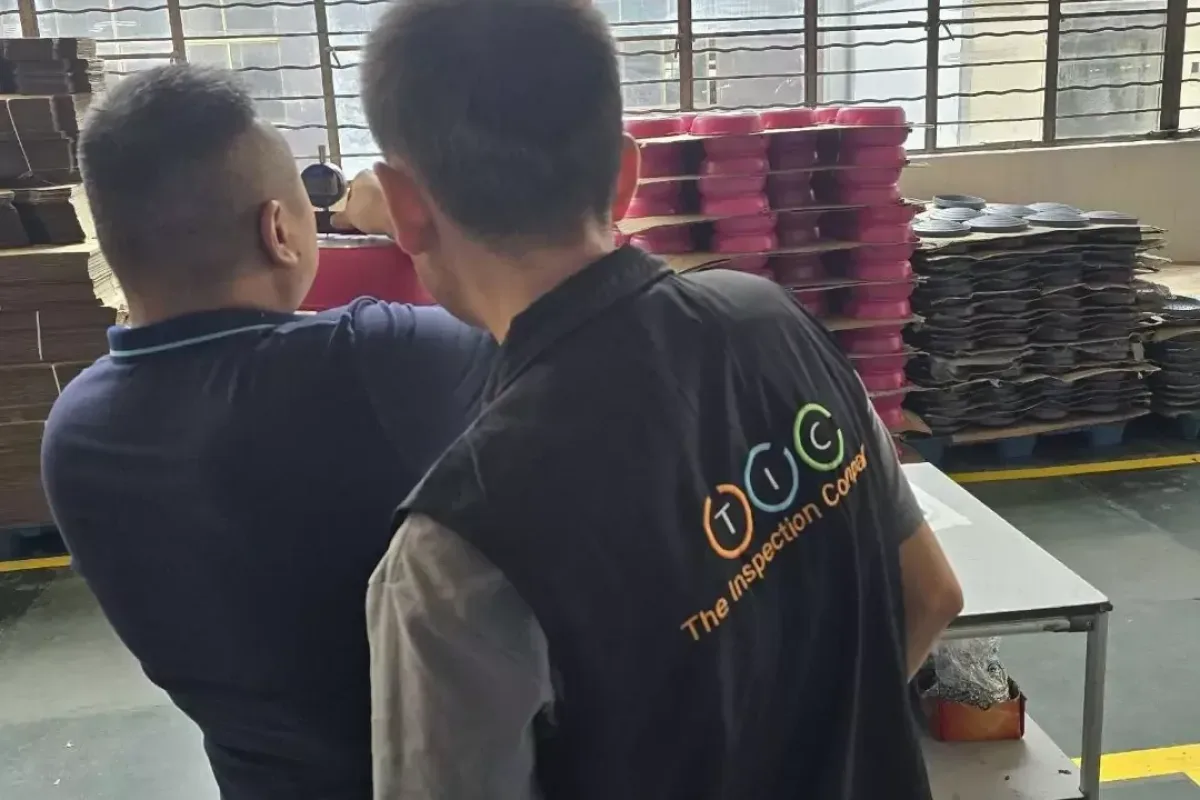
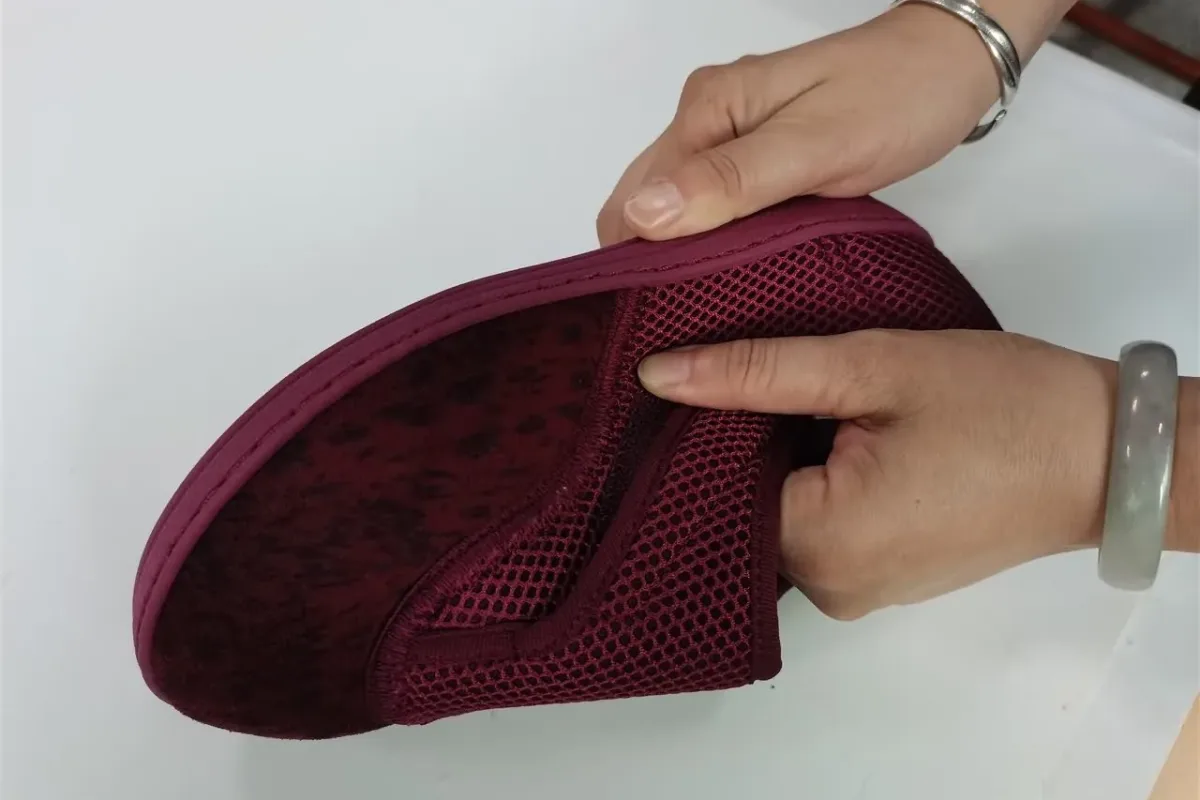
A third-party inspection in Portugal for footwear and home textiles is an on-site check of finished shoes, towels, bed linen and table linen against your tech pack, approved sample and packing list, done by an inspector you hire and pay. On shoes it covers sole bonding, sizing, pair matching, leather finish, labelling and boxing. On home textiles it adds fabric weight, dimensions, shrinkage and set completeness, and most buyers book it as a pre-shipment check before releasing the balance payment, with a during-production visit on first orders.
Portuguese factories in the north have a strong reputation for leather shoes and premium cotton textiles, and many buyers skip inspection for that reason. The faults inspectors find in Portugal rarely come from a lack of skill. They come from how production is organised: many models in small quantities, sewing sent to outside workshops, natural leather that changes from hide to hide, and tight delivery dates before the August shutdown.
Where Footwear and Home Textiles Are Made in Portugal
Portuguese footwear and home textile production is concentrated in the north of the country, mostly within about an hour of Porto. Knowing where your supplier sits helps you plan travel, timing and the type of product the factory knows best.
- Felgueiras: the largest footwear cluster, with many small and medium factories making leather shoes, boots and fashion footwear.
- São João da Madeira, Santa Maria da Feira and Oliveira de Azeméis: footwear factories, component suppliers, last makers and sole producers south of Porto.
- Guimarães and Vizela: towels, bed linen, table linen and some footwear.
- Santo Tirso, Vila Nova de Famalicão and Barcelos: spinning, weaving, knitting, dyeing and finishing, plus garment and home textile makers.
- Alcanena: leather tanning, supplying many of the footwear factories in the north.
- Covilhã: wool fabrics, used in throws and some upholstery textiles.
When you request an inspection, send the full street address of the production site, not only the registered office. A footwear brand-owner in Porto may produce in three factories around Felgueiras, and a home textile supplier may finish and pack goods in a different building from where they were woven. The Inspection Company runs its European operations from a branch in Germany, with its strongest inspector network in Asia and coverage in select European countries, so send the factory location first and we will confirm availability before you book.
What Makes Portuguese Orders Different to Inspect
Portuguese suppliers are often chosen for quality, low minimum order quantities and short transit times to European customers. Each of those strengths changes how the inspection should be planned.
Small lots per model, colour and size
Orders of 300 to 2,000 pairs spread across several models, two or three colours and a full size run are common. That can mean only 20 or 30 pairs per size in one colour. A random sample drawn without a plan may skip sizes altogether, and grading errors usually sit in the smallest or largest size. Ask the inspector to draw pairs across every size and colour, and to measure at least one pair per size against the master sample.
Upper stitching sent to outside workshops
Many Portuguese shoe factories cut the leather in-house and send the uppers out to small stitching workshops, then last, sole and finish in their own plant. Home textile suppliers do the same with hemming, embroidery and packing. One order can therefore show different stitch density, thread shade or edge finishing between batches. Ask the supplier in writing which workshops worked on your order, and have the sample drawn from as many cartons as practical. A factory audit before the first order shows how much of the work is really done in-house.
Leather lot variation
Natural leather varies in colour, grain and thickness between hides and between tannery lots. On a shoe, this shows as a left and right shoe that do not match, or a vamp and quarter in slightly different shades. Shade and grain checks carry more weight on Portuguese leather footwear than on synthetic shoes from long production runs.
Truck shipments to Europe
A large share of orders to Spain, France, Germany and the Benelux leaves by truck, often consolidated with other shippers. The loading check then covers the trailer: floor condition, tarpaulin or box body, how the cartons are stacked, whether shoe boxes sit under heavy textile cartons, and the seal or CMR document details. Sea freight to the UK, the US and further afield usually leaves from Leixões near Porto.
The August shutdown and public holidays
Most Portuguese factories close for two to three weeks in August. Production in July is rushed, and goods packed in the last days before the shutdown deserve a full inspection. National holidays include 1 January, Good Friday, 25 April, 1 May, Corpus Christi, 10 June, 15 August, 5 October, 1 November, 1 and 8 December and 25 December. Municipal holidays also close factories, for example São João on 24 June in Porto and Braga.
Footwear Inspection in Portugal: What the Inspector Checks
A footwear inspection in Portugal follows your tech pack and approved sample pair. The checks below come from our standard footwear inspection checklist, adjusted to the leather shoes, boots and sneakers Portuguese factories make most.
- Quantity and packing status: pairs per model, colour and size against the purchase order, and the share already boxed and in export cartons.
- Sizing: outsole length and width, heel height and shaft height compared with the master pair for each size. Your spec should state the tolerance, for example ±2 mm on outsole length.
- Pair matching: left and right shoes placed sole to sole and side by side for length, heel height, toe shape, colour and grain.
- Bonding: a hand flex at the toe and a pull at the sole edge on every sampled pair, and a destructive pull test on one or two pairs if your checklist calls for it.
- Stitching: stitches per cm against spec, skipped or doubled stitches, crooked lines on the vamp and quarter, and thread ends burnt flat rather than left loose.
- Leather surface: scratches, scuffs, loose grain (wrinkling when the leather is bent), cuts, finish peeling and uneven polish or burnishing.
- Hardware: eyelets, buckles, zips and elastic gussets operated several times and checked for rust and sharp edges.
- Labelling: size marking on the insole or tongue, material pictograms, country of origin and box label barcode scanned against the purchase order.
- Packing: paper stuffing, tissue, dust bags where specified, box condition, carton size ratio and carton marks against the packing list.
Cemented and welted construction
Cemented shoes, where the sole is glued to the lasted upper, are checked for gaps at the sole edge, glue overflow on the upper and soles that lift when flexed at the toe. Goodyear welted and Blake stitched shoes, common on Portuguese men's dress shoes, are checked for an even welt width, stitches that sit in the channel and do not cut the leather, and a sole edge that is trimmed and finished cleanly. Heels are pulled by hand and checked for nails that are too short or set off-centre.
Inside the shoe
The inspector runs a hand inside every sampled shoe. Lasting tacks or nails coming through the insole are a critical defect, because they injure the wearer. The sock lining is checked for wrinkles and glue lumps, the lining for tears at the heel, and the counter and toe puff for correct stiffness and shape. Boots are checked for shaft lining, zip function along its full length and the stitching at the top edge.
Moisture and mould
Leather shoes packed in humid conditions can arrive with white mould after several weeks in a container. The inspector checks that the leather is dry to the touch, that cartons are not damp and that the desiccant sachets in your spec are present. For sea shipments to Asia or the Americas, ask for a container or trailer check before loading as well.
Defects Found Most Often on Portuguese Footwear Orders
The defects below are the ones that most often push a Portuguese footwear lot over its AQL limit. Most trace back to small lots, outside stitching workshops and leather variation.
- Shade or grain mismatch between the left and right shoe of one pair
- Sole edge opening at the toe or the waist when flexed
- Glue residue on the upper along the sole line
- One size measuring outside tolerance because the last for that size differs
- Crooked or uneven stitching on uppers from a second workshop
- Wrinkled sock lining or tacks felt through the insole
- Wrong size on the box label compared with the shoe
- Missing or wrong material pictograms
- Crushed shoe boxes from heavy cartons stacked on top
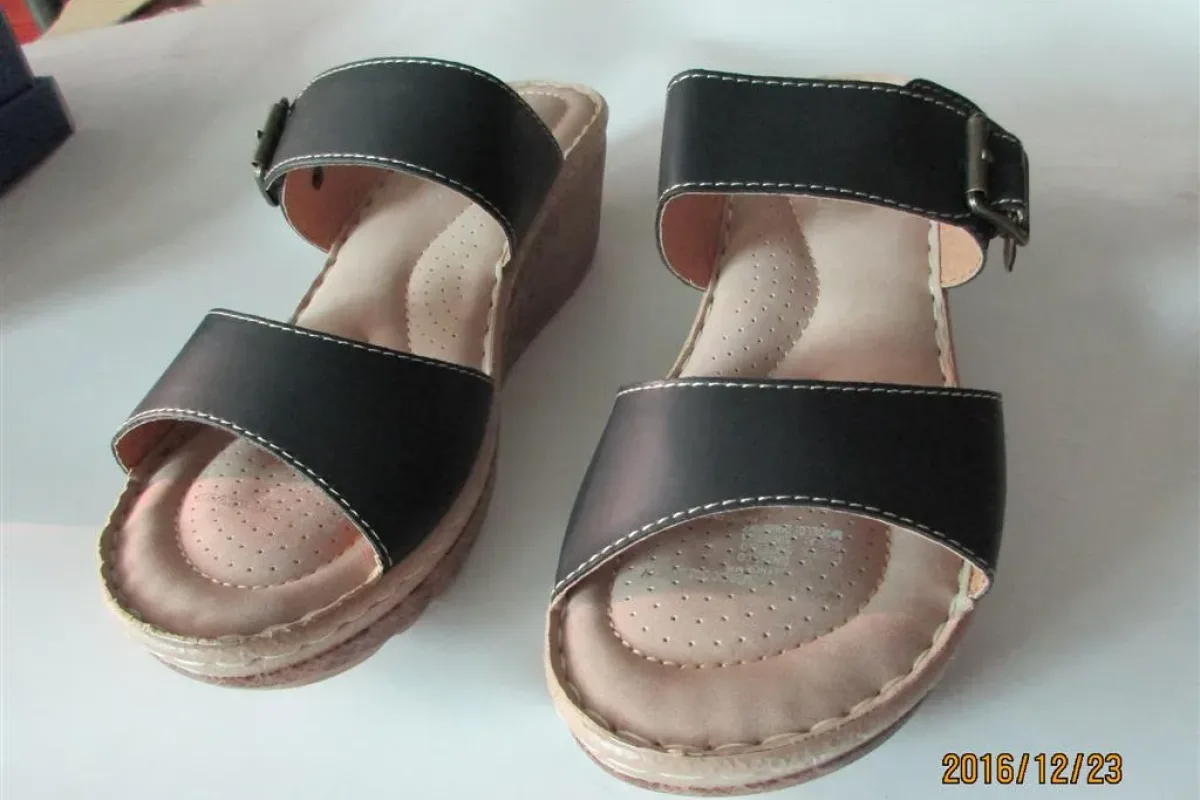
Home Textile Inspection in Portugal: Towels, Bed Linen and Table Linen
Portuguese home textiles are usually premium cotton or linen products sold on weight, hand feel and finish, so the inspection includes more weighing and measuring than a garment check. The checks listed on our home textile inspection page apply, with these product details.
Towels and bathrobes
- GSM: the inspector weighs whole towels and divides by the measured area. Buyers commonly accept ±5% against the stated GSM, so a 600 GSM towel weighing out at 550 GSM fails.
- Dimensions: length and width measured flat after the towel has rested, against the size and tolerance in your spec.
- Border and hem: dobby border straight and parallel to the hem, hem closed at both ends, hanging loop secure.
- Pile: pulled loops, bald patches and uneven pile height.
- Shedding and colour transfer: a dry rub with a dark cloth for lint and a wet rub with a white cloth for colour.
- Embroidery: logo or monogram position measured from the border, no puckering and no backing paper left on the reverse.
Bed linen and duvet covers
- Thread count: counted with a pick glass, warp plus weft per square inch. The inspector reports how multi-ply yarns were counted.
- Shrinkage: a home wash on one or two pieces and a re-measure, because cotton percale and flannel can shrink beyond spec if the fabric was not pre-shrunk.
- Fitted sheets: pocket depth and elastic placement as specified.
- Closures: button or press stud count and spacing on duvet covers, buttonholes cut cleanly, zips running smoothly.
- Set completeness: each set holds the right pieces and the pillowcases match the sheet and duvet cover in shade.
Table linen and embroidered items
Tablecloths, runners and napkins are checked for size, square corners, mitred corner finish and hem width. Linen and cotton-linen blends are checked for slubs and thick yarns beyond what the approved sample shows. Hand or machine embroidery is checked for position, thread breaks and pattern alignment across a set of napkins. Fabric faults found at this stage are expensive because the fabric is already cut, so on larger programmes a roll check at the mill moves that risk earlier.
Labelling Checks for Footwear and Textiles Sold in the EU
Labelling errors are cheap to fix at the factory and expensive once the goods reach a warehouse or marketplace. The inspector checks what is printed on the goods against your spec and the applicable rules. Lab tests are a separate step.
- Footwear materials: EU Directive 94/11/EC requires a label showing the material of the upper, the lining and sock, and the outer sole, using pictograms or text. The inspector checks the pictograms match the materials in your bill of materials.
- Textile fibre content: home textiles sold in the EU must use the fibre names and percentages set by Regulation (EU) No 1007/2011. The inspector flags labels that do not match the spec, for example after a switch from 100% cotton to a cotton-polyester blend.
- Product safety details: under the General Product Safety Regulation (EU) 2023/988, consumer products must show the manufacturer's name and postal and electronic address, and a type, batch or serial number.
- Certification claims: where a hangtag or box carries an OEKO-TEX, organic cotton or leather origin claim, the inspector records the certificate number and checks it against the copy the supplier provided.
- Care labels and size labels: care symbols match your spec, and size labels match the box, the polybag and the carton.
Chromium VI in leather, azo dyes, colourfastness and pH need a lab. Our sample testing service can draw samples during the inspection so the tested goods are the goods that ship.
AQL Settings for Footwear and Home Textile Lots
Pass or fail at the final inspection is normally decided with the sampling tables in ISO 2859-1 (equivalent to ANSI/ASQ Z1.4) at General Inspection Level II. The usual limits are zero critical defects, AQL 2.5 for major defects and AQL 4.0 for minor defects. Because Portuguese lots are often small, the lower rows of the table matter most.
For footwear, one pair is one unit. A colour mismatch between the left and right shoe makes the pair defective. For home textile sets, agree before the inspection whether a set or a single piece counts as one unit, because it changes the sample size. Destructive pull tests and wash tests are done on a small special sample, not the full AQL sample. You can check other lot sizes with our AQL calculator.
Which Inspection Stage to Book in Portugal
The right inspection stage depends on how well you know the supplier and where each product usually goes wrong. This table is a starting point for a Portuguese supplier you have not used before.
The final AQL check on finished, packed goods, our pre-shipment inspection, is the minimum most buyers book on every order. A common pattern is a during-production check plus a pre-shipment inspection on the first two or three orders, then pre-shipment only once the supplier has a clean record. Keep the during-production visit for orders produced in July before the August shutdown, and for any order where the supplier has changed tannery, sole supplier or stitching workshop. The same staged approach is set out in our guides to third-party inspection in Turkey for garments and home textiles and third-party inspection in Vietnam for furniture, garments and footwear, which helps if you source the same lines in more than one country.
How to Prepare for a Third-Party Inspection in Portugal
Most inconclusive reports come from missing information, not from the inspection itself. Before you book, check that you can tick each point:
- The tech pack, size chart with tolerances and bill of materials are sent with the booking.
- An approved, signed sample pair or sample set is kept at the factory, and you send photos of it to the inspection company.
- Your defect list classes each defect as critical, major or minor for this product.
- For home textile sets, the unit of inspection is defined.
- The factory has confirmed in writing that production is complete and at least 80% is packed on the inspection date.
- Box labels, hangtags, care labels and carton marks are sent as artwork for each destination market.
- You know which stitching or embroidery workshops worked on the order.
- Your purchase contract states what happens after a failed inspection: rework, re-inspection at the supplier's cost or a price discussion.
Check the holiday calendar before confirming a date, and avoid booking the final inspection for the last working day before the August shutdown. If the goods are still being boxed when the inspector arrives, the sample cannot be drawn properly and the visit may have to be repeated.
The Inspection Company has carried out independent inspections since 2007, with European management and inspections run to German QC standards. We work only for the buyer and take no commission from suppliers, and our geo-tracking records when the inspector checked in and out of the factory. You receive a quick result on the inspection day and the full photo-backed report with a pass, fail or pending verdict within 24 hours, which leaves time to hold the truck if the lot fails.
If you are placing a footwear or home textile order with a Portuguese supplier, send your tech pack, order quantity and factory address through our free quotation form, and we will confirm availability and propose the inspection stage, AQL settings and man-days that fit the order.
Frequently Asked Questions
How much does a third-party inspection in Portugal cost?
Inspections are priced per man-day. The number of man-days depends on product type, quantity, number of models and the factory location, and most single-factory footwear or towel orders need one man-day. Send the details for a free quote.
Can an inspector reach factories in Felgueiras or Guimarães?
Our network is strongest in Asia and covers select European countries. Send the full factory address with your request and we will confirm inspector availability and the date before you book.
Does the inspector test the bond between the upper and the sole?
Yes. Every sampled pair gets a hand flex and edge pull, and where your checklist includes it, one or two pairs are pulled apart to check bond strength against your specification.
What AQL should I use for small footwear lots?
Most buyers use General Level II with 0 critical, AQL 2.5 major and AQL 4.0 minor, counting one pair as one unit. Ask for the sample to cover every size and colour, because small lots can otherwise skip sizes.
Does the inspector test chromium VI or fibre content on site?
No. The inspector checks labels and certificate numbers against your documents. Chemical tests, fibre content and colourfastness are done by a lab on samples drawn during the inspection.
When should I avoid booking an inspection in Portugal?
Avoid the August shutdown, the days around Christmas and New Year, national holidays such as 25 April, 10 June and 15 August, and local holidays such as 24 June in Porto and Braga.