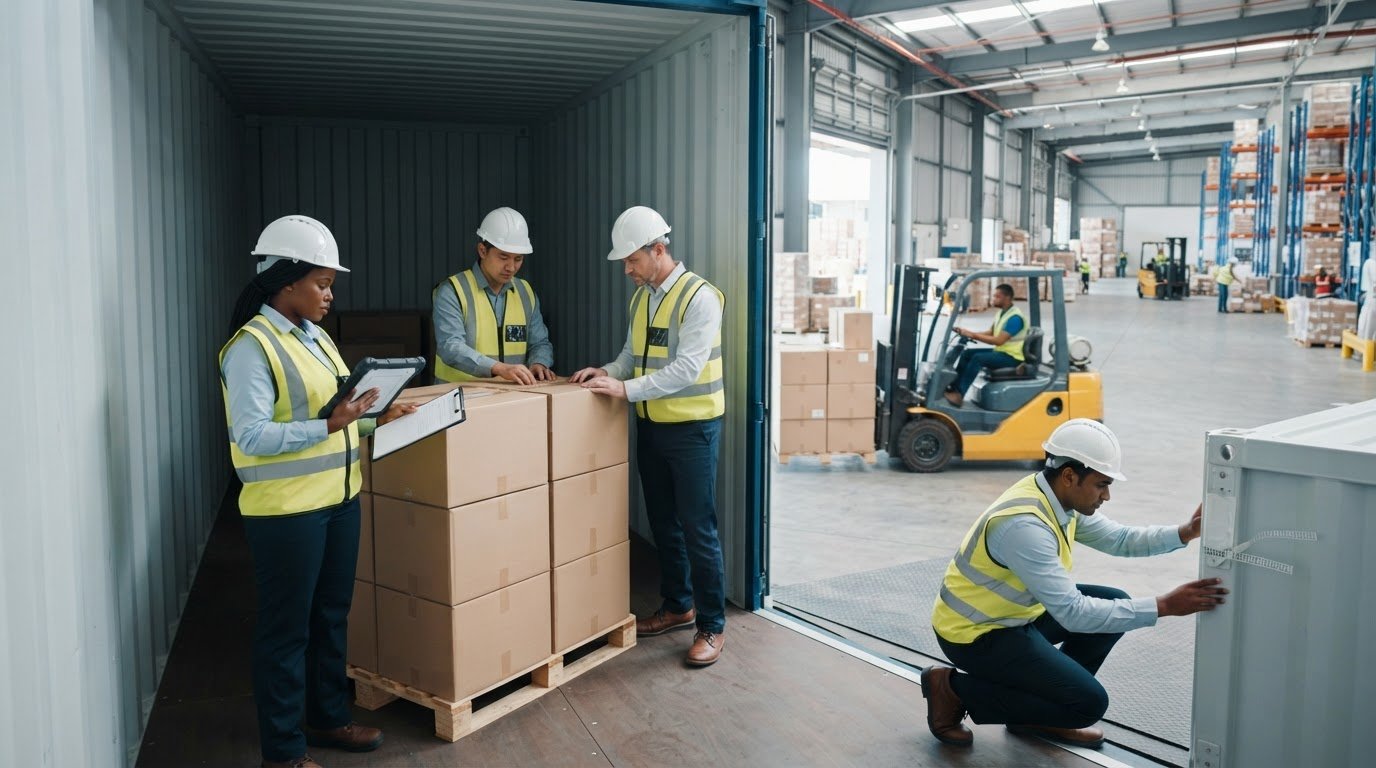
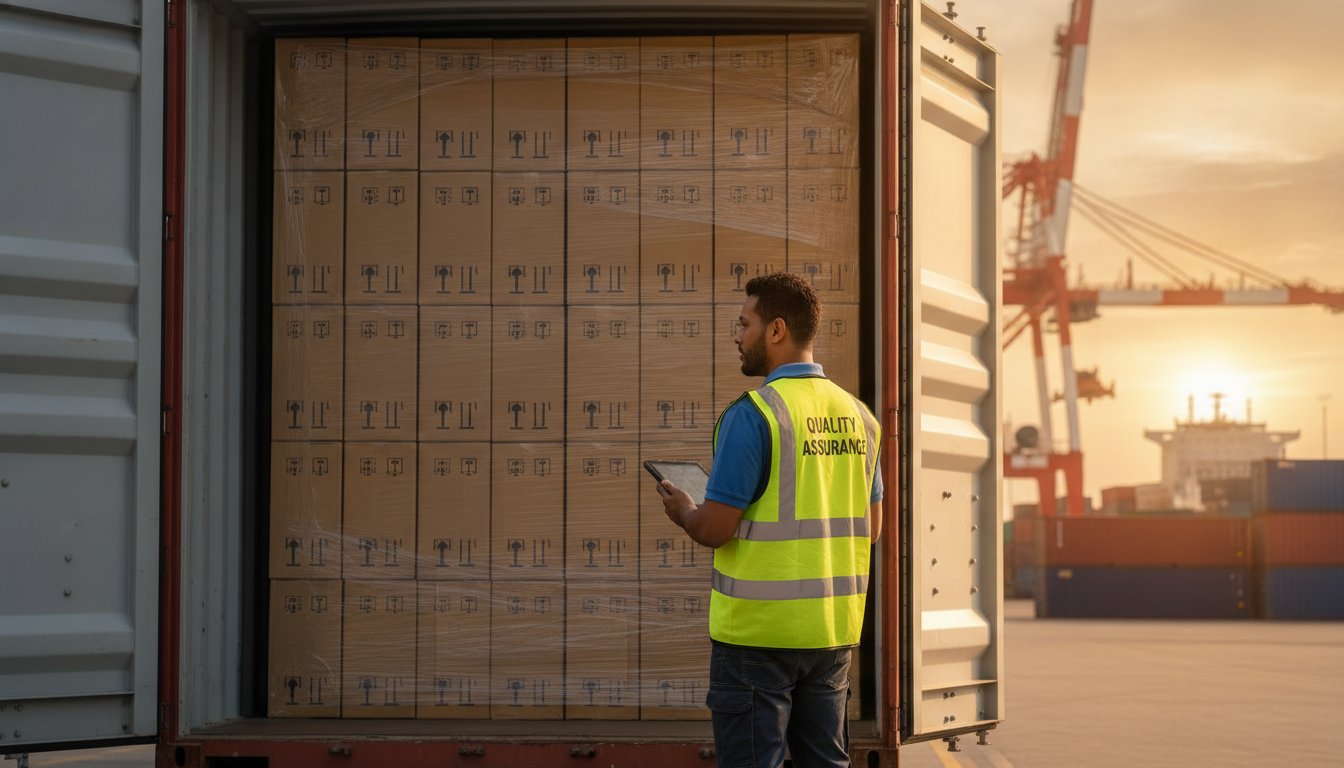
If 576 containers were lost at sea in 2024, how can you be certain yours will arrive intact, fully loaded, and exactly as ordered? Learning how to verify container is loaded correctly is the only way to mitigate these risks before your cargo leaves the factory floor. You've likely dealt with the frustration of receiving damaged goods due to poor stowage or the realization that you've paid for "air" in a half-empty shipment. These aren't just minor inconveniences; they're significant operational risks that lead to avoidable financial loss.
We agree that you need total confidence that your Bill of Lading matches the physical reality of your shipment. This guide provides a methodical approach to cargo security, from checking CSC plates to ensuring compliance with the latest 2026 IMO and SOLAS regulations. You'll master a clear checklist for verifying container integrity, validating quantities, and ensuring that every cubic meter of space you paid for is used effectively to prevent transit damage.
Key Takeaways
- Define Container Loading Inspection (CLI) as a critical safeguard for cargo stowage that prevents insurance claim rejections and costly customs delays.
- Discover a 5-step checklist for auditing container integrity, including how to detect moisture, odors, and structural defects before loading begins.
- Master how to verify container is loaded correctly by identifying red flags in supplier reports, such as missing interior photos or improper weight distribution.
- Learn why third-party verification is essential to eliminate the factory's conflict of interest and secure evidence for potential shipping disputes.
- Transition from passive shipping to active risk management by ensuring your carton counts and packaging standards match your Bill of Lading exactly.
What Does it Mean to Verify Container Loading Correctly?
A Container Loading Inspection (CLI) is the rigorous process of supervising the stowage of goods to ensure quantity, quality, and safety. Many importers mistakenly assume that once production is finished, the risk is over. In reality, the loading phase is where significant financial loss often begins. Understanding how to verify container is loaded correctly is about more than just witnessing boxes move; it's about establishing a secure chain of custody and confirming that your investment is protected for the long haul.
The stakes of this verification are exceptionally high. If your cargo arrives damaged due to poor stowage, insurance companies frequently reject claims, citing "insufficiency of packing" as a loophole. Discrepancies between the physical cargo and the Bill of Lading can also trigger intensive customs examinations, leading to storage fees and delivery delays. To mitigate these risks, the process rests on three pillars:
- Container Integrity: Confirming the box is structurally sound, dry, and free of defects or previous cargo residue.
- Cargo Accuracy: Verifying that SKU counts, packaging, and labeling match the manifest and your specific requirements.
- Stowage Security: Ensuring weight is distributed evenly to prevent shifting or crushing during transit.
This process includes complying with 2026 SOLAS requirements and the application of tamper-evident security seals to ensure the shipment remains untouched. Container Loading Inspection serves as the final point of control in the supply chain before goods enter international waters.
The Difference Between PSI and CLI
It's vital to distinguish between a Pre-Shipment Inspection (PSI) and a CLI. A PSI focuses on the product itself, checking for defects, functionality, and aesthetic standards. However, even a perfect product can be ruined by poor container conditions or improper stacking. Learning how to verify container is loaded correctly ensures that while the PSI confirms the goods are right, the CLI confirms those goods actually reach the container in the correct volume and are protected against the physical rigors of ocean transit. Skipping this step leaves you vulnerable to short-shipments and transit damage that a PSI cannot prevent.
The 5-Step Checklist for Verifying Your Shipment
Establishing a systematic protocol is the only way to eliminate human error and supplier negligence during the final stage of your supply chain. When you understand how to verify container is loaded correctly, you move from a position of hope to one of documented certainty. This five-step checklist provides the framework necessary to protect your investment.
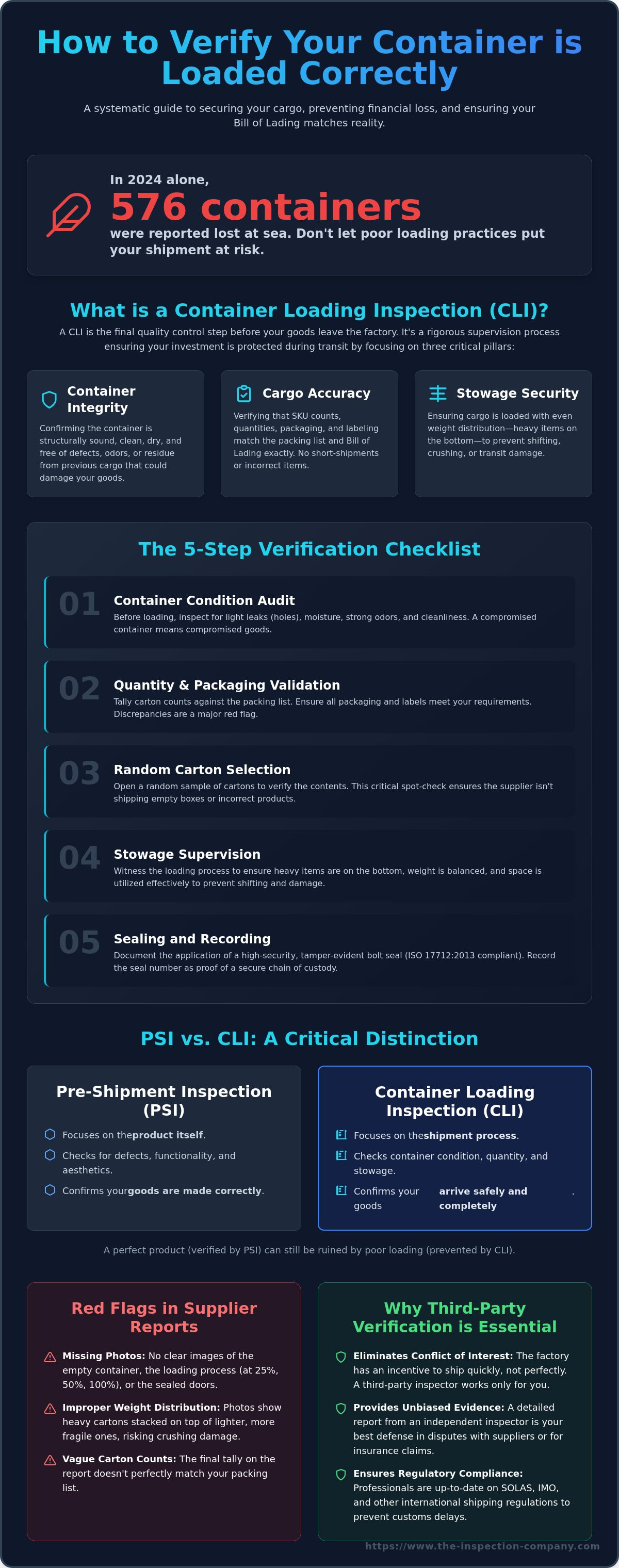
- Step 1: Container Condition Audit. Before loading begins, inspectors must check for light leaks (holes), strong odors, and moisture. Previous cargo residue can contaminate new goods, while structural defects can lead to water ingress during ocean transit.
- Step 2: Quantity & Packaging Validation. Every carton count must align perfectly with the packing list and Bill of Lading. Discrepancies at this stage are red flags for short-shipments that are nearly impossible to recover once the vessel departs.
- Step 3: Random Carton Selection. Perform a "spot check" by opening cartons selected at random. This ensures the supplier hasn't shipped empty boxes or substituted your paid goods with lower-quality stock.
- Step 4: Stowage Supervision. Heavy items belong on the bottom. Load balance is critical to prevent crushing or the container shifting dangerously during rough sea conditions.
- Step 5: Sealing and Recording. Witness the application of a high-security bolt seal. This seal should meet the ISO 17712:2013 standard to ensure it is tamper-evident and compliant with international shipping regulations.
Documenting each of these steps provides the evidence required for insurance claims if things go wrong. If you're concerned about the integrity of your next shipment, it's wise to consult with a regional quality expert before the container is sealed.
Special Considerations for Amazon FBA Sellers
Amazon FBA sellers face exceptionally strict requirements that can result in costly warehouse rejections. You must verify pallet height and weight limits to meet fulfillment center standards before the container leaves the factory. Ensure all labels are outward-facing and scannable without requiring the full unloading of the container. For those managing high-volume shipments to Amazon warehouses, our Amazon FBA Inspection service provides the specialized oversight needed to maintain account health and avoid "problem" flags in Seller Central. Following these protocols ensures your goods are ready for immediate intake upon arrival.
How to Spot Red Flags in Container Loading Reports
A loading report is your primary defense against transit damage and short-shipments. However, a report is only effective if you can interpret the evidence correctly. When reviewing documentation to understand how to verify container is loaded correctly, look for specific visual proofs that confirm the integrity of the process.
The "Empty Container" photo is your first critical checkpoint. You must see the container walls, ceiling, and floor from the inside before any cargo enters. If this photo is missing or blurry, the supplier might be hiding structural defects, moisture, or previous cargo residue that could contaminate your goods. Without this baseline, you cannot prove the container was fit for purpose if a dispute arises later.
Analyze the weight distribution shown in the loading sequence. Gaps between cartons or top-heavy stacking are immediate red flags. Poorly secured cargo will shift during rough seas, especially considering the 576 containers reported lost at sea in 2024. If the report doesn't show a balanced load, you're at high risk for crushed products and insurance claim rejections.
Seal verification requires a high-resolution photo. You must be able to clearly read the unique serial number on the bolt seal. This number must match your Bill of Lading exactly. If the seal photo is taken from a distance or is illegible, the chain of custody is broken. This simple oversight can lead to intensive customs examinations and significant fees. For instance, a physical "Red Flag" inspection can cost $115.00 per container at certain terminals.
Documentation discrepancies are the final warning sign. If the inspector's physical count differs from the supplier's invoice, do not authorize the shipment. These errors often indicate short-shipments where you're paying for goods that never left the factory. If you're unsure how to interpret your latest report, contact our experts for a professional review before your cargo reaches the port.
Common Supplier Shortcuts During Loading
Suppliers often prioritize speed over safety, leading to common shortcuts that jeopardize your cargo. One frequent tactic is loading damaged cartons at the very back of the container where they're hidden from a casual glance. You'll only discover the damage weeks later when the container is destuffed at your warehouse.
Another risk is the blatant disregard for "This Side Up" markings. To maximize space and save on shipping costs, factories might stack fragile items horizontally or upside down. Finally, watch for inadequate filler materials. Using flimsy cardboard or scrap wood as dunnage doesn't provide the shock absorption required for international sea transit. These shortcuts are expensive mistakes that only a professional Container Loading Inspection can reliably prevent.
Why Professional CLI is Your Final Insurance Policy
Relying on a supplier to self-report their loading quality is a fundamental risk. Factories are often incentivized to ship as quickly as possible; this leads to overlooked stowage errors that cause significant transit damage. A professional Container Loading Inspection eliminates this conflict of interest by providing an impartial, third-party audit of the entire process. Our inspectors don't just take photos; they actively verify that the seal is applied in their presence, ensuring no cargo is swapped after the doors close.
A detailed report serves as critical evidence for insurance claims or legal disputes. When goods arrive damaged, carriers often blame the supplier, and suppliers blame the carrier. Without a professional record of how to verify container is loaded correctly, you're left caught in the middle with no recourse. The ROI is clear. The cost of an inspection is a minor expense compared to the total loss of a rejected shipment or an insurance claim denied due to poor stowage. This level of oversight is what differentiates a standard shipping process from a truly secure one.
Ensuring Peace of Mind with The Inspection Company
Our network of 700 plus inspectors across Asia provides on-the-ground eyes at the factory. We understand that speed is essential to avoid vessel delays. Our 24-hour reporting turnaround gives you the data you need to authorize or halt a shipment in real-time. Integrating a CLI into your broader supplier management process creates a robust shield against operational friction. Don't leave your cargo security to chance. Understanding how to verify container is loaded correctly through a professional lens is the final step in a risk-free sourcing strategy. Book a Container Loading Inspection today to secure your next shipment and protect your bottom line.
Secure Your Supply Chain Before It Leaves the Port
Mastering how to verify container is loaded correctly is the difference between a successful delivery and a costly insurance dispute. By implementing a rigorous 5-step checklist and identifying red flags in loading reports, you eliminate the common supplier shortcuts that lead to crushed goods and short-shipments. This proactive approach ensures that your cargo meets international safety standards and arrives exactly as documented on your Bill of Lading.
The Inspection Company provides the oversight necessary to mitigate these high-stakes risks. With over 700 full-time inspectors across Asia and European management standards, we offer a unique blend of international quality and local operational presence. You'll receive comprehensive reports within 24 hours. This speed provides the transparency needed to maintain total control over your inventory and vessel schedules. Don't leave your cargo security to chance when a professional audit is your final line of defense. Secure your cargo today; book a professional Container Loading Inspection.
Frequently Asked Questions
Can I verify a container loading remotely without an inspector?
Remote verification is fundamentally flawed because it relies on the supplier’s curated view. Factories can easily omit photos of damaged walls or hide short-shipments behind a few well-placed boxes. A physical, third-party presence is the only method to guarantee that the loading process is transparent and that the seal is applied in real-time. This prevents the shipment from being tampered with after the verification ends.
What is the most common mistake made during container loading?
The most common mistake is poor weight distribution and the failure to use adequate dunnage. Suppliers often stack heavy crates on top of lighter cartons to save space; this inevitably leads to crushed products during ocean transit. Knowing how to verify container is loaded correctly requires a visual check of the stacking logic. Balanced loads are essential to prevent the container from becoming unstable during rough sea conditions.
How do I know if a shipping container is 'sea-worthy'?
You can identify a sea-worthy container by checking the CSC plate for a valid inspection date and performing a weather-tight test. This involves entering the container and closing the doors to look for light-leaks that indicate holes. Furthermore, the floor must be dry and free of chemical smells. Containers must be inspected every 30 months to maintain their safety certification, ensuring they can withstand the rigors of international transport.
What should I do if my container loading report shows a discrepancy?
You should refuse to authorize the shipment if the report reveals a discrepancy in quantity or seal identification. Once the container leaves the factory, your leverage over the supplier vanishes. Use the inspector’s findings to demand an immediate recount or a reload of the cargo. This proactive step prevents the high costs of customs delays and ensures your Bill of Lading remains a legally accurate document.
Does a container loading inspection include product quality testing?
No, a loading inspection is designed to verify stowage and quantity rather than individual product functionality. While the inspector will perform a spot check to confirm the cartons contain the correct SKUs, detailed testing occurs during a Pre-Shipment Inspection. Learning how to verify container is loaded correctly ensures the cargo is safe for transit, while other inspection types focus on whether the products meet your technical specifications.