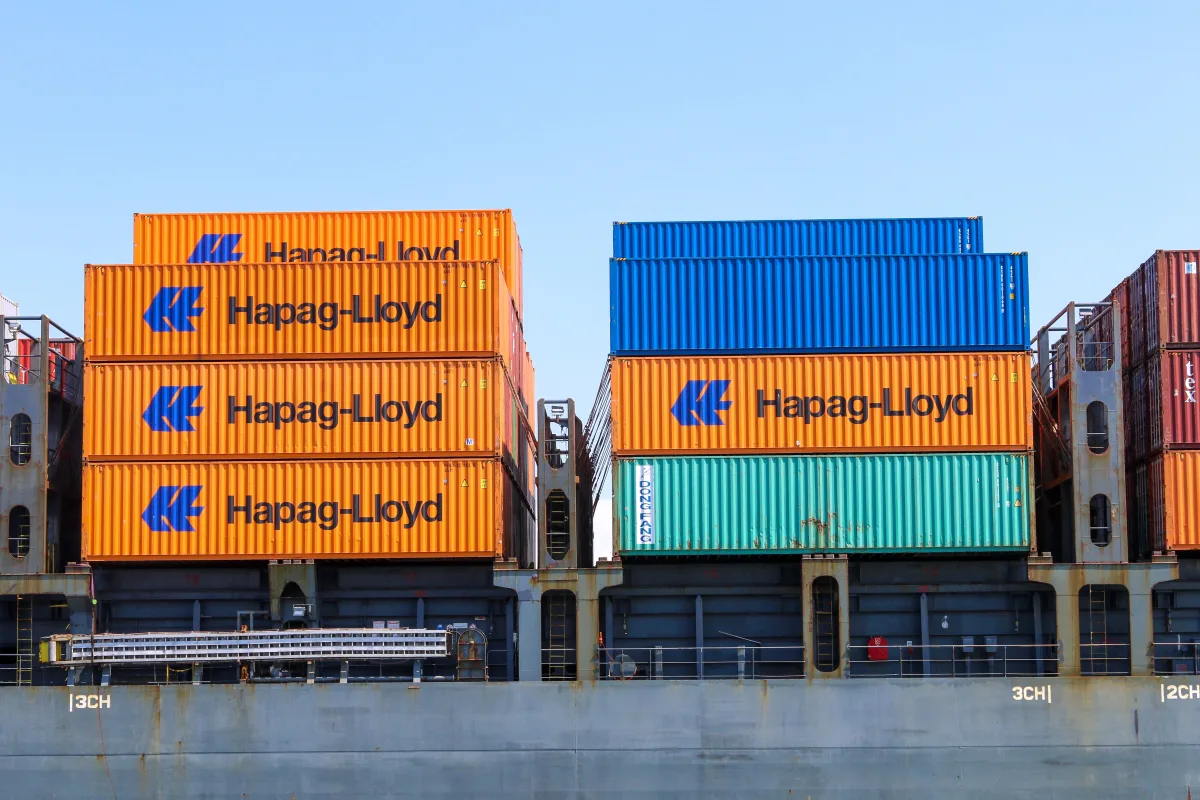
Cargo often changes hands after it leaves the factory. It is discharged at a port, stored or consolidated in a warehouse, or loaded onto a vessel. Each of these moments is a point where the quantity, the condition of the packaging and the state of the seals are worth checking, and the buyer is often not there to see it.
This guide is written for importers, traders, freight forwarders and procurement teams. It explains what a cargo survey is, where it takes place in China, Vietnam, India and across Asia, what the inspector records, why each part matters, and how to prepare for one. The full service description is on our cargo survey page.
Key Takeaways
- A cargo survey is an independent on-site check of goods at sea ports, terminals, warehouses or onboard ships, giving you a record of the cargo at the moment it is handled.
- The inspector verifies quantity against the packing list, checks shipping marks and packaging, records visible damage, and notes container and seal numbers where applicable.
- Every finding is backed by photographs, which gives you a neutral record to share with your supplier and logistics partners.
- The report records the cargo as observed in the inspector’s presence, so the survey should be booked for the confirmed handling date, with access and documents arranged in advance.
What a Cargo Survey Is and Why It Exists
A cargo survey is an independent on-site inspection of goods at sea ports, terminals, warehouses or onboard ships. The inspector checks the quantity, shipping marks, packaging and visible condition of the cargo, and supervises its loading, discharge or transfer. All findings are documented with photographs.
The reason it exists is simple. Once goods leave the factory, several parties handle them: terminal staff, warehouse teams, carriers and forwarders. When something goes wrong, each party has its own account. A neutral record made by an independent person who was present gives everyone the same starting point for the conversation.
Independence is the point
An independent inspector is not one of the parties handling the cargo, which is what makes the photographs and notes useful when you discuss a discrepancy with your supplier and logistics partners. TIC was founded in 2007 with European management and is an ISO/IEC 17020 accredited Type A inspection body. Inspectors sign an anti-bribery contract after every inspection.
On-site presence in Asia
Cargo surveys are carried out by Asia-based inspectors. TIC has 685+ Asia-based inspectors available for on-site cargo surveys, and the service is offered in China, Vietnam, India and across Asia.
Where a Cargo Survey Takes Place
A cargo survey takes place where your goods change hands after leaving the factory. There are three typical locations, and each answers a slightly different question.
At sea ports and terminals
The inspector attends the port or terminal to check the cargo, packaging and containers before loading or after discharge, and records what is found on-site. A survey before loading shows the condition of the cargo as it is about to go onto the vessel. A survey after discharge shows the condition in which it arrived.
In warehouses
Cargo that is stored or consolidated in a warehouse is checked for quantity, shipping marks, packaging condition and storage conditions before it moves on. This matters because goods from different suppliers may be combined in one place, and storage conditions can affect packaging and the goods inside.
Onboard ships
Where access is granted, the inspector observes the cargo onboard the vessel and documents its visible condition and how it is handled and stowed.
What the Inspector Records and Why It Matters
A cargo survey delivers clear documentation and photographic evidence of your cargo at the port, warehouse or vessel, so you know what was handled, in what condition, and how. The table below summarises the main parts and the reason behind each.
Site and cargo condition record
The inspector records the condition of the survey location, whether a terminal, warehouse or vessel area, along with the weather and the visible condition of the cargo. This includes damage, wet or moisture marks and broken packaging. Weather and site conditions are recorded because they can affect the cargo during handling, and a later question about damage is easier to discuss when the conditions on the day are on record.
Quantity and marks verification
The available quantity is counted and compared with the packing list. Shipping marks, labels and product identity are checked on randomly selected cartons or packages. Quantity matters because a shortfall noticed late is hard to place in the chain. Marks matter because they tie the physical cartons to your order and your documents.
Container and seal recording
Where the cargo is containerised, the container numbers, container condition and seal numbers are recorded in the report, together with photographs of the doors and applied seals. Seal numbers are recorded so that the seal on the container can later be compared with the number in the report and in your shipping documents. A mismatch is something you would want to know about.
Loading or discharge witnessed on-site
The inspector supervises the loading, discharge or transfer of the cargo in person and documents how it is handled, stowed and secured, as observed during the agreed survey period. Handling is where cartons can be dropped, crushed or exposed to the weather, so having someone present who documents it gives you a record of how the cargo was handled during the survey period.
How a Cargo Survey Works Step by Step
The Inspection Company follows a structured 8-step process to document your cargo at the port, warehouse or vessel.
Steps 1 to 4: checking the space, the conditions and the goods
- Container or storage area checked. The inspector looks for visible holes, cracks, damage or conditions that may allow water or moisture to reach the cargo.
- Weather and site conditions reported. Relevant port, warehouse or vessel conditions that could affect the cargo during handling are recorded.
- Quantity verified against the packing list. The total available quantity is checked and compared with the packing list.
- Random sample verification. Random cartons or packages are selected to verify product identity, shipping marks, labelling, packaging and visible condition.
Steps 5 to 8: handling, monitoring, notification and reporting
- Handling overseen in person. The inspector oversees the loading, discharge or transfer and documents how the cargo is handled, stowed and secured.
- Continuous monitoring during the survey. The inspector remains on-site during the agreed survey period and monitors the cargo and its handling throughout that time.
- Immediate notification of critical issues. The client is notified promptly if serious discrepancies are identified, such as incorrect goods, major quantity differences, damaged packaging, or unsuitable storage or container conditions.
- Detailed photo report provided. A thorough report with photos is provided for your review.
Why prompt notification matters
Step 7 is easy to overlook, but it matters in practice. If the inspector finds incorrect goods or a major quantity difference while the cargo is still being handled, you can start talking to your supplier and logistics partners straight away, rather than reading about it later in a report.
Cargo Survey and Other Inspections
A cargo survey is closely related to a container loading inspection. The checks are very similar. The difference is the location: a container loading inspection takes place at the factory or the supplier’s loading site, while a cargo survey takes place further along the supply chain, at sea ports, in warehouses or onboard ships.
Thinking about the whole supply chain
Buyers often think about quality in stages. Inspections at the factory, such as a during production inspection or a pre-shipment inspection, look at the goods while they are still with the supplier. A cargo survey looks at the cargo later, where it is handled by terminals, warehouses and vessels. If goods have already arrived and you are dealing with damage, a post-shipment damage inspection is a separate service to look at.
Preparing for a Survey and Understanding the Report
A cargo survey works best when it is planned. A few practical points help you get a useful result.
Book in advance and arrange access
A cargo survey should be booked in advance for the confirmed date the cargo will be handled. Access to the port, warehouse or vessel, the cargo documents and the handling team should be arranged before the inspector arrives. Without these, the inspector may not be able to complete the checks.
Confirm the handling time
The handling time should be confirmed before the inspection. Waiting time, late vessel or container arrival, or handling that continues beyond the booked inspection time may require additional inspection hours or an additional man-day. Agreeing the expected timing at the start avoids surprises later.
What the report contains
After the survey, TIC provides an inspection report which includes:
- Photographic evidence of the cargo, packaging and handling
- Verification of quantity and marks compared with the packing list
- Container and seal numbers, where applicable
- Inspector’s notes on any discrepancies or concerns
Serious issues identified during the survey can be communicated promptly where agreed.
What the report cannot do
The report records the cargo condition as observed in the inspector’s presence. TIC cannot control the cargo, container or seal after the inspector leaves the survey location. It is a record of a moment in time, and it is most useful when the survey is timed for the moment that matters to you, such as before loading or after discharge.
Conclusion
Goods are exposed when they are being handled at ports, in warehouses and onboard ships. A cargo survey gives you an independent person on-site who counts the cargo, checks marks and packaging, records visible damage, notes container and seal numbers, watches the handling and documents it all with photographs. That record helps you have a factual conversation with your supplier and logistics partners. Our cargo survey service is built around exactly this approach.
If you have cargo being handled in China, Vietnam, India or elsewhere in Asia, request a quote or contact our team. Tell us the location, the handling date and the type of cargo, and we will confirm what your survey needs.