Pumps, compressors, generator sets, switchgear and skid packages are expensive, often built to order, and hard to replace once they are on site. When these units are bought from suppliers in China or elsewhere in Asia, a fault that nobody noticed at the factory can stop a whole project at commissioning, long after the supplier has been paid.
This guide explains how independent oil, gas and power equipment inspection works in practice. It is written for importers, EPC contractors and procurement teams, and it covers what is checked, why each check matters, which defects turn up most often, and which inspection stage suits which risk.
Key Takeaways
- Many risks in energy equipment are hidden inside the finished unit: a wrong component, an alignment error, wiring that differs from the drawing, or a test that was never properly run.
- Each equipment type needs its own checklist, because a pump, a generator set and a switchgear panel are built and fail in different ways.
- Assembly and wiring problems are cheapest to fix before the equipment is tested and painted, so most buyers combine two or more inspection stages.
- A third-party inspector checks the unit against your purchase order, datasheets, drawings and referenced standards, and reports with photos within 24 hours of the inspection.
Why Energy Equipment Needs Its Own Checks
A pump that leaks at the seal, a generator that will not hold its rated output, or a panel wired differently from the drawing can all look finished on the factory floor. The problem only shows once the equipment is installed and commissioned, which is the most expensive moment to discover it.
Unlike consumer goods, energy equipment is often built to order. Each unit is built to a specification, and each one has to be checked individually against several reference points:
- Your purchase order: the agreed scope, quantities and options.
- Approved datasheets and drawings: the design the supplier committed to build.
- Referenced standards: whatever the order names as the basis for build and test.
- Test records: the evidence that the unit was run, loaded or electrically tested.
Where the order requires it, factory tests can also be witnessed rather than just reviewed on paper. An on-site inspection does all of this at the factory, before the equipment is preserved, crated and shipped, when a correction is still practical.
Equipment Types and Their Checklists
A centrifugal pump, a generator set and a switchgear panel are built and fail in different ways, so a single generic checklist does not work. A good inspector works to the checklist that matches what you are actually buying.
Pumps and compressors
This group covers centrifugal and positive-displacement pumps, compressors and blowers. The inspector looks at casing and impeller condition, shaft alignment and coupling, seal condition with a leak check, and the performance and vibration test records. Misalignment and weak seals are the kind of faults that shorten service life quickly once the machine runs under load.
Generators and engines
For generator sets, engines and turbines with their auxiliaries, the checks cover assembly and mounting, load test results or witnessing, control panel and protection functions, and the fuel, cooling and exhaust connections. A load test is the most direct proof that the unit can deliver what its rating says.
Transformers and switchgear
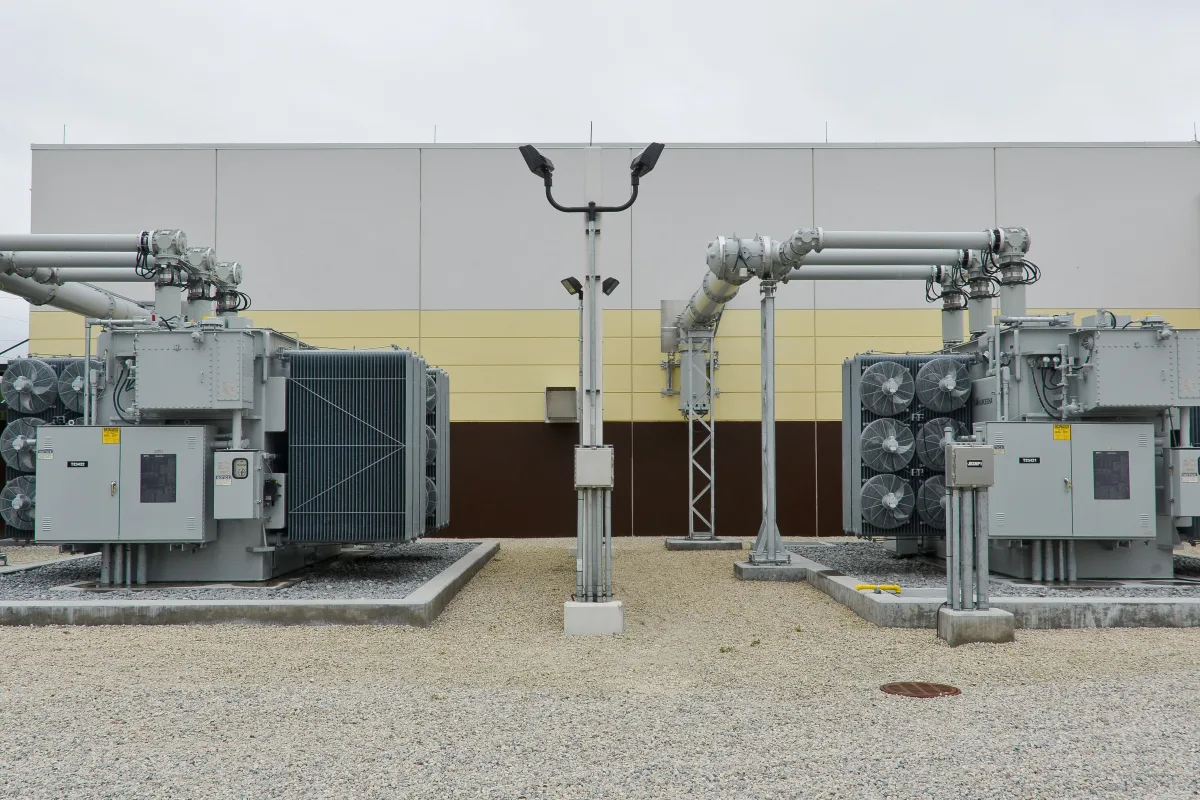
Power and distribution transformers, switchgear and control panels are checked for wiring and terminations against the drawings, electrical routine test records, earthing and insulation, and nameplate and rating data. Wiring errors in particular are easy to miss visually but costly to correct on site.
Skid packages and process units
Metering skids, process modules and packaged units combine mechanical, piping and electrical work in one frame. Inspectors check overall dimensions and interfaces, piping, valves and instrument installation, electrical and instrument wiring, and painting, tagging and preservation. Because so many trades meet on one skid, interface problems are common if nobody checks them.
What an Inspection Covers
Whatever the equipment type, every inspection is set up against your purchase order, the approved datasheets and drawings, and the referenced standards. A typical checklist for oil, gas and power equipment covers eight areas.
Whether you need a one-off check or oversight across a full equipment package, the checklist is built around your purchase order and the standards it references, not around a generic template.
Defects Found Before Shipment
The findings below are the ones that most often turn into commissioning delays, warranty claims or rejected equipment when nobody looks before shipment.
Mismatches with the specification
- Components or materials that do not match the datasheet or certificate.
- Interface dimensions or connections outside the drawing.
- Wiring that does not match the drawing, or poor terminations.
- Missing or incorrect nameplate data and equipment tags.
Workmanship and test problems
- Misalignment, loose fasteners or poor assembly.
- Leaks at seals, joints or connections during testing.
- Performance or load test results below the rated values.
- Missing or damaged instruments, or no valid calibration certificates.
Preservation and packing problems
- Missing flange covers, poor preservation or inadequate crating.
None of these is exotic. Each one is far easier to correct at the factory than after the equipment has crossed an ocean and been installed. If your project also includes piping or valves, our pages on pipe fitting and flange inspection and valve and wellhead inspection cover those components in the same way.
Choosing the Right Inspection Stage
Assembly and wiring problems are cheapest to fix before the equipment is tested and painted. For that reason, most buyers combine two or more inspection stages across a production run rather than relying on a single final check.
- Pre-production inspection: verifies main components, materials and documents before assembly starts.
- During production inspection: checks assembly, alignment and wiring while a problem can still be fixed without major rework.
- Pre-shipment inspection: the standard final check on the finished, tested and preserved equipment, before you release payment or shipment.
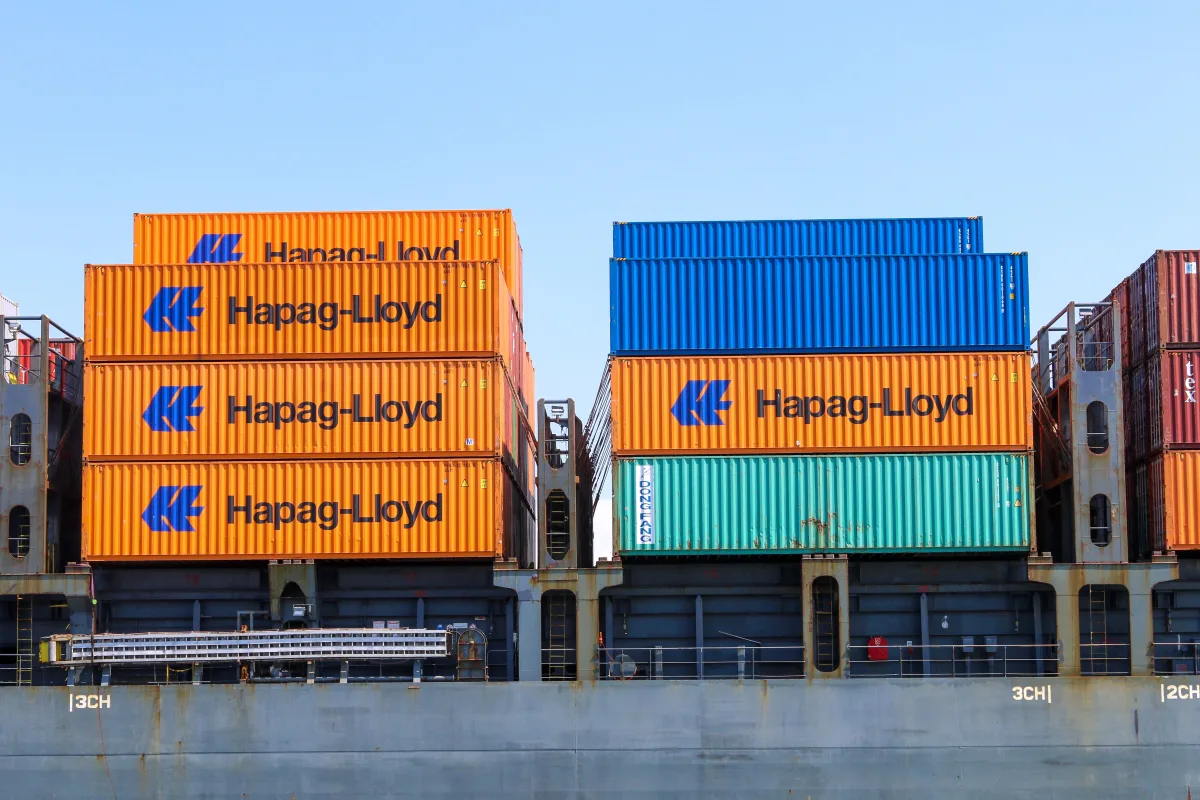
- Container loading inspection: supervises how crates and skids are secured and loaded, which is where heavy, high-value equipment is most at risk of damage.
If you are still choosing a supplier, a factory audit can show whether the factory has the process control to build to your specification in the first place. For a single order, the right mix depends on its value, its complexity and how much of the build you can afford to leave unchecked.
How TIC Supports Energy Equipment Buyers
The Inspection Company (TIC) was founded in 2007 with European management and works with more than 700 professional inspectors across Asia, with service coverage in more than 25 countries. TIC is an ISO/IEC 17020 accredited Type A inspection body, which matters because it signals independence from the factories being inspected. It is also ISO 9001:2015 certified, ISO/IEC 27001 certified, and a member of Sedex and CNAS.
In practical terms, that means the following for an equipment buyer:
- Inspection at the factory: the work is done at your supplier's site, before the equipment ships.
- Fast, photo-backed reporting: a quick report is provided the same day, and the detailed photo report follows within 24 hours of the inspection.
- Integrity controls: inspectors sign an anti-bribery contract after every inspection.
- Standard sampling where it applies: ISO 2859 (AQL) sampling is used where applicable.
- Document checks: certificates, datasheets, test records and component lists are checked against your purchase order.
If your specification calls for factory acceptance tests, tell us early. Where the order requires it, we can witness running, load or electrical tests at the factory, or review the test records, and we will confirm what is possible at your supplier. Most inspections are priced per man-day and depend on equipment type, quantity and location.
Conclusion
Oil, gas and power equipment can fail in ways that a quick visual look cannot reveal. Checking components, interfaces, assembly, wiring, function tests, nameplates and packing against your purchase order, while the unit is still at the factory, is the most practical way to avoid commissioning delays and warranty disputes. You can see the full scope on our oil, gas and power equipment inspection services page, and related pages for pressure vessels and tanks and steel structures if they are part of your project.
Send us your purchase order or datasheet and we will tell you what the order actually needs. Get a free quote or contact our team to book your inspection.