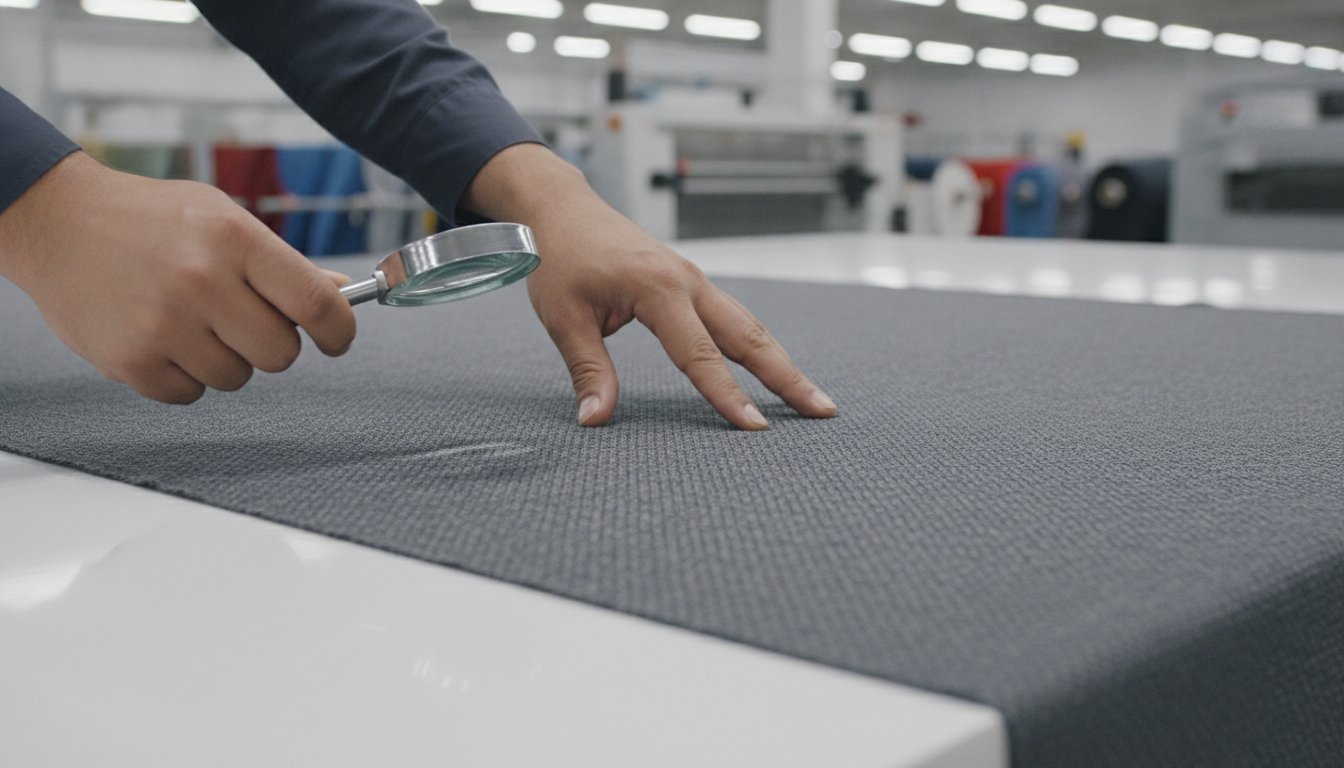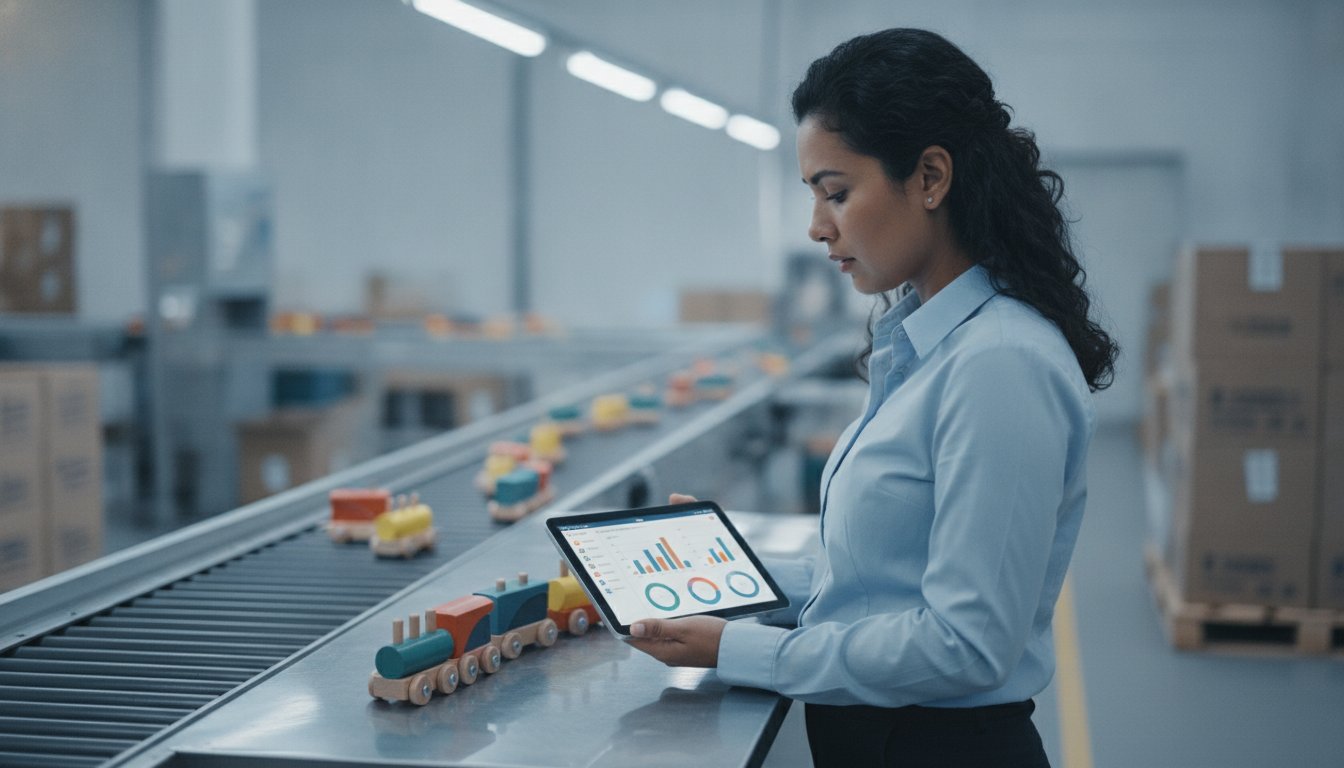

Sending a significant deposit to a supplier you've only met on a digital marketplace is no longer just a business risk; it's a gamble with your company's operational survival. In 2026, the rise of sophisticated ghost factories and complex intermediaries means that a simple profile badge is insufficient proof of legitimacy. To protect your capital, you must implement a rigorous supplier verification china strategy that goes beyond surface-level documentation.
We recognize the frustration of decoding business licenses or fearing that a production run won't match the initial sample. With new supply chain security regulations and the 2026 Export License Management Catalogue now in effect, the margin for error has disappeared. This guide provides a methodical framework to vet partners using official government databases like the GSXT and professional on-site assessments. You'll learn how to identify authentic manufacturers, eliminate hidden middleman markups, and secure your supply chain with the transparency required for high-stakes international trade. By treating verification as a preventative investment, you can move from uncertainty to total control over your sourcing operations.
Key Takeaways
- Understand why digital marketplace badges are no longer sufficient in 2026 and how to identify sophisticated 'ghost factory' setups that bypass standard filters.
- Learn to utilize the NECIPS database and Unified Social Credit Code to confirm a supplier's legal existence and financial health before committing capital.
- Implement professional supplier verification china strategies that prioritize physical on-site audits to confirm a factory's actual production capacity and workforce size.
- Identify the specific limitations of remote vetting and why 'boots on the ground' are essential for detecting operational risks that cameras miss.
- Master a structured roadmap for document validation to ensure bank account consistency and eliminate unnecessary middleman markups.
Why China Supplier Verification is Critical in 2026
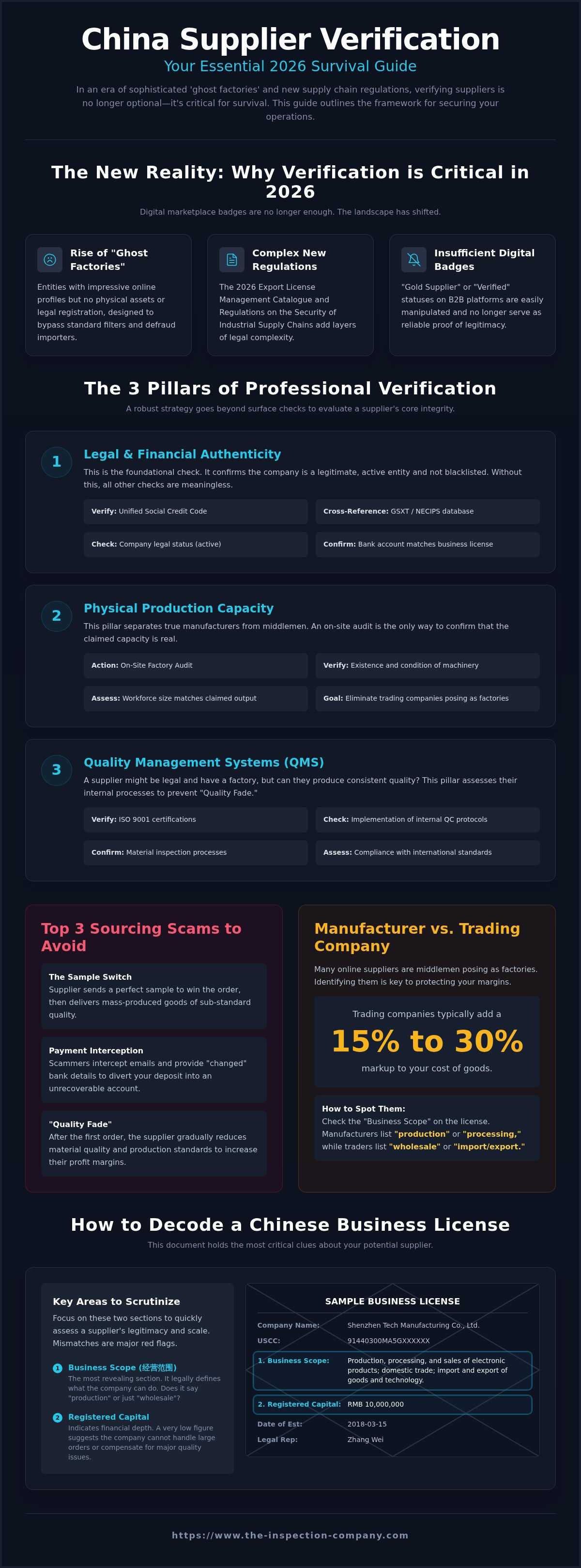
Supplier verification china is a multi-stage assessment designed to confirm a partner's legal standing, production capacity, and financial health. It isn't just a checklist; it's a critical component of robust supply chain management. In 2026, the digital veneer of "Gold Supplier" badges or verified profiles on B2B platforms is easily manipulated by "ghost factories." These entities present impressive online facades but lack physical assets or legal registration. With the 2026 Regulations on the Security of Industrial and Supply Chains now in force, the legal landscape is more complex than ever. Skipping this step often leads to catastrophic results, including the total loss of deposits, intellectual property theft, or "quality fade" where production standards drop after the first order. Supplier verification serves as the first line of defense in a sourcing from asia strategy.
The Difference Between a Trading Company and a Manufacturer
Many suppliers you encounter are actually middlemen posing as factories. While they offer convenience, they typically add a 15% to 30% markup to your cost of goods sold. You can often spot them by examining their business scope on a license; manufacturers will list "production" or "processing," whereas trading companies focus on "wholesale" or "import/export." Identifying the true nature of your partner is a vital part of supplier verification china to protect your margins and ensure you're dealing directly with the source of production.
Common Scams in the China Sourcing Market
Fraudulent tactics have become more sophisticated. The "Sample Switch" remains a primary threat, where a supplier sends a perfect prototype but delivers sub-standard mass-produced goods. Another severe risk involves payment scams. Scammers may intercept communications to claim "changed" bank details just before you send a large deposit. Professional verification ensures that the bank account name matches the business license exactly. This prevents funds from disappearing into unrecoverable accounts and protects your capital from operational friction.
The 3 Critical Pillars of Professional Supplier Verification
Professional supplier verification china relies on a three-dimensional framework. It moves beyond checking a box to evaluating the structural integrity of the partner. A high-level assessment must address legal standing, physical capacity, and internal protocols to be effective. Many importers fail because they only verify the first pillar, leaving themselves vulnerable to "Quality Fade." This phenomenon occurs when a supplier passes an initial check but gradually reduces material quality to increase their own margins over time. Professional factory audits synthesize these three pillars into a quantitative risk score, providing a preventative investment against future operational friction.
- Pillar 1: Legal & Financial Authenticity. This involves cross-referencing the supplier's Unified Social Credit Code against the official National Enterprise Credit Information Publicity System (GSXT/NECIPS). It confirms the company is active and not blacklisted.
- Pillar 2: Physical Production Capacity. Auditors verify that the machinery exists and the workforce size matches the claimed output. This prevents trading companies from posing as manufacturers.
- Pillar 3: Quality Management Systems (QMS). We verify ISO 9001 certifications and the actual implementation of internal QC protocols. Compliance with international standards, such as the Foreign Supplier Verification Programs, is often necessary for legal market entry.
Decoding the Chinese Business License
The "Business Scope" (经营范围) is the most revealing section of a Chinese business license. It explicitly states what a company is legally permitted to do. If you're buying electronics but their scope only lists "textiles," you're dealing with an unlicensed middleman. Registered capital is another vital metric. A low figure suggests the entity lacks the financial depth to handle large-scale orders or compensate you for defective goods. If you're unsure how to interpret these documents, you can consult with an expert to review your supplier's file.
Social and Environmental Compliance
In 2026, Western market access increasingly requires proof of ethical manufacturing. New supply chain security regulations make social audits a mandatory component of the vetting process for many industries. Frameworks like BSCI and Sedex are no longer optional "extras" but essential certifications. These audits ensure your supply chain is free from forced labor and environmental violations, protecting your brand from severe legal and reputational damage.
DIY Verification vs. Third-Party Factory Audits: Navigating the Trade-offs
Importers often rely on digital markers to assess risk, but the e-commerce landscape in China is highly sophisticated. A "Gold Supplier" status or a high transaction level on a B2B platform can be manufactured through "brushing" or shell company networks. While video calls provide a glimpse into a facility, they are easily staged. Suppliers can rent showroom space or hire temporary staff to create the illusion of a bustling production line. Professional supplier verification china requires a physical presence to detect these "audit-dodging" techniques that remote vetting simply cannot catch.
The "Boots on the Ground" advantage provides transparency that a camera lens misses. An on-site inspector evaluates factory cleanliness, observes the actual workforce in operation, and identifies safety hazards that indicate poor management. From a financial perspective, a professional supplier survey is a preventative investment. Consider the cost-benefit ratio: spending a few hundred dollars on an audit is a minor insurance policy when contrasted with the risk of a $50,000 shipment of defective goods. This is a one-time operational cost that forestalls long-term financial complications.
When DIY Verification is Enough
Remote vetting is generally acceptable for low-value sample orders or non-critical components where the financial impact of a loss is negligible. You can verify factory locations by cross-referencing provided addresses with Google Lens and Baidu Maps. If the satellite imagery shows a residential building or a vacant lot instead of an industrial park, you've identified a red flag without spending a cent. This level of supplier verification china is a useful preliminary filter but should never be the final step for significant capital outlays.
When a Professional Audit is Mandatory
High-value contracts, custom-designed products, and Amazon FBA shipments demand a rigorous, on-site assessment. The stakes are too high to leave quality to chance. For these projects, you must adhere to the latest China inspection service standards to ensure your goods meet regulatory and platform-specific requirements. If you're preparing to send a large deposit to a new partner, book a professional factory audit to secure your supply chain before funds leave your account.
Building a Secure Supply Chain: Your Supplier Verification Roadmap
Establishing a resilient sourcing strategy requires a methodical, step-by-step approach. You can't rely on trust alone when dealing with high-stakes international trade. A robust supplier verification china roadmap ensures that every dollar of your deposit is protected by verifiable data rather than empty promises. This structured process moves from digital vetting to physical confirmation, creating a shield against operational friction.
- Step 1: Preliminary Research. Begin by vetting online profiles and requesting a comprehensive "Supplier Profile" document. This initial screen filters out entities that are unwilling to provide basic transparency or fail to meet your minimum criteria.
- Step 2: Document Verification. Validate business licenses and certifications against official databases like the GSXT. Ensure that bank account details match the registered company name exactly to avoid sophisticated payment scams.
- Step 3: The On-site Audit. Deploy a 3rd party inspection company to the physical factory location. This step confirms that the machinery and workforce described on paper actually exist and are capable of meeting your specific output requirements.
- Step 4: Continuous Monitoring. Transition from initial verification to regular pre-shipment inspection. This maintains pressure on the supplier and prevents the "quality fade" discussed in previous sections.
Leveraging the TIC Quality Platform
Digital reporting has transformed how remote buyers manage their supply chains. Our proprietary quality platform provides real-time transparency into factory conditions. With detailed reports delivered within 24 hours, you can make fast "Go/No-Go" decisions before goods leave the floor. This speed is essential for maintaining lean inventory levels and meeting tight retail deadlines without sacrificing quality standards.
The Value of European Management in Asia
A significant gap in the supplier verification china process is the cultural and communication barrier. Our European leadership team bridges this divide by applying international quality standards to local operations. With a network of over 700 local inspectors, we combine regional expertise with strict ethical standards and anti-corruption measures. This localized presence ensures that your audit results are accurate, unbiased, and compliant with Western market expectations, providing the security you need for critical operations.
Securing Your Sourcing Future in 2026
The landscape of Asian manufacturing is evolving, and your vetting process must keep pace. Relying on outdated digital markers or unverified claims puts your deposits and product quality at significant risk. A professional supplier verification china framework is the only way to ensure your partners are legitimate, capable, and ethically compliant. You've seen how physical audits reveal what cameras miss and how document cross-referencing prevents costly payment scams.
The Inspection Company offers the meticulous oversight required for high-stakes sourcing. Our European management team oversees more than 700 local inspectors to provide international quality standards on a local level. You'll receive detailed reports within 24 hours, giving you the data needed to move forward with certainty. It's time to eliminate operational friction and protect your capital. Secure your supply chain today and book a professional Supplier Survey to ensure your next shipment is risk-free. Your business deserves the security of a verified partner.
Frequently Asked Questions
Can I verify a Chinese supplier for free?
Yes, you can conduct preliminary research for free using the National Enterprise Credit Information Publicity System (GSXT). This official government portal allows you to check a company's registration status, Unified Social Credit Code, and legal representative. While the database is in Chinese, browser translation tools can help you navigate the records. This digital check is a vital first step in supplier verification china, but it should be followed by a physical assessment for high-value orders.
Is an Alibaba Gold Supplier status enough for verification?
No, Gold Supplier status is a paid membership and does not guarantee that a company is a legitimate manufacturer. It simply means the entity has paid for a premium profile on the platform. Scammers and small trading companies frequently use these badges to project an image of credibility. You must move beyond these digital markers to verify physical production capacity and legal standing through independent third-party audits.
What documents should I ask for from a Chinese supplier?
You should request a scanned copy of their Business License, ISO 9001 quality certifications, and official bank account details. Carefully examine the "Business Scope" on the license to ensure they are legally permitted to produce your specific goods. In 2026, it is also critical to verify if their products require an export license under the new Export License Management Catalogue. Ensure the bank account name matches the business license exactly to prevent payment fraud.
How much does a professional factory audit in China cost in 2026?
A professional on-site factory audit generally costs between $300 and $600 per factory. This investment covers the inspector's travel, the physical examination of the facility, and the delivery of a detailed report within 24 hours. While some importers hesitate at the cost, this fee is a minor preventative investment compared to the risk of losing a $50,000 deposit to a ghost factory. It provides the transparency required for secure international trade.
What happens if a supplier refuses an on-site audit?
A refusal to allow an on-site audit is a critical red flag and you should immediately terminate negotiations. Legitimate manufacturers are transparent about their operations and welcome professional inspections to build long-term trust. If a partner denies access to a supplier verification china team, they are likely hiding a lack of machinery, poor working conditions, or their status as an unlicensed middleman. Protecting your capital requires walking away from suppliers who avoid third-party oversight.