What if every defective unit in your warehouse wasn't just a manufacturing error, but a logistics tax that compounds with every mile it travels? For global importers, the cost of poor quality is often a silent profit killer that stays hidden until a shipment arrives at an Amazon fulfillment center or a customer's doorstep. You've likely felt the sting of unpredictable financial losses from a batch of faulty goods or the crushing expense of shipping defective items back across the ocean for rework. It's a frustrating cycle that drains your resources and threatens your brand's hard-won reputation.
This guide provides a clear framework to identify, calculate, and eliminate these hidden drains on your profitability. We'll examine how proactive risk mitigation, from rigorous factory audits to pre-shipment inspections, can transform your supply chain from a source of anxiety into a reliable engine for growth. You'll learn how to lower your defect rates, protect your standing on major retail platforms, and secure the higher profit margins your business deserves through methodical quality management.
Key Takeaways
- Identify why hidden costs like lost sales and brand damage are more dangerous to your bottom line than visible scrap or rework expenses.
- Apply the PAF model to transition your operations from high-risk failure management to cost-effective prevention and appraisal.
- Calculate the true cost of poor quality by accounting for the logistics multiplier, where shipping and duties on defective goods become unrecoverable taxes on your margin.
- Utilize the 1-10-100 rule to justify early interventions, ensuring defects are caught at the source before they escalate into hundred-fold losses.
- Establish a strategic roadmap for 2026 by combining rigorous factory audits with clear AQL standards to secure your supply chain.
What is the Cost of Poor Quality (COPQ)?
The Cost of Poor Quality (COPQ) represents the total financial loss your business incurs because a product was not manufactured perfectly the first time. It's essentially an avoidable tax on your profit margins that compounds with every stage of the supply chain. While many importers view quality as a binary pass/fail metric, the reality is more complex. Measuring this cost is the first step toward building a resilient supply chain in 2026. If you don't quantify the leak, you can't plug it.
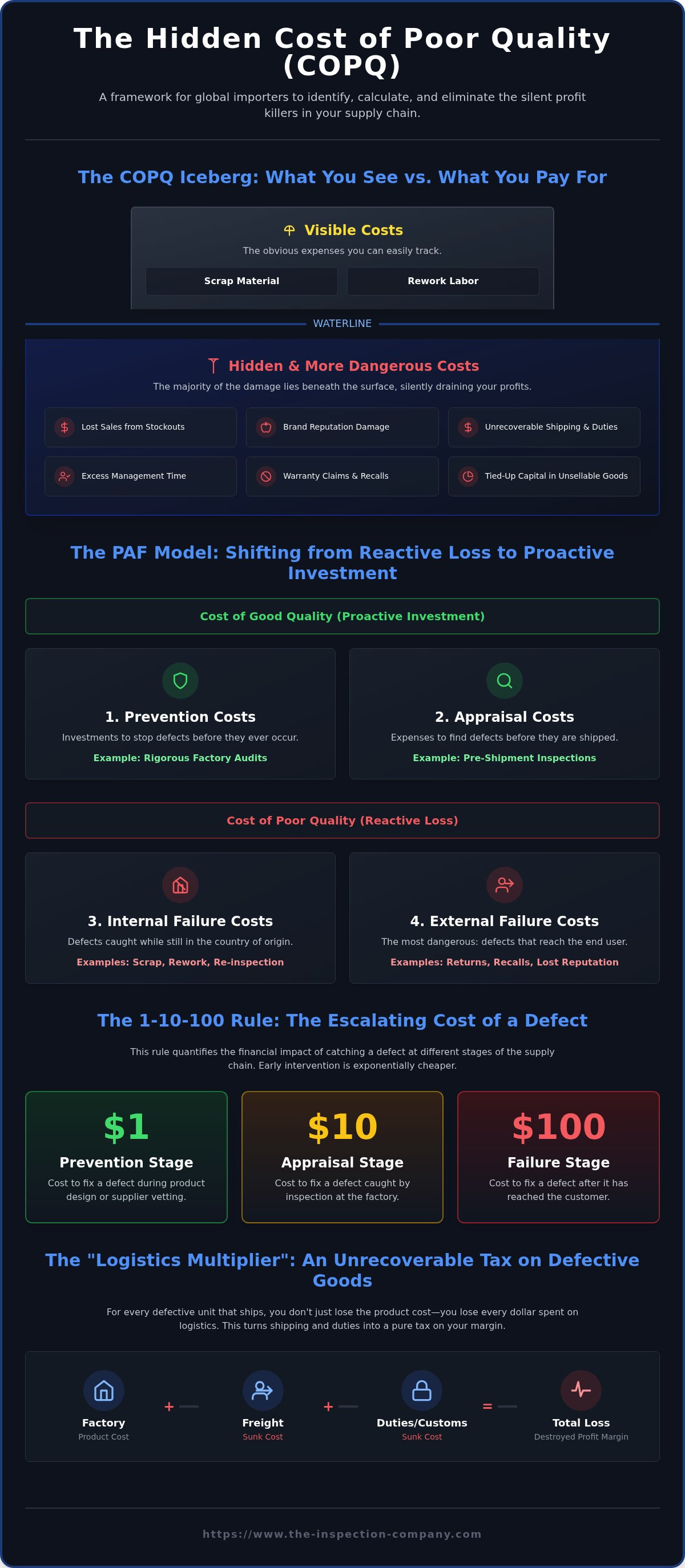
Think of these costs like an iceberg. The visible tip includes expenses you can easily track, such as scrap material or the cost of reworking a batch at the factory. However, the vast majority of the damage lies beneath the surface. These hidden costs often include:
- Lost sales resulting from stockouts or delayed shipments.
- Permanent damage to your brand reputation on platforms like Amazon.
- Excessive management time spent resolving supplier disputes and logistics errors.
- Unrecoverable shipping, insurance, and duty costs on defective units.
COPQ vs. COQ: Understanding the Difference
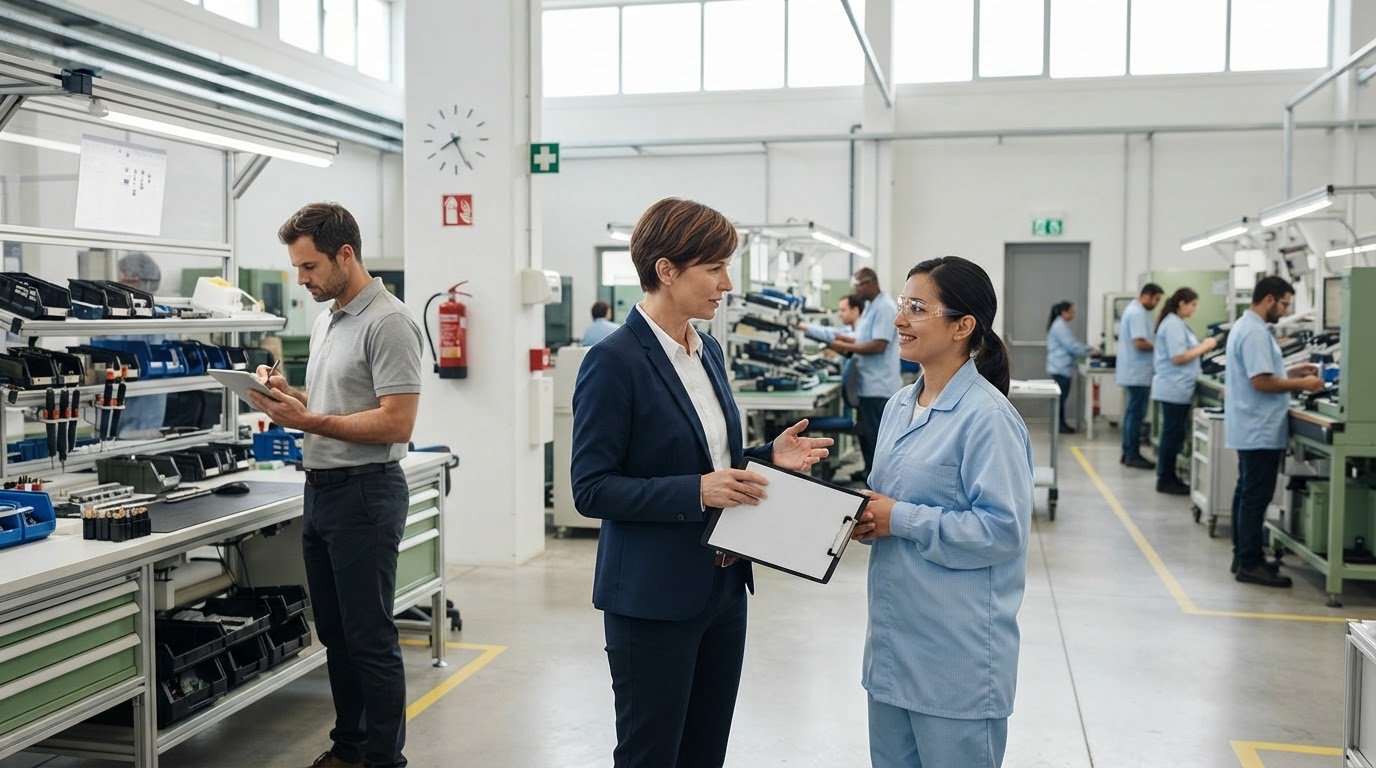
The broader concept, Cost of Quality (COQ), is the sum of two parts: the cost of good quality and the cost of poor quality. The cost of good quality is your proactive investment in prevention and appraisal. This includes conducting a factory audit before placing an order or performing a pre-shipment inspection. Many importers mistakenly try to save money by cutting these "good" costs. This is a strategic error. Under-investing in inspection almost always leads to a massive, unpredictable spike in failure costs later.
Why COPQ Matters for Modern Importers
Global trade has shifted from "just-in-time" to "just-in-case" strategies. To mitigate logistics volatility, businesses now maintain larger buffer stocks. If a defective batch reaches your warehouse, it doesn't just cost you the product value; it destroys your safety net. Defective inventory ties up your capital in unsellable goods. This creates a cash flow bottleneck that can take months to clear. In 2026, supply chain resilience depends on your ability to catch these errors at the source before they cross the ocean.
The PAF Model: Categorizing the Four Costs of Quality
Importers often view quality expenses as a single, vague line item. However, the industry standard for auditing these expenses is the PAF model, which breaks down the cost of poor quality into three distinct categories: Prevention, Appraisal, and Failure. By categorizing your expenses this way, you can clearly see where your capital is being wasted and where it is being invested. The goal is to shift your budget from the "failure" category into "prevention" and "appraisal" to secure your margins.
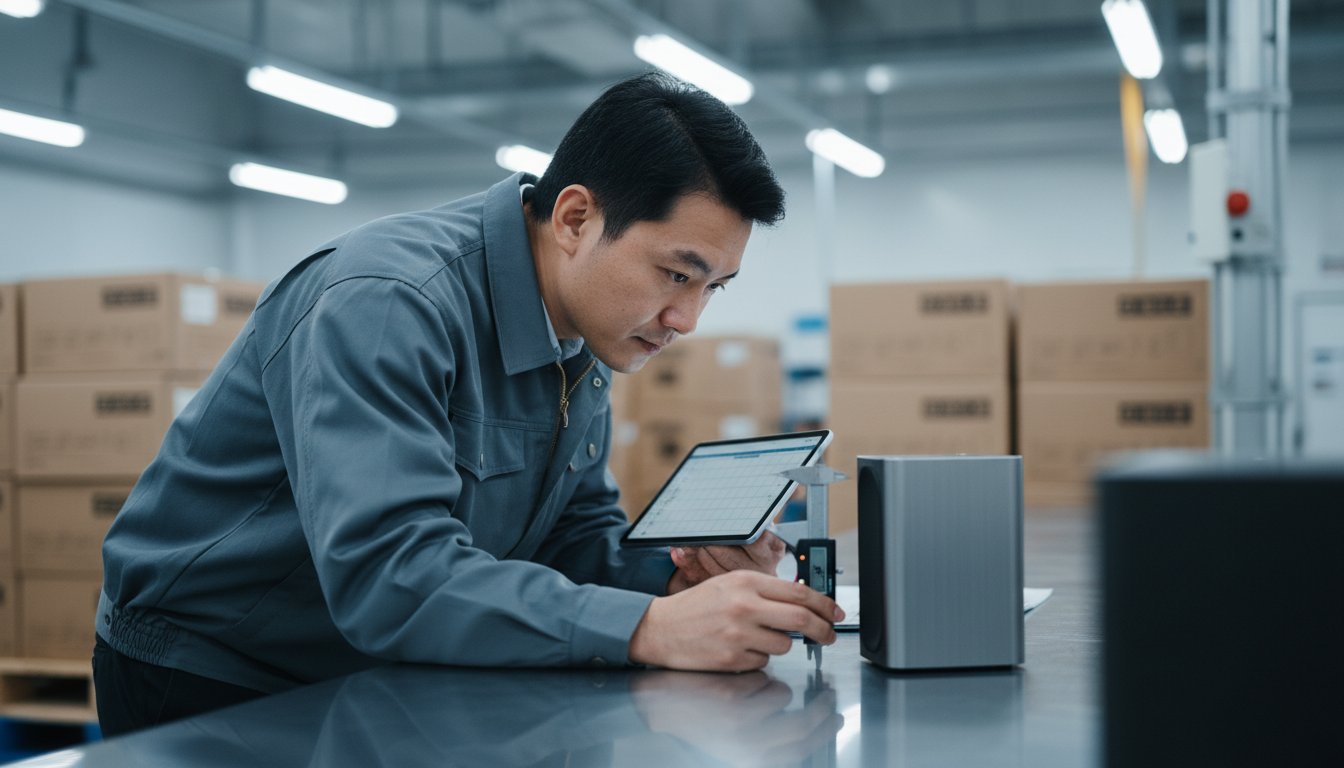
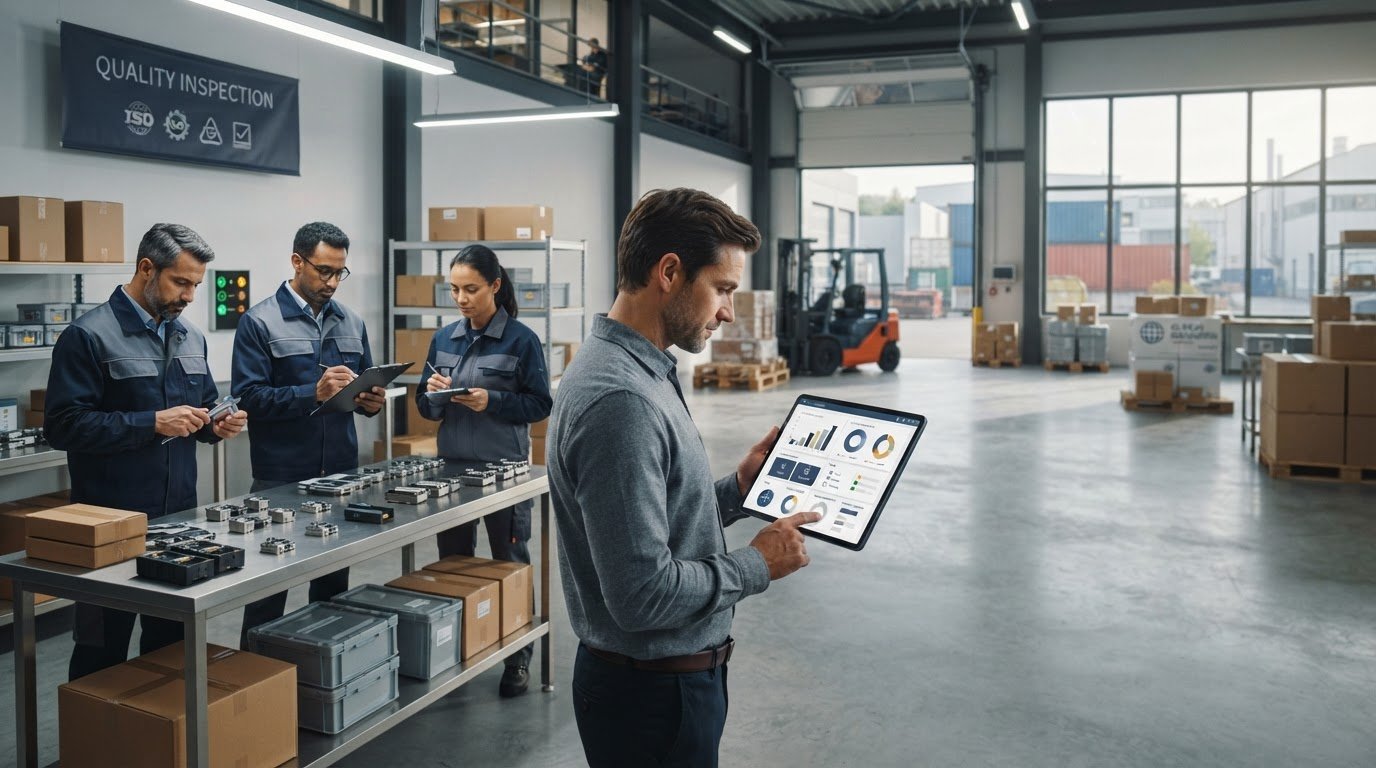
Prevention costs are the investments you make to stop defects before they ever occur. Performing Factory Audits is a primary example; it ensures your supplier has the technical capability and management systems to meet your standards. Appraisal costs involve the expense of finding defects before they ship. By utilizing professional Quality Inspection Services, you create a necessary gatekeeper between the factory floor and your warehouse. The location where you discover a defect changes its financial impact by a factor of ten.
Internal Failure: Finding Defects at the Factory
Internal failures occur when products don't meet standards but are caught while still in the country of origin. These costs include scrap, rework, and the price of re-inspecting corrected goods. While these are still part of the cost of poor quality, they are significantly less damaging than shipping faulty items. Implementing a During Production Inspection is the most effective way to catch internal failures early. It allows for real-time corrections while the assembly line is active, which prevents a minor error from ruining an entire production run.
External Failure: The Profit Killer
External failure is the most dangerous category for global importers. This happens when a defective product reaches the end user. You aren't just losing the unit cost. You're paying for warranty claims, product recalls, and the logistical nightmare of last-mile returns. The specific pain of "shipping defects" means you've paid 100% of the freight, insurance, and duties for items that are essentially scrap. On platforms like Amazon, external failures lead to negative reviews and account health warnings that can permanently damage your brand. If you're unsure how to benchmark your current failure rates, it's wise to consult with a quality expert to identify your biggest risks.
The "Logistics Multiplier": Why COPQ is Higher for Overseas Sourcing
The 1-10-100 rule provides a stark perspective on the cost of poor quality. It suggests that a defect costs $1 to prevent, $10 to catch at the source, and $100 after it reaches your customer. For overseas importers, this "100" is often a conservative estimate. When you source globally, you aren't just paying for the product. You're paying for ocean freight, insurance, and import duties. These costs are 100% unrecoverable when you ship defective units. You've essentially paid a premium to transport scrap halfway around the world.
Time is another hidden multiplier. In 2026, supply chain lead times remain a critical vulnerability. A defective batch discovered at your domestic warehouse can result in 3-4 months of "out of stock" status while you wait for replacements. This isn't just a loss of current revenue; it's a surrender of market share to competitors who have stock ready to ship. A Pre-Shipment Inspection acts as a critical firewall against international logistics waste, stopping faulty goods before they ever incur unrecoverable shipping expenses.
Amazon FBA and the High Cost of Rejections
Amazon sellers face a unique set of quality-related financial risks. FBA removal fees and disposal costs add layers to your cost of poor quality that traditional retailers don't face. Labeling errors or minor packaging defects can lead to entire shipments being rejected at the fulfillment center, forcing you to pay for return freight and rework. Worse, high defect rates trigger account health warnings or total suspension. Our Amazon FBA Inspection service is designed to prevent these external failures by vetting your goods against Amazon's specific requirements before they leave the factory floor.
The Reputation Tax: Brand Damage in the Digital Age
The long-term cost of a 1-star review is far higher than the refund price of a single unit. In an era where social proof dictates purchasing decisions, a quality defect can poison your listing for years. You can't simply "delete" a bad customer experience once it's indexed. This reputation tax makes modern quality management a survival necessity rather than a luxury. If you're ready to protect your brand from these compounding losses, contact our team to secure your supply chain.
How to Reduce COPQ: A Strategic Roadmap for 2026
Reducing the cost of poor quality requires a shift in mindset. You must transition from reactive damage control to proactive risk management. In 2026, the most successful global importers follow a disciplined, four-step roadmap to secure their margins and protect their reputations.
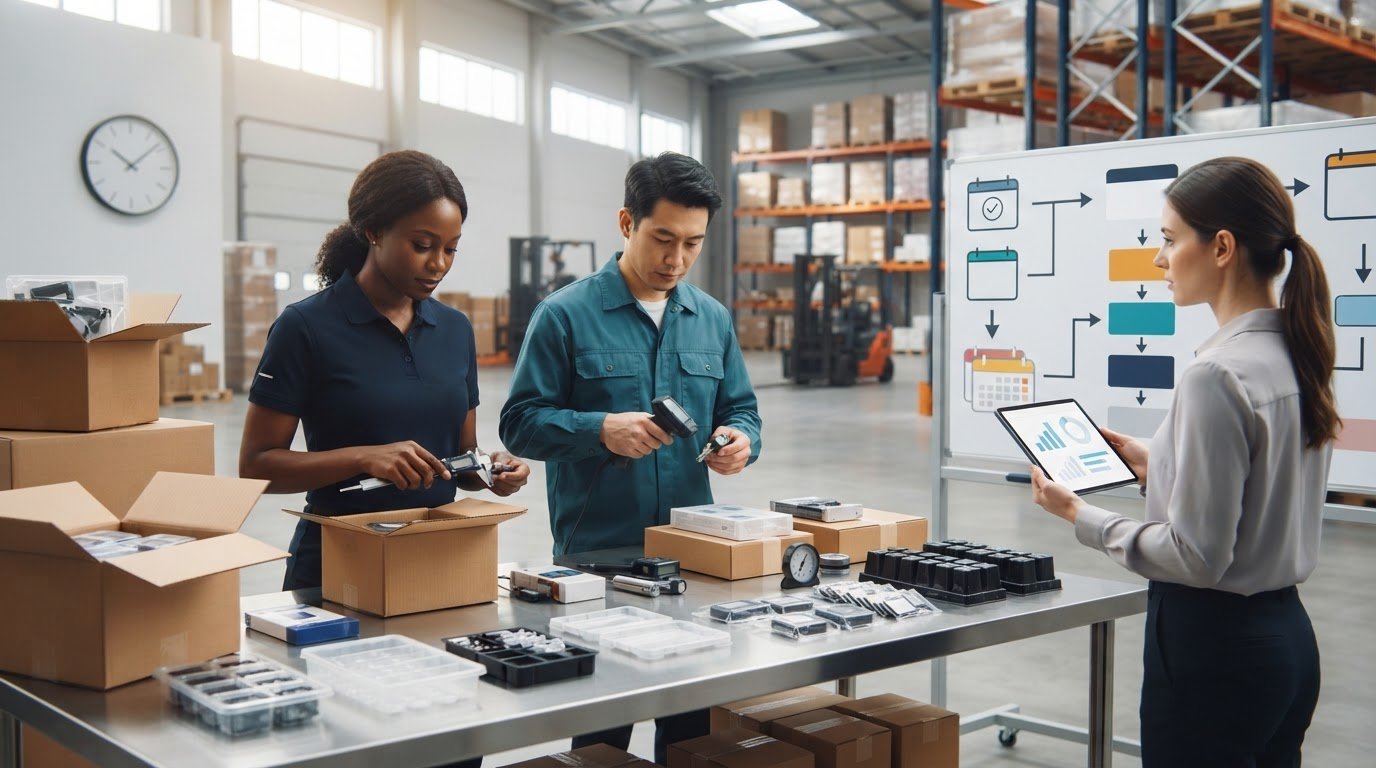
Step 1: Audit your suppliers before signing contracts. Price is irrelevant if a factory lacks the technical infrastructure to maintain consistency. A professional audit confirms they have robust quality management systems in place. Step 2: Define clear quality standards using AQL (Acceptable Quality Limit). This removes ambiguity and provides your inspection team with a clear, mathematical benchmark for success. Step 3: Implement a tiered inspection strategy. Don't rely on a single check. Combine pre-production, during production, and pre-shipment inspections to catch errors when they're cheapest to fix. Step 4: Use data from every inspection report to drive performance. If a supplier consistently fails on specific criteria, use that data to demand process improvements or find a more reliable partner.
Investing in Appraisal to Save on Failure
The math of quality management is simple. Spending 1-2% of your total order value on appraisal services like inspection can save you 15-20% in potential failure costs. These savings come from avoiding unrecoverable freight, duties, and customer refunds. It's also vital to consider the final stage of the journey. A Container Loading Inspection prevents transit-related COPQ by ensuring your goods are packed correctly and the container is structurally sound before it's sealed.
Partnering with a 3rd Party Inspection Company
Internal factory "self-inspections" are often biased and unreliable. To truly minimize the cost of poor quality, you need an independent partner on the ground. The Inspection Company provides this essential layer of transparency. With over 700 inspectors across Asian manufacturing hubs and a strict 24-hour reporting cycle, we provide the data you need to make informed "ship or no-ship" decisions. Our European management combined with localized operational presence ensures that international quality standards are met without the delays that typically plague overseas sourcing.
Securing Your Profit Margins for 2026
Mastering your supply chain requires a move away from reactive crisis management. By understanding the cost of poor quality as a compounding logistics tax, you can protect your bottom line from unrecoverable shipping and duty expenses. A tiered strategy that prioritizes prevention ensures that defects are caught at the source. This protects your capital and your standing on critical retail platforms like Amazon.
The path to higher profitability is built on transparency and independent oversight. With over 700 expert inspectors across Asia and ISO 9001 certified management, we provide the localized presence you need to maintain international standards. Our detailed reports arrive within 24 hours. This speed gives you the clarity required to make critical shipping decisions with absolute confidence.
Stop losing money on defective shipments; book your Pre-Shipment Inspection today. You now have the framework to eliminate hidden quality drains and secure a more predictable, profitable future for your importing business.
Frequently Asked Questions
How do you calculate the Cost of Poor Quality (COPQ)?
You calculate the cost of poor quality by summing all expenses related to finding, correcting, or shipping defective products. This includes tangible costs like scrap and rework, as well as unrecoverable logistics expenses such as freight and duties. You must also account for intangible losses like management time spent on supplier disputes and the projected value of lost future sales from dissatisfied customers.
What is the difference between internal and external failure costs?
The primary difference lies in where the defect is discovered. Internal failure costs occur when errors are caught at the factory, involving scrap or rework expenses before the goods ship. External failure costs occur after the product reaches the customer; these result in expensive returns, warranty claims, and brand damage. Catching a defect internally is significantly less expensive than dealing with an external failure.
Can Pre-Shipment Inspection really reduce my business costs?
Yes, a Pre-Shipment Inspection reduces costs by acting as a final gatekeeper before you commit to international shipping fees. By identifying defects at the source, you avoid paying freight and duties on unsellable inventory. This proactive measure prevents the compounding financial losses associated with catching errors too late in the supply chain.
Is COPQ the same as the Cost of Quality (COQ)?
No, COPQ is a subset of the broader Cost of Quality (COQ) framework. COQ includes both the "Cost of Good Quality," which covers prevention and appraisal, and the "Cost of Poor Quality," which covers internal and external failures. While COQ represents your total quality related spend, COPQ specifically identifies the financial losses resulting from manufacturing errors and process inefficiencies.
How does poor quality impact Amazon FBA sellers specifically?
Amazon FBA sellers face unique financial penalties, including removal fees and disposal costs for defective inventory. Quality issues often lead to negative reviews that lower your conversion rates and organic ranking. High defect rates can also trigger account health warnings or total storefront suspension, making quality management a critical factor for long term survival on the platform.
Why are prevention costs considered an investment rather than an expense?
Prevention costs are an investment because they forestall much larger, unpredictable financial losses. By spending on factory audits or process improvements early, you reduce the likelihood of expensive production errors. This short term expenditure provides a measurable return on investment by protecting your profit margins and ensuring your supply chain remains resilient against external failures.