
A verified business license in 2026 is no longer a guarantee that your supplier actually exists, let alone that they can meet your quality standards. With new 10% tariffs on Malaysian goods and strict India BIS safety standards taking effect this year, the margin for error in international procurement has vanished. You likely feel the constant pressure of sending a significant deposit to a manufacturer you've never visited, fearing you'll receive a container of defective goods or lose the funds to a sophisticated scammer. This is why vetting suppliers in Asia has evolved from a simple background check into a multi-layered necessity for any serious importer.
We understand that language barriers and geographic distance make due diligence feel like a gamble. However, risk isn't an inherent part of trade; it's the result of incomplete information. This guide provides a professional framework to verify Asian manufacturers, helping you eliminate quality risks and financial loss before you authorize payment. We'll examine the critical 2026 compliance updates, provide a clear checklist for factory verification, and show you how on-site presence secures your supply chain. By the end of this article, you'll have the confidence to move forward with large purchase orders, backed by a reliable partner for on-site checks.
Key Takeaways
- Establish a multi-layered verification process that goes beyond digital profiles to identify "ghost factories" and fraudulent business licenses.
- Master the four pillars of professional vetting suppliers in Asia, including legal verification and deep-dive audits of a manufacturer’s Quality Management System (QMS).
- Navigate regional nuances by learning how to distinguish between genuine manufacturers and trading companies in China versus assessing infrastructure readiness in Southeast Asia.
- Secure your capital by integrating independent third-party inspections into your workflow to eliminate the inherent risks and conflicts of interest in supplier self-reporting.
- View comprehensive factory audits as a preventative investment that protects your brand from defective shipments and the catastrophic loss of deposits.
Table of Contents
The High Cost of Poor Supplier Vetting in 2026
Supplier vetting is the rigorous process of verifying a manufacturer's legal status, production capacity, and ethical standards before any financial commitment is made. It is the cornerstone of effective supply chain management. Without it, you aren't just buying goods; you're buying uncertainty. In a global market where transparency is often shielded by layers of intermediaries, vetting is your primary defense against operational failure.
In 2026, the "Ghost Factory" risk has reached a peak. Digital profiles on B2B platforms often display high-resolution images of sprawling facilities and state-of-the-art machinery. However, these are frequently stolen photos or images of a showroom that the "supplier" doesn't actually own. Vetting suppliers in Asia requires more than a desktop review. It requires eyes on the ground to confirm that the factory exists, is legally registered, and possesses the specific machinery needed to fulfill your order requirements.
The financial consequences of negligence are severe. Consider the cost of a single rejected container. Between lost deposits, international shipping fees, and the high cost of disposing of defective goods, the total loss can easily reach tens of thousands of dollars. In contrast, a professional factory audit is a small, preventative investment that forestalls these catastrophic expenses. It's a simple calculation: spending a few hundred dollars today prevents a five-figure disaster tomorrow.
Your brand's survival is also at stake. One batch of substandard products can trigger a wave of negative reviews, leading to immediate Amazon account suspension or delisting from major retail partners. Once your reputation is damaged, the path to recovery is long and expensive. Professional vetting ensures that your products consistently meet the quality standards your customers expect.
Vetting vs. Sourcing: Why the Difference Matters
Sourcing is the act of finding a potential partner. Vetting is the act of proving they're the right one. While sourcing agents often recommend factories based on existing relationships, Mastering the Supplier Management Process requires an independent, third-party perspective. Unbiased verification ensures that the data you receive is accurate and not influenced by hidden commissions or local kickbacks. Don't confuse a polished sales pitch with a verified manufacturing capability.
The 4 Pillars of a Professional Supplier Vetting Process
A structured framework is essential for effective Supply Chain Risk Management (SCRM). When vetting suppliers in Asia, you must look beyond the sales presentation to evaluate the actual operational reality. This involves a deep dive into four critical areas that determine whether a manufacturer is a reliable partner or a liability.
- Legal and Financial Verification: This is the first line of defense. You must confirm the validity of business licenses, tax registrations, and export permits. Forged documents are common; an expert must verify these against local government databases to ensure the entity is legally authorized to manufacture and export your specific product category.
- Quality Management Systems (QMS): A factory might claim ISO 9001 compliance, but you must audit their actual implementation. This includes inspecting their internal QC labs, calibration records for testing equipment, and their process for handling non-conforming materials.
- Production Capacity and Equipment: You need to know if the factory has the physical machinery and manpower to meet your lead times. Without this verification, you risk "shadow outsourcing," where the factory accepts your order but secretly moves production to a smaller, unregulated workshop to save on costs.
- Social and Ethical Compliance: In 2026, ESG standards are non-negotiable. With new enforcement rules regarding forced labor, such as the July 2026 U.S. tariffs on certain Malaysian goods, verifying ethical labor practices is a legal necessity. Failure here can lead to immediate shipment seizures at the border.
If you are uncertain about a potential partner's legitimacy, you can request a preliminary supplier survey to verify their credentials before committing your capital.
On-Site Factory Audits: The Gold Standard
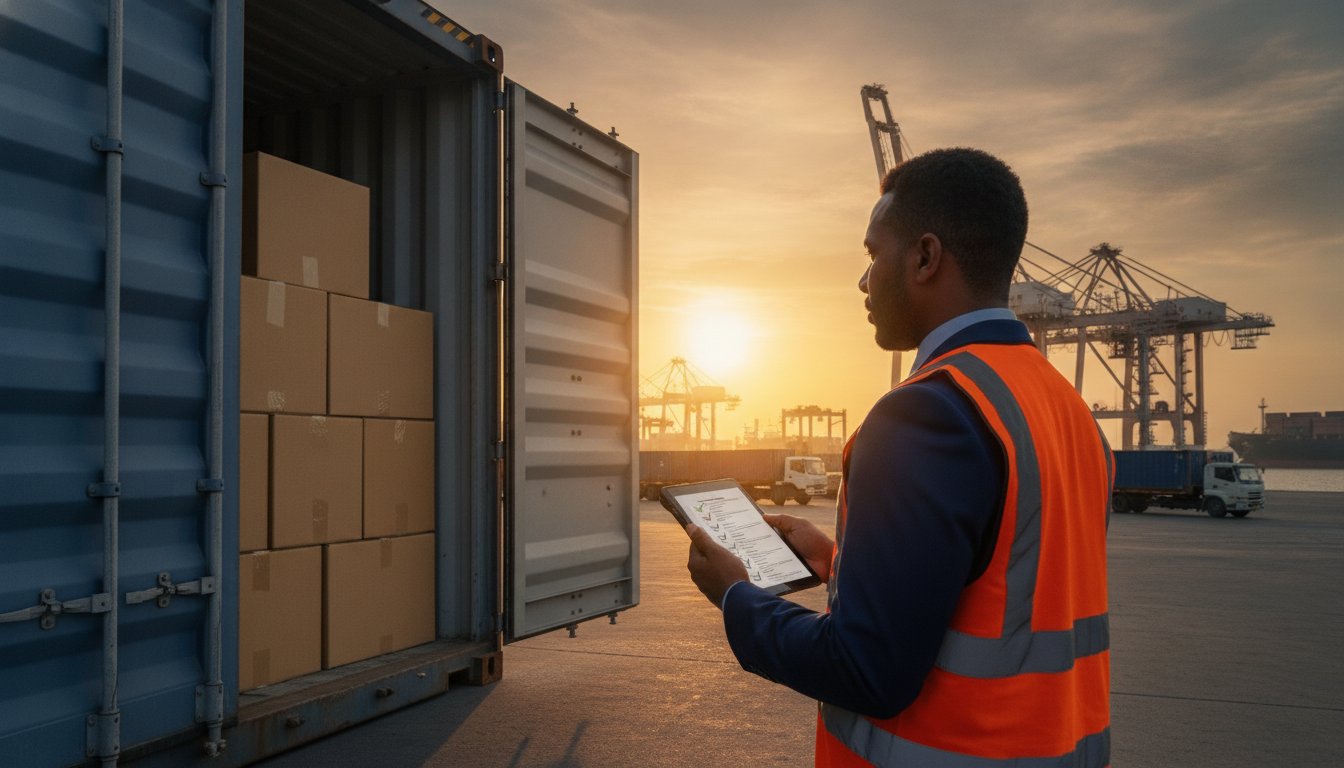
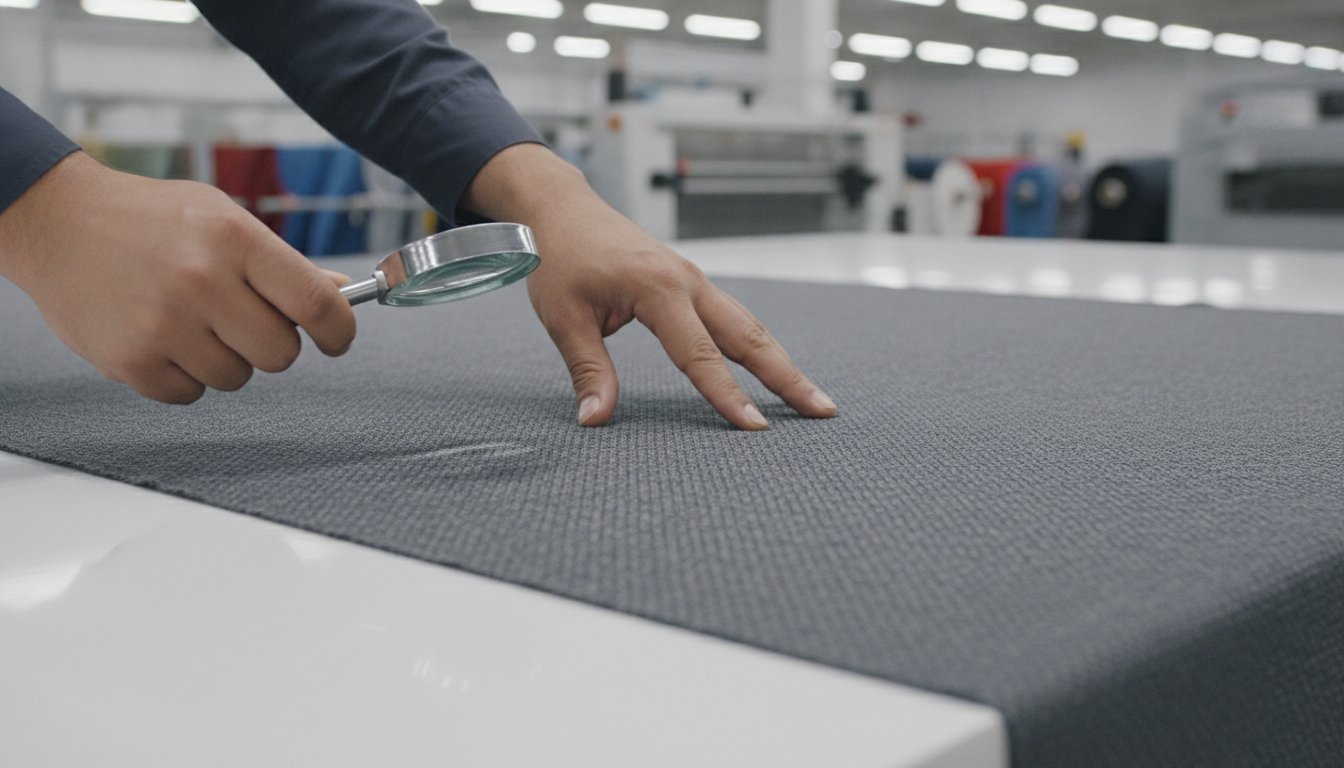
A desktop audit is merely a verification of what a supplier wants you to see, while an on-site visit uncovers the operational truths they might try to hide. During a professional Factory Audit, an inspector physically walks the production line. They look for critical red flags like poorly maintained machinery, disorganized material storage that leads to cross-contamination, and a lack of basic safety gear for workers. These physical indicators often reveal more about a factory’s true quality culture than any digital certificate ever could.
Specialized Vetting for Amazon FBA Sellers
For those selling on e-commerce platforms, vetting must include a review of logistical compliance. This includes verifying that the factory understands and can execute complex FBA labeling and packaging requirements. Integrating an Amazon FBA Inspection into your vetting workflow ensures that your goods arrive at the fulfillment center ready for sale, preventing costly "unfulfillable" inventory errors and account health warnings.
Regional Nuances: Vetting Suppliers in Asia: China vs. SE Asia and India
Global disruptions have forced importers to reassess their supply chains, moving away from a single-source model toward regional diversification. However, the strategies for vetting suppliers in Asia must adapt to the specific manufacturing culture of each country. What constitutes a "verified" factory in a mature market like China differs significantly from the emerging industrial landscapes of Vietnam or India.
- China: The primary challenge here is the "trading company" masquerading as a factory. These intermediaries often present a professional digital front but lack direct control over the production floor. Vetting must involve a physical audit to confirm the factory's ownership and verify that the machinery matches the product specifications.
- Vietnam and SE Asia: While these regions are rapidly becoming major procurement hubs, infrastructure readiness remains a variable risk. Vetting here requires assessing local logistics capacity and specialized labor skills. You must ensure the factory isn't just an assembly point for components sourced elsewhere, which could complicate your country-of-origin compliance.
- India: India often utilizes a decentralized manufacturing model where production is spread across multiple smaller workshops. This fragmentation increases the risk of quality inconsistency. Frequent on-site checks are mandatory to maintain control over the final output and ensure that ethical standards are met across all sub-units.
To navigate these complexities effectively, you need a strategy that accounts for local regulations and industrial standards. For a deeper dive into these regional differences, read our Sourcing from Asia: The Ultimate Guide.
Managing Cultural and Language Barriers
Cultural nuances and language gaps often hide critical factory issues from foreign buyers. Local inspectors are indispensable because they understand the subtle cues that indicate operational trouble or "face-saving" reporting. Our team of 700+ local inspectors provides the boots-on-the-ground presence needed to uncover these hidden risks. This localized expertise is paired with European management to ensure that every report meets international quality standards. We deliver these detailed reports within 24 hours, giving you the speed and clarity required for high-stakes trade decisions.
If you're expanding into a new region and need boots on the ground, contact our regional experts today to secure your supply chain with professional oversight.
Scaling Your Supply Chain with Independent Third-Party Vetting
Sourcing agents often claim to have "trusted partners," but these relationships frequently involve undisclosed commissions that compromise objectivity. When you rely on a sourcing agent to vet their own recommendation, you face a significant conflict of interest. Independent third-party vetting eliminates this bias. It provides a transparent, fact-based assessment of a factory’s capabilities without the influence of local kickbacks. Objective data is the only way to ensure your capital is protected.
Scaling your operations requires a methodical workflow. Before investing in a comprehensive on-site check, start with a Supplier Survey. This initial step acts as a filter, identifying obvious red flags in documentation or business licenses at a lower cost. Once a supplier passes this hurdle, you can move to a full factory audit and eventually integrate a Pre-Shipment Inspection for every order. This ensures that the high standards identified during the initial vetting process are actually maintained during mass production.
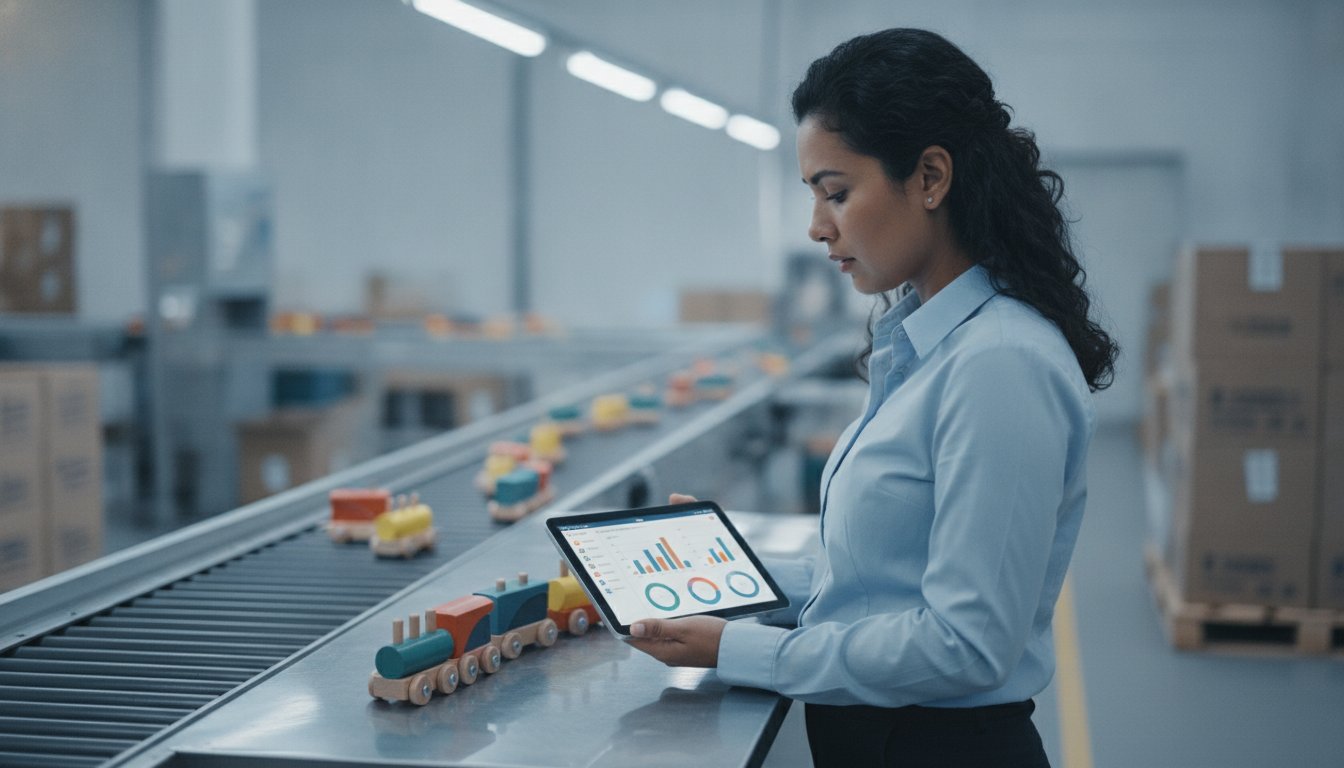
Managing multiple manufacturers across different regions is complex. We provide a centralized Quality Platform that allows you to track supplier performance, manage inspection reports, and identify trends in defect rates. This data-driven approach turns raw inspection results into actionable business intelligence. It allows you to identify which partners are scaling with you and which are becoming a liability.
Building a Risk-Proof Sourcing Strategy
Strategic supplier management requires moving beyond one-off transactions. You must view your supply chain as a living network that requires constant oversight. Vetting suppliers in Asia is a continuous cycle of verification, performance monitoring, and periodic re-auditing, rather than a single box to be checked. This proactive management prevents the "quality fade" that often occurs after the first few successful shipments. By maintaining a rigorous oversight schedule, you ensure that your brand reputation remains intact as you grow.
Secure your supply chain today. Contact our team to implement a professional vetting framework for your 2026 production cycle.
Securing Your 2026 Production Cycle
Success in international trade is built on the foundation of verified data. As manufacturing landscapes shift across China, India, and Southeast Asia, the process of vetting suppliers in Asia must be rigorous and continuous. Relying on digital profiles or unverified sourcing recommendations is a risk your brand can't afford. By implementing a multi-layered framework of legal verification, on-site factory audits, and performance tracking, you transform your supply chain from a source of anxiety into a strategic asset.
The Inspection Company provides the meticulous oversight needed to protect your capital. Our European management team and 700+ local inspectors are positioned in all major manufacturing hubs to bridge the cultural and geographic gap. We deliver comprehensive reports within 24 hours, providing the transparency required to make high-stakes decisions with certainty. Don't let a quality failure or a fraudulent supplier derail your growth.
Secure Your Supply Chain: Book a Professional Factory Audit
Taking proactive steps today ensures that your 2026 production remains on schedule and up to standard. We're ready to help you build a resilient, risk-free future for your business.
Frequently Asked Questions
What is the difference between a supplier audit and a product inspection?
A supplier audit evaluates the manufacturer's systems, capacity, and legal standing before you start production, while a product inspection verifies the actual quality of the goods. Audits focus on the facility to ensure it is capable of meeting your long-term standards. Inspections focus on the specific batch of goods to ensure the output matches your specifications. Both are essential components of vetting suppliers in Asia to ensure a secure supply chain.
Can I trust an Alibaba Gold Supplier without a third-party audit?
You shouldn't rely solely on a "Gold Supplier" status because it is a paid membership rather than a verified badge of quality or production capability. While it indicates the business is a registered legal entity, it doesn't guarantee they own the factory shown in their digital profile. Third-party audits are the only way to confirm that the production line, specialized machinery, and quality control systems actually exist and are operational.
How long does a professional factory audit in Asia take?
A professional on-site factory audit typically takes one full working day to complete. During this time, an inspector reviews business licenses, examines production lines, and audits the quality management system. Following the site visit, the final report is delivered within 24 hours. This rapid turnaround allows you to make informed decisions about your purchase orders without delaying your procurement timeline or risking your financial deposit.
What are the most common red flags when vetting a new supplier?
Common red flags include a supplier's refusal to allow an on-site audit or a mismatch between the company name on the business license and the bank account provided for payment. Other warnings include a lack of the specific machinery required for your product and poor material storage conditions. These indicators often suggest that the supplier is either a trading company or an unregulated workshop that will likely struggle with quality consistency.
How much does it cost to vet a supplier in China or Vietnam?
The cost of vetting suppliers in Asia depends on the factory's location, the complexity of the product, and the depth of the required audit. Factors such as the number of production lines to be reviewed and the proximity to major manufacturing hubs like Guangdong or Hai Phong influence the final investment. It's best to view these costs as a preventative investment that forestalls much larger financial losses from defective shipments or lost deposits.