A container arrives from Asia, the doors swing open, and the first thing you see is a collapsed pallet, crushed cartons and water stains running down the walls. For any importer, that moment is followed by a difficult question: who pays for this? The supplier says the goods left the factory in perfect condition. The freight forwarder points to the carrier. The carrier points to the packaging. Your insurer asks for proof. Without clear, independent evidence, a legitimate claim can stall for months or be rejected outright.
Transit damage claims are rarely lost because the damage is not real. They are lost because the importer cannot prove when, where and why the damage happened. This guide explains how professional importers document losses, build a claim file that adjusters and carriers take seriously, and use third-party inspection to turn a frustrating dispute into a recovered payment. It also shows how the same evidence drives long-term supply chain risk management and product quality improvement, so you are not fighting the same claim on the next shipment.
Why Transit Damage Claims Fail
Every cargo claim rests on a simple principle: the party making the claim carries the burden of proof. To recover money, you generally need to demonstrate three things:
- The goods were in good condition when they were handed over to the carrier or left the factory.
- The goods arrived damaged or short, and the extent of that damage can be measured and valued.
- The damage was caused by an event or failure that the responsible party (carrier, insurer or supplier) is liable for.
Most rejected claims break down on the first or third point. A Bill of Lading confirms the carrier received a sealed container, but it says very little about what was inside, how it was stacked, or whether the cartons were already weak. Photos taken on a phone by warehouse staff, without dates, context or measurements, are easy for a carrier or adjuster to dismiss. And if you cannot show whether damage came from rough handling, moisture ingress or inadequate packaging, every party involved has a convenient reason to deny responsibility.
That is why buyer risk avoidance in logistics starts long before the container is opened. Strong claims are built on an evidence chain that begins at the factory and ends at your receiving dock.
Step One: Know Who Carries the Risk
Before you can claim, you need to know who you are claiming against. Three frameworks determine this.
Incoterms and the Transfer of Risk
Your sales contract's Incoterm defines the point at which risk passes from seller to buyer. Under FOB, for example, risk transfers once the goods are loaded on board the vessel at the port of origin, so damage during the ocean voyage is the buyer's risk to insure and claim. Under CIF and CIP, the seller arranges insurance, but risk still passes to the buyer at origin; the buyer then claims against the seller's policy. Note that under Incoterms 2020, CIF only requires minimum cover (Institute Cargo Clauses C), while CIP requires all-risks cover (Clauses A). If you rely on CIF insurance for fragile goods, check the policy wording carefully. Our guide to Incoterms and their impact on risk and quality control covers this in more depth.
Cargo Insurance
Marine cargo insurance is usually the fastest route to recovery, because the insurer pays you and then pursues the carrier through subrogation. However, insurers will scrutinise whether the loss is covered, whether it resulted from an excluded cause (such as insufficient packaging or inherent vice), and whether you followed the notification and mitigation duties in your policy. Insufficient packaging is a common exclusion, which is exactly why proving the root cause matters.
Carrier Liability
Ocean and air carriers are liable for damage that occurs while goods are in their custody, but their liability is limited by international conventions and the terms of the transport document. For ocean freight under the Hague-Visby Rules, compensation is capped per package or per kilogram, and the claim is time-barred after one year. Notice requirements are strict: apparent damage should be noted at delivery, and concealed damage typically must be notified in writing within three days. Air cargo under the Montreal Convention has its own written notice windows, commonly 14 days from receipt for damage. Missing these deadlines can kill a claim regardless of how strong your evidence is.
Key point: If the cause of loss falls outside carrier liability or insurance cover, for instance poor packaging or goods that were already defective, your recovery path is usually the supplier. You cannot know which door to knock on until the root cause is established.
Step Two: Build the Evidence Chain Before Departure
The strongest transit damage claims are won at the factory. If you can show exactly what condition your goods were in when they were sealed into the container, any damage found at destination must have happened afterwards.
Pre-Shipment Inspection: Proving Product Condition
A pre-shipment inspection verifies that finished goods meet your specifications, using statistically valid AQL sampling based on ISO 2859 tables. The report documents product quality, quantity, carton markings, carton drop tests and packaging condition. In a claim context, it removes the supplier's ability to argue that defects you discover on arrival were "transit damage", and it removes the carrier's ability to argue the goods were defective from the start.
Container Loading Inspection: Proving Loading Condition
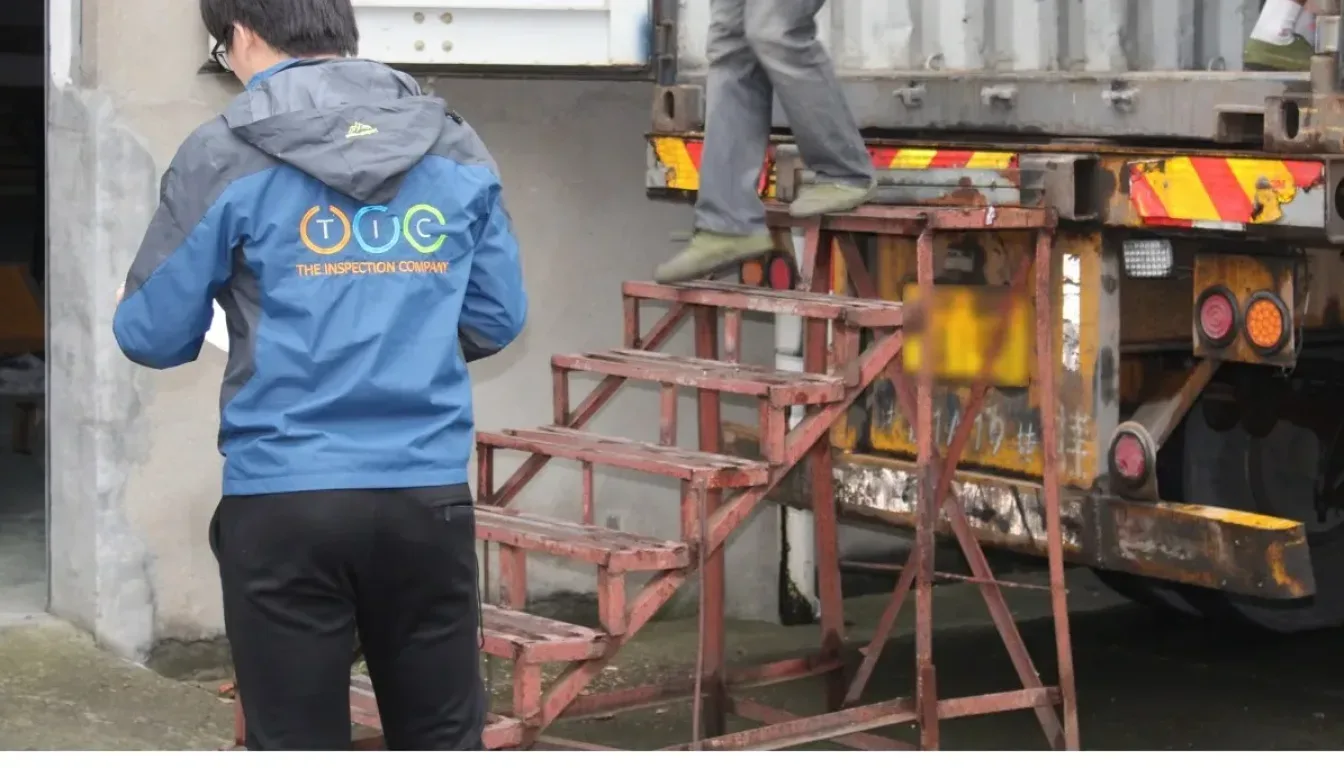
A product can pass every quality check and still arrive unsellable if it is loaded badly. A container loading inspection closes this gap. The inspector checks the container for holes, cracks, moisture and odours before loading, records weather and warehouse conditions, verifies quantity against the packing list, supervises stacking and securing, and witnesses the sealing of the doors. The container number and seal number are recorded with time-stamped photographs.
This record is extremely valuable when you claim. If the seal at destination matches the seal recorded at origin, and the loading photos show properly stacked, undamaged cartons, the damage almost certainly happened in transit. We explain the role of this documentation further in our article on cargo condition reports as an importer's shield against transit risk.
A Clean Bill of Lading
A clean Bill of Lading records that the carrier received the goods in apparent good order. If the carrier issues a claused B/L noting crushed cartons or inadequate packaging, your claim against the carrier is significantly weakened. Verifying goods and packaging before handover is the best way to secure a clean B/L. For more on this document, see our complete guide to the Bill of Lading.
Step Three: What to Do When Damaged Cargo Arrives
The first hours after delivery are critical. Actions taken (or not taken) at the receiving dock often decide whether a claim succeeds. Follow this sequence:
- Inspect before signing. Check the container seal number against the Bill of Lading and your loading report before the doors are opened. Look for external damage to the container itself: dents, holes, rust, or signs of water.
- Note exceptions on the delivery receipt. Never sign a delivery receipt "clean" if damage is visible. Write specific remarks such as "6 pallets collapsed, 40 cartons crushed, water staining on rear door side". Vague notes like "subject to inspection" carry little weight.
- Photograph everything in sequence. Capture the sealed doors, the seal itself, the cargo as first seen when the doors open, and each stage of unloading. Context matters as much as close-ups.
- Stop unloading if damage is severe. Preserve the scene so an independent surveyor or inspector can see the cargo as it arrived.
- Notify all parties in writing immediately. Send a formal notice of loss to the carrier, the freight forwarder, your insurer and, where relevant, the supplier. Respect the convention and policy deadlines.
- Keep damaged goods and packaging. Do not discard, rework or sell damaged stock until the claim is assessed. Carriers and insurers have the right to examine it.
- Mitigate further loss. Separate sound goods from damaged ones, move wet cargo to dry storage, and take reasonable steps to prevent the loss growing. Insurers expect this.
- Arrange an independent damage inspection. An unbiased third-party assessment carries far more weight than your own staff's account.
Step Four: Assemble a Claim File That Gets Paid
Adjusters and carrier claims departments process large volumes of files. A well-organised claim with complete supporting documents moves faster and is harder to reject. Your file should include the following:
Calculate your loss carefully. Include the invoice value of damaged units, a proportion of freight and duty paid on them, and documented costs of sorting, re-packing or disposal. Where goods can be salvaged or reworked, show the cost of doing so; insurers generally prefer to pay for rework over a total loss when it is economically sensible.
Step Five: Use an Independent Post-Shipment Damage Inspection
When damage is found at destination, the question "what happened?" needs a neutral, professional answer. A post-shipment damage inspection provides a documented, unbiased assessment of the goods on arrival, built specifically to support insurance claims and supplier disputes rather than simply to be filed away.
At The Inspection Company, our inspectors follow a structured seven-step process:
- Review of shipping documents, including the Bill of Lading, packing lists and any handling records, to understand the transit path and the initial condition of the goods.
- Visual inspection of external packaging, such as containers, pallets and boxes, for tears, dents, moisture exposure or evidence of mishandling.
- Inspection of the goods themselves, unboxing and examining units for physical damage and checking whether internal packaging failed to protect them.
- Identification of the damage cause, considering vibration, temperature, humidity, inadequate securing and mishandling during loading or unloading.
- Comparison with loading conditions, using the container loading report where available, to determine whether the damage occurred in transit or already existed at loading.
- Reporting and documentation, with high-resolution, time-stamped photos, measurements, quantity verification against shipping documents and an analysis of the likely root cause.
- Recommendations for improvement to packaging, handling and shipping processes so similar damage is avoided in future.
Because the report comes from an independent third party, it carries significantly more weight with insurers, carriers and suppliers than internal photos or statements. It shifts the conversation from opinion to evidence.
Step Six: Match the Root Cause to the Right Recovery Route
Once the cause is established, you can direct your claim to the party actually responsible. In practice, findings tend to fall into three categories:
- Transit or handling damage (impact, dropped containers, water ingress through a damaged container, improper handling at transhipment): claim against your cargo insurer, who will pursue the carrier, or claim directly against the carrier within the liability limits.
- Packaging failure (cartons below specification, missing inner protection, weak pallets, poor stacking by the factory): insurers often exclude this, but it is a strong basis for a claim against the supplier, especially if packaging requirements were written into your purchase order.
- Pre-existing defects (goods damaged or defective before loading): this is a supplier quality issue, not a transit claim. A pre-shipment inspection report is your best defence against a supplier attempting to relabel production defects as shipping damage.
Understanding the difference between quality verification at origin and condition verification at destination is essential here. Our article on pre-shipment vs. post-shipment inspection explains how the two work together.
Recovering Losses from Suppliers
When the evidence points to the factory, approach the conversation professionally and with data. Present the inspection report, reference the packaging specifications agreed in the purchase order, and propose a concrete remedy: credit against the next order, replacement goods, a reimbursed rework cost, or a revised packaging standard. Suppliers who value the relationship usually respond constructively when faced with clear, objective evidence. Our framework for negotiating with suppliers after a failed inspection applies equally well to packaging-related transit losses.
Step Seven: Turn Claims Data into Prevention
Getting paid is important, but the best outcome is not having to claim at all. Every damage report is a source of data for product quality improvement and supply chain risk management. Track recurring patterns across shipments:
- Are certain products or packaging formats consistently damaged?
- Does damage cluster on particular trade lanes, ports or carriers?
- Are moisture-related claims rising during monsoon or winter shipping seasons?
- Do some suppliers' shipments arrive in noticeably worse condition than others?
Use the findings to tighten packaging specifications, add carton drop and compression testing to inspections, require desiccants or container liners on humid routes, and make container loading inspection mandatory for high-value or fragile goods. Over time, this proactive quality assurance reduces claim frequency, lowers insurance premiums and protects your brand from late deliveries and empty shelves.
Why Importers Trust The Inspection Company
The Inspection Company has helped overseas buyers, buying offices and factories avoid buyer's risk and improve product quality for goods sourced from Asia since 2007. Our mission is straightforward: to give you independent, reliable evidence about your goods at every stage, so you can make confident decisions and protect your investment.
- European management and German QC standards. Our operations are led by European management and our inspections follow German quality control standards, with AQL sampling based on ISO 2859 tables. You can learn more about our commitment to quality standards.
- Coverage where you need it. With 685+ Asia-based inspectors and an on-the-ground presence in 25+ countries, including China, Vietnam, India, Bangladesh, Indonesia and Türkiye, we can cover factories at origin and support assessments across key markets.
- End-to-end evidence. From pre-production and pre-shipment inspection through container loading and post-shipment damage inspection, our reports form a consistent evidence chain that holds up in claims and disputes.
- Fast reporting. Reports are typically delivered within 24 hours of inspection, with time-stamped photographic evidence, so you can act before deadlines pass or vessels sail.
- Close client contact and flexible service. We work closely with each client, respond quickly, and tailor inspection scope to your products, risk profile and budget, whether you are a small e-commerce brand or a large retailer managing dozens of suppliers.
Professional third-party inspection protects more than a single shipment. It safeguards your cash flow, supports compliance with destination-market requirements, and preserves the brand reputation you have worked hard to build.
Facing damaged cargo, or want to make sure your next shipment is fully protected before it leaves Asia? Contact The Inspection Company today to discuss a tailored inspection plan, from container loading supervision at origin to independent damage assessment on arrival, and get the evidence you need to protect your goods and get paid.
Frequently Asked Questions
How quickly do I need to report transit damage?
Immediately. Note visible damage on the delivery receipt and send written notice to the carrier and insurer without delay. Under the Hague-Visby Rules, concealed ocean damage should typically be notified within three days, and air cargo damage under the Montreal Convention generally within 14 days. Always check your insurance policy for its own notice requirements.
Can I claim if I signed the delivery receipt without noting damage?
It is still possible, but much harder. A clean delivery receipt is treated as evidence that the goods arrived in good condition, so you will need strong independent proof, such as a professional damage inspection report and loading evidence, to show the damage existed at delivery.
What is the difference between a container loading inspection and a post-shipment damage inspection?
A container loading inspection takes place at origin and documents the container condition, loading method, quantity and seal before departure. A post-shipment damage inspection takes place after arrival and assesses the extent and likely cause of any damage. Used together, they show exactly when and where damage occurred.
Will my insurer pay if the damage was caused by poor packaging?
Often not. Many cargo policies exclude loss caused by insufficient or unsuitable packaging. In that case, an independent inspection report identifying packaging failure gives you a solid basis to recover the loss from your supplier instead.
Who should pay for the damage inspection?
The importer usually commissions and pays for the inspection so the inspector remains independent and works exclusively in the buyer's interest. In many cases, reasonable survey and inspection costs can be included in the insurance or supplier claim.
Do I need to keep the damaged goods?
Yes. Keep damaged goods and packaging until the carrier, insurer or supplier has had the opportunity to examine them, or until they confirm in writing that disposal is acceptable. Discarding evidence early can lead to a reduced or rejected claim.